November in Aracena: Mushrooms, Mosto and Autumn Traditions
November in Aracena: Mushrooms, Mosto and Autumn Traditions
November in the Sierra de Aracena is shaped by woodland fungi, chestnut country and village food traditions. This visitor guide focuses on the November 2026 Jornadas Micológicas, with confirmed dates, safety advice, and practical plans for the rest of the month.
“November Rain” is not just a great song. In the Sierra de Aracena, it describes a month shaped by some of the year’s heaviest rainfall.
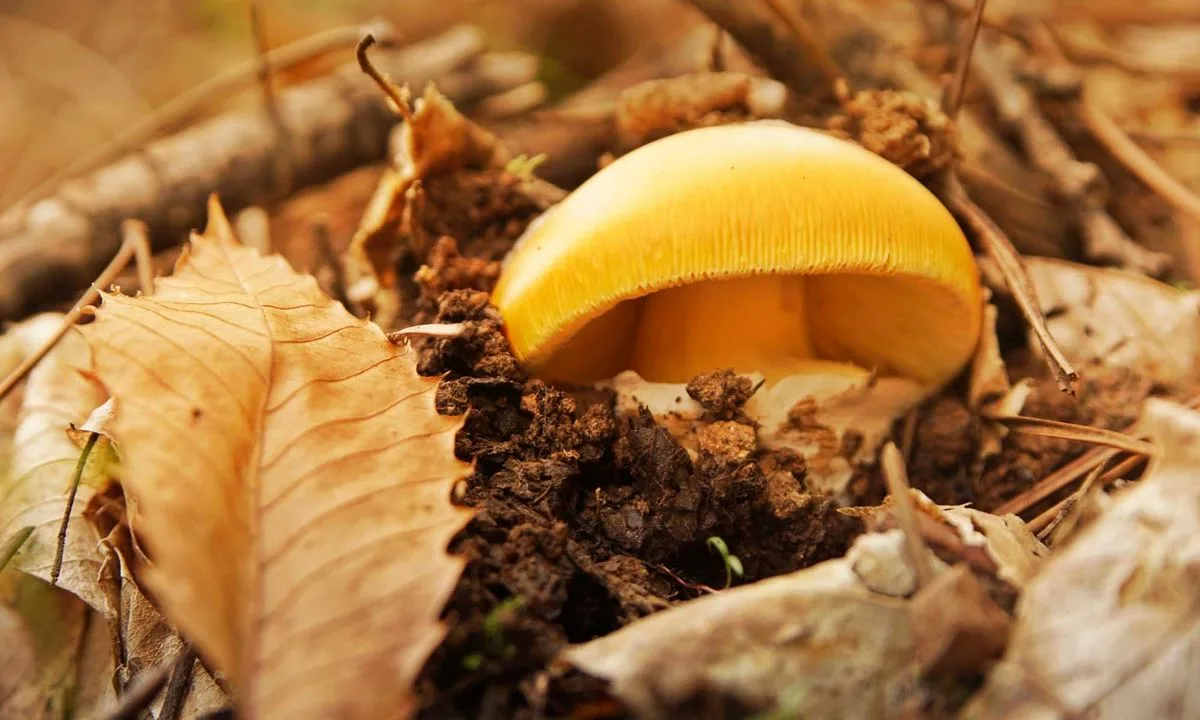
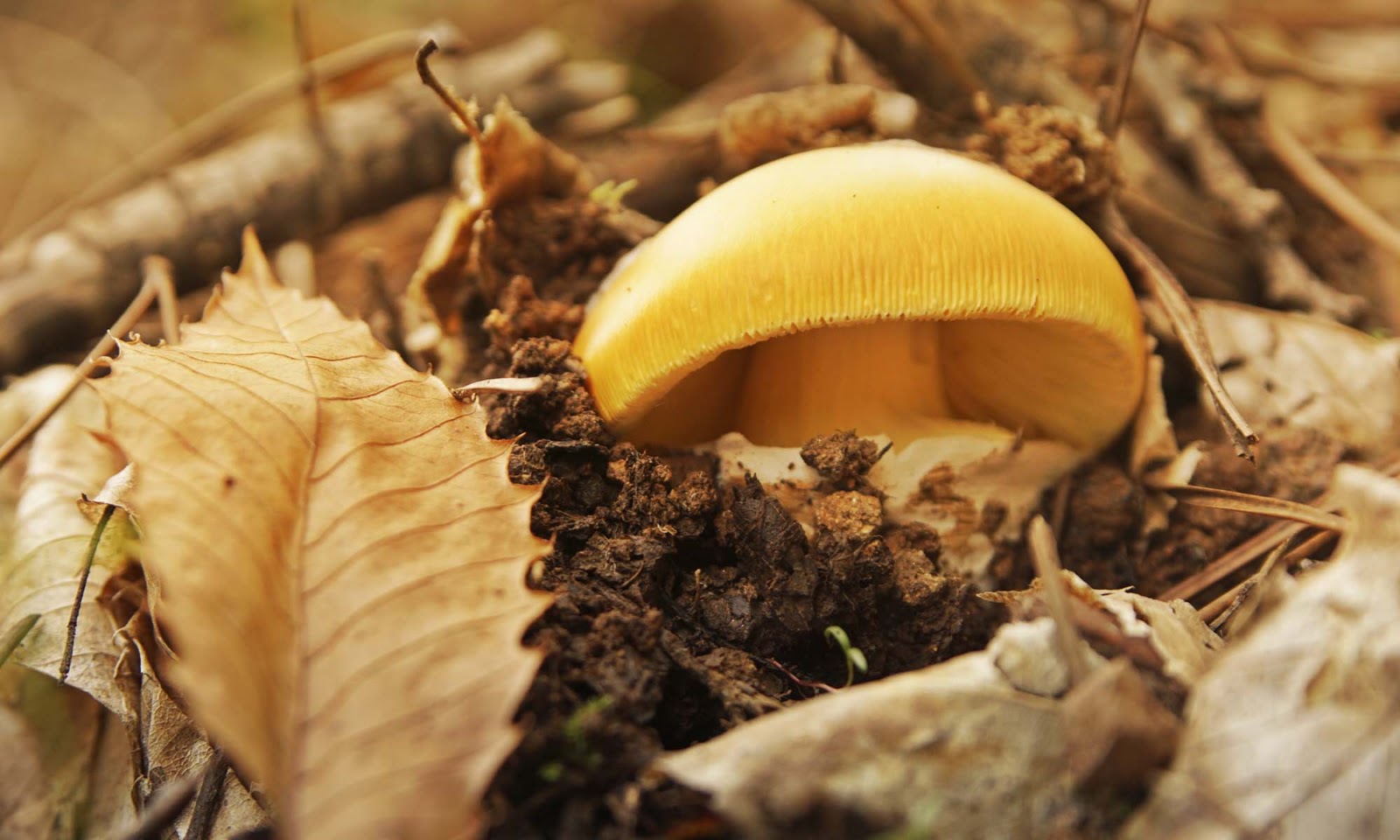
If the seasonal climate behaves as expected, water returns depth to the landscape. Tree trunks darken after a downpour and fallen leaves cling to woodland paths. Mushrooms begin pushing through the damp ground as though they have popped up to say hello.
This is the month when local knowledge becomes particularly valuable. An experienced eye can distinguish dinner from danger and recognise a species most walkers would pass without noticing. During the Jornadas Micológicas de Aracena, held on November 7th and 8th, 2026, expert mycologists show visitors where to look and explain what the woodland has produced.
There are plenty of other reasons to visit in November. Castañuelo pours its young wine during the Fiesta del Mosto, and great pans of migas appear in Carboneras and Jabuguillo. The chestnut harvest continues across the Sierra, bringing another of the season’s defining flavours into local shops and kitchens. You can spend an evening at the theatre in Aracena or wait for a clear night and use our new stargazing guide to explore what appears above the trees.
November 2026 at a Glance
These are the principal dates currently listed for Aracena and the surrounding Sierra. Detailed programmes for smaller events often appear close to the day, so use our events calendar alongside the relevant council or organiser before travelling.
- November 1st — All Saints’ Day: A public holiday observed across Spain, with families visiting cemeteries and remembering relatives who have died.
- November 1st — Don Juan Tenorio Night: Aracena marks the date traditionally associated with José Zorrilla’s famous play.
- Throughout November — Chestnut harvest: The groves around towns including Fuenteheridos, Galaroza, and Castaño del Robledo remain busy, although they are working agricultural land rather than public picking grounds.
- November 7th — Guitón Onofre: Pepe Viyuela and El Vodevil perform at the Teatro Sierra de Aracena.
- November 7th–8th — Jornadas Micológicas de Aracena: Aracena’s annual weekend devoted to mushroom identification, woodland learning, and mycological culture.
- November 11th–14th — CUEVATUR: The Spanish Congress of Tourist Caves and Mines comes to Aracena for its tenth edition.
- November 13th and 27th — Otoño Literario: Two Friday evenings of books and conversation at Aracena’s municipal library.
- November 14th — Fiesta del Mosto: Castañuelo celebrates the year’s young wine.
- November 14th–20th — Ten Miles of the Camino del Rebollar: A week connected to one of Aracena’s established sporting routes.
- November 21st — Santa Cecilia Concert: Aracena’s municipal band honours the patron saint of music.
- November 21st — Migas in Carboneras: A communal food day in one of Aracena’s small rural villages.
- November 21st–22nd — Encuentros Micológicos: Las Veredas, within the municipality of Almonaster la Real, holds its own mushroom gathering.
- November 23rd–29th — Making the rehiletes: Preparations begin for one of the Sierra’s most distinctive December traditions.
- November 28th — Migas in Jabuguillo: Another village gathering built around a deeply practical cold-weather dish.
- November 28th — La Desconquista: Ron Lalá performs at the Teatro Sierra de Aracena.
- November 28th–29th — Feria del Mosto: Los Marines dedicates a weekend to young wine, local food and regional producers.
The Heart of November: Jornadas Micológicas de Aracena
A jornada micológica is a gathering devoted to the study of fungi. That may sound like an event arranged exclusively for people who already own a field guide and know their Boletus from their Amanita, but you do not need any previous knowledge to find it interesting. Mushrooms are closely tied to the Sierra’s woodland, its traditional cooking and the way people have used the land for generations. Learning about them gives you another way to understand the place you have come to visit.
Experienced mycologists lead the weekend and share the kind of knowledge that cannot be gathered from a quick photograph or identification app. Two mushrooms may look almost identical at first glance, yet the underside of the cap can tell a completely different story. The surrounding trees, once identified, often offer another clue. Each species has its own peculiarities, uses and role within the woodland, and an expert can show you details that would otherwise remain hidden beneath your feet.
Families can make the experience even more engaging by bringing a small notebook or sketchbook. Children can draw the different shapes they discover, write down unusual names, or create a scavenger hunt based on colours and woodland habitats. The aim is not to collect everything they find. It is to learn how much can be discovered simply by looking more carefully.
The Sociedad Micológica Amanita has organised these gatherings for decades, helping residents and visitors understand the extraordinary fungal life of the Sierra.
Why Mushrooms Flourish Here
The Sierra de Aracena is far greener than many visitors expect from Andalucía. Atlantic weather brings more rain to these hills, and temperatures begin to fall as autumn advances. After the long summer drought, moisture returns to soil that is still holding some warmth. When enough rainy days are followed by the right temperatures, fungi produce mushrooms.
What appears above ground is only the visible fruiting body of a much larger organism. Think of the mushroom as the apple rather than the tree. Its main body is the mycelium: a mass of extremely fine fungal threads spreading through the soil, leaf litter, or decaying wood. Through these threads, fungi move nutrients and respond to chemical signals in their surroundings. Scientists are still discovering how much information passes through these networks, but it is fascinating to imagine the exchanges taking place within an apparently silent woodland. The mycelium may remain there long after the mushroom itself has collapsed.
Some fungi feed by breaking down fallen leaves and dead wood, returning their nutrients to the soil. Others form a partnership with living trees known as mycorrhiza. The fungal threads connect with the roots and receive sugars made by the tree. In return, they extend the tree’s reach through the soil, improving its access to water and nutrients. An entire exchange is taking place beneath your boots without disturbing the surface.
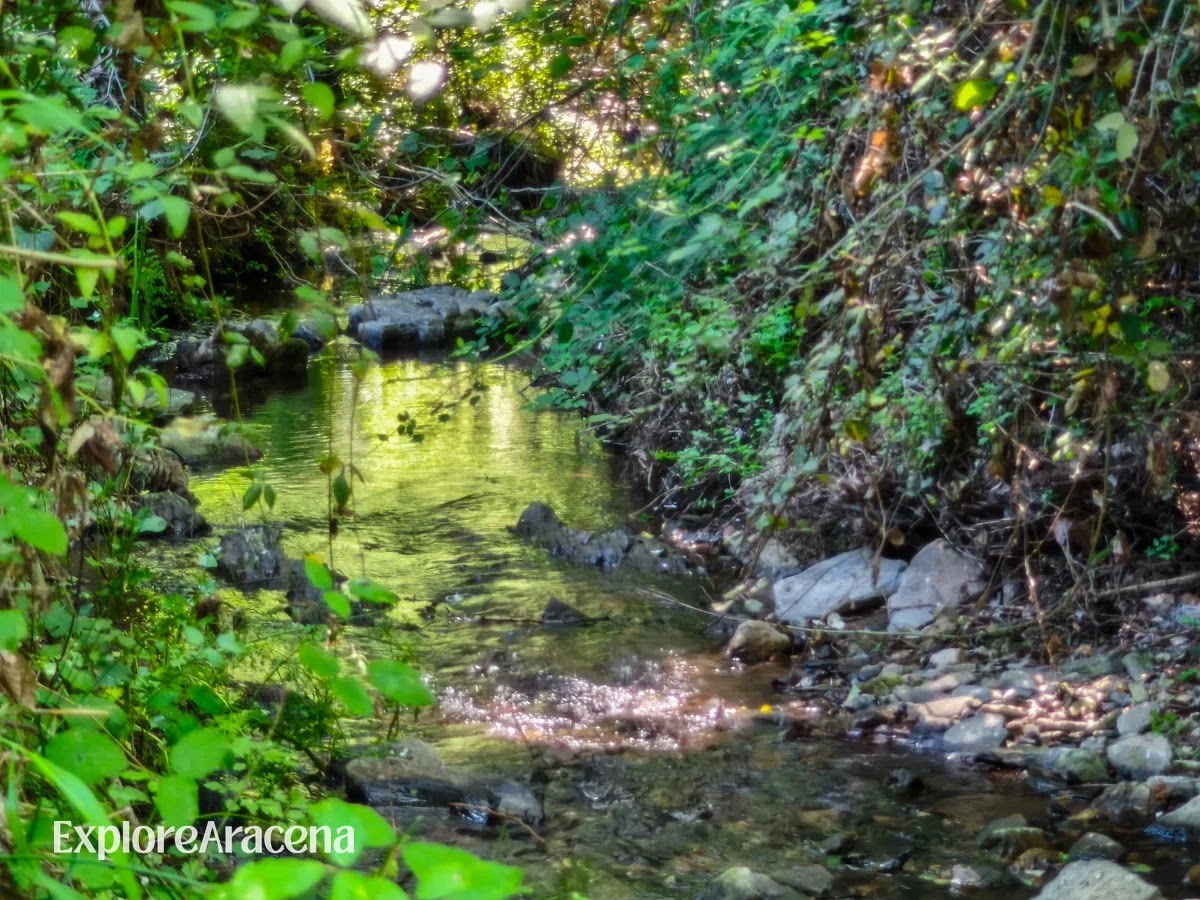
The trees around a mushroom can therefore offer valuable clues to its identity. Tanas and tentullos are closely associated with the Sierra’s chestnuts and oaks, while other species favour pine woodland, pasture, or the damper ground beside streams. Once an expert teaches you to consider the habitat as well as the mushroom, the woodland begins to look far more connected.
No two mushroom seasons unfold in quite the same way. Autumn rain may arrive early or several weeks late. A spell of mild weather can encourage growth, while dry wind or a sudden drop in temperature can interrupt it. The jornadas take place at the point in the year when conditions are usually favourable, but what appears will always depend on the particular sequence of weather that came before.
A Few Sierra Names You May Hear
Scientific names matter because local vocabulary can change between villages. Still, learning the names used around the Sierra opens a small window into its food culture.
- Tana — Amanita caesarea: An orange-capped mushroom closely associated with oak and chestnut woodland. It is one of the Sierra’s most prized autumn species.
- Tentullo — commonly Boletus aereus: A dark-capped bolete found around cork oaks, holm oaks and chestnuts. Its firm flesh has made it a favourite in local kitchens.
- Gallipierno — Macrolepiota procera: A tall parasol mushroom with a broad, patterned cap.
- Pinatel or níscalo — Lactarius deliciosus: An orange-toned species commonly associated with pine.
- Gurumelo — Amanita ponderosa: One of western Andalucía’s most celebrated mushrooms, but mainly a late-winter and spring species. November is not its usual moment.
Treat those names as cultural introductions rather than identification instructions. Members of the same genus can differ dramatically in toxicity, and a familiar colour or cap shape is never enough to make something safe to eat.
For a broader introduction to the season, our guide to mushrooms and autumn in the Sierra de Aracena explains how rain, woodland, and local food come together during these months.
What Happens During the Weekend?
The jornadas traditionally begin outdoors. Participants gather with leaders who understand the Sierra’s species and habitats before setting out to explore the woodland.
This is not an ordinary hike with a destination waiting at the end. Expect plenty of stopping and starting. The purpose is to keep your eyes open for reasons to pause, ask questions, and piece together the clues surrounding each discovery. A mushroom’s appearance provides only part of the answer. Its position in the soil and the vegetation growing nearby can be equally important.
One of the most engaging parts of the experience is seeing how intricate the woodland is. During a typical hike, you may barely register the leaves crushing beneath your feet. Here, what lies beneath them is the whole point, and the forest floor becomes part of the investigation.
You do not need to arrive as a mushroom enthusiast to enjoy the experience. For anyone who loves nature, it is a chance to connect with the woodland by learning more about what grows there. The hands-on nature of the outing has a habit of inspiring greater curiosity about everything growing around you.
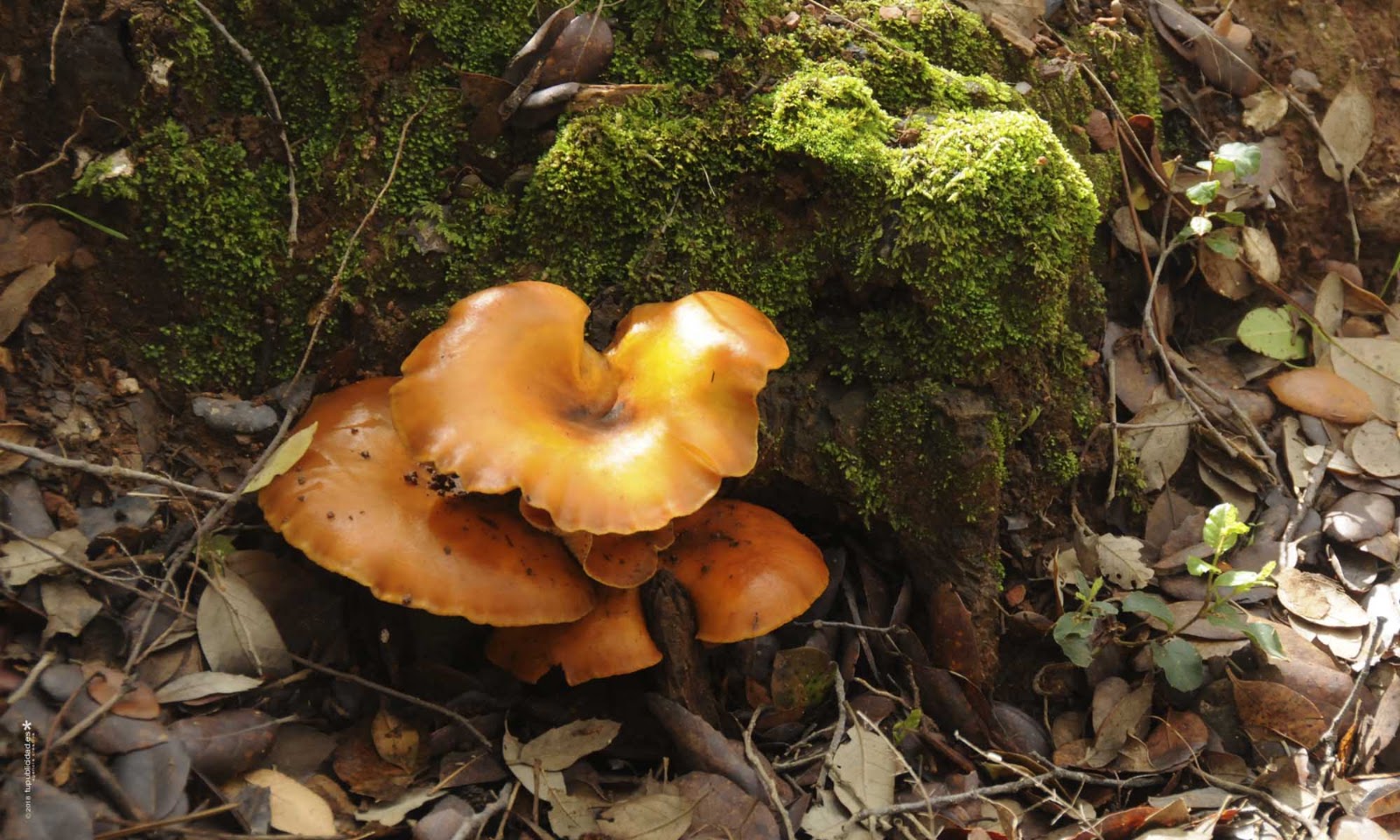
In previous editions, collected specimens have later been identified and arranged for public viewing. Seen together, they demonstrate how much variety sits beneath the single word mushroom. Mushroom caps alone come with a treasure chest of descriptive possibilities. They can be smooth or scaly, softly rounded or shaped by deep ridges and unusual folds. Look more closely, especially underneath, and the distinctions multiply. You may find delicate gills, sponge-like pores, or even tiny tooth-shaped structures, each one offering another clue to the species in front of you.
Talks and identification sessions bring the science into greater detail. After learning a little about mycelium, tree partnerships, and seasonal conditions, you may find yourself arriving with better questions than you expected. We particularly recommend visiting the exhibition if it returns in 2026; seeing many species together makes their differences far easier to recognise.
The precise 2026 programme is still to come, including meeting points and registration details. Keep an eye on the Aracena Town Council and our events calendar, where we will share the latest information once it is announced.
What to Bring
Field activities can involve wet vegetation, mud, and long periods spent standing outdoors. Dress for the woodland and weather.
Bring:
- Waterproof walking shoes or boots with reliable grip
- A light waterproof jacket
- Water and a small snack
- A notebook for names and observations
- A charged phone or camera for photographs
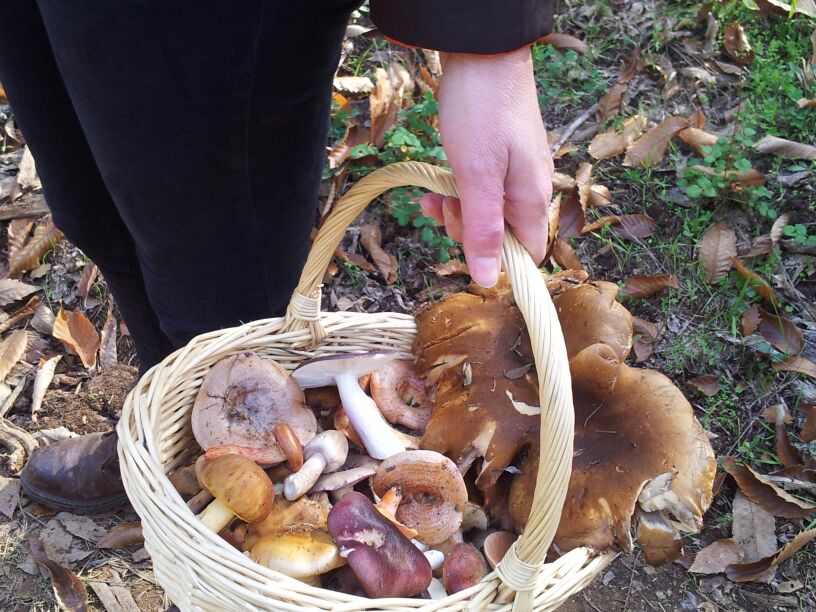
- A basket only when the organisers request or permit one
We would also carry a spare pair of socks in the car. They occupy almost no room and can rescue the rest of your afternoon after one badly judged puddle.
Do not arrive with plastic bags for collected mushrooms. They trap moisture and compress delicate specimens, making them deteriorate quickly and complicating identification. Follow the equipment guidance given by the organisers for the current outing.
Look Closely; Eat Carefully
A guided mycology weekend can sharpen your eye, but identifying what is safe to eat requires far more experience than a single weekend can provide.
Wild mushrooms should never be eaten because an app, photograph, or stranger online supplied a convincing name. Toxic species can closely resemble edible ones. Age, weather, and damage may also obscure the characteristics used by experts.
The Spanish Agency for Food Safety and Nutrition advises eating only species identified with complete certainty. The Junta de Andalucía also publishes guidance for responsible mushroom collection, including the importance of leaving immature, damaged, or overly mature specimens in place.
Land access matters as well. Many attractive groves are private or actively farmed. Stay on public routes unless the event has arranged permission, close livestock gates behind you, and never assume that an unfenced patch of woodland is available for collection.
The safest way to enjoy mushrooms is often waiting back in town. In November, restaurants may serve mushrooms in revueltos, stews, sauces, and rice dishes. Our guide to restaurants in Aracena will help you find somewhere to continue the lesson over lunch.
More Mushroom Country: Las Veredas
Aracena is not the only Sierra community to devote a November weekend to fungi. The Encuentros Micológicos de Las Veredas, in the municipality of Almonaster la Real, are expected on November 21st and 22nd, 2026.
Las Veredas is a small rural settlement surrounded by the kind of woodland that makes mycology feel inseparable from everyday life. Its gathering usually combines learning, food and time outdoors on a more intimate scale than Aracena’s event.
Confirm the current programme through Almonaster la Real Tourism before making the journey. If you extend the visit to the main village, the hilltop mosque adds an entirely different layer to the day and deserves more than a hurried photograph between events.
Mosto Season in Castañuelo and Los Marines
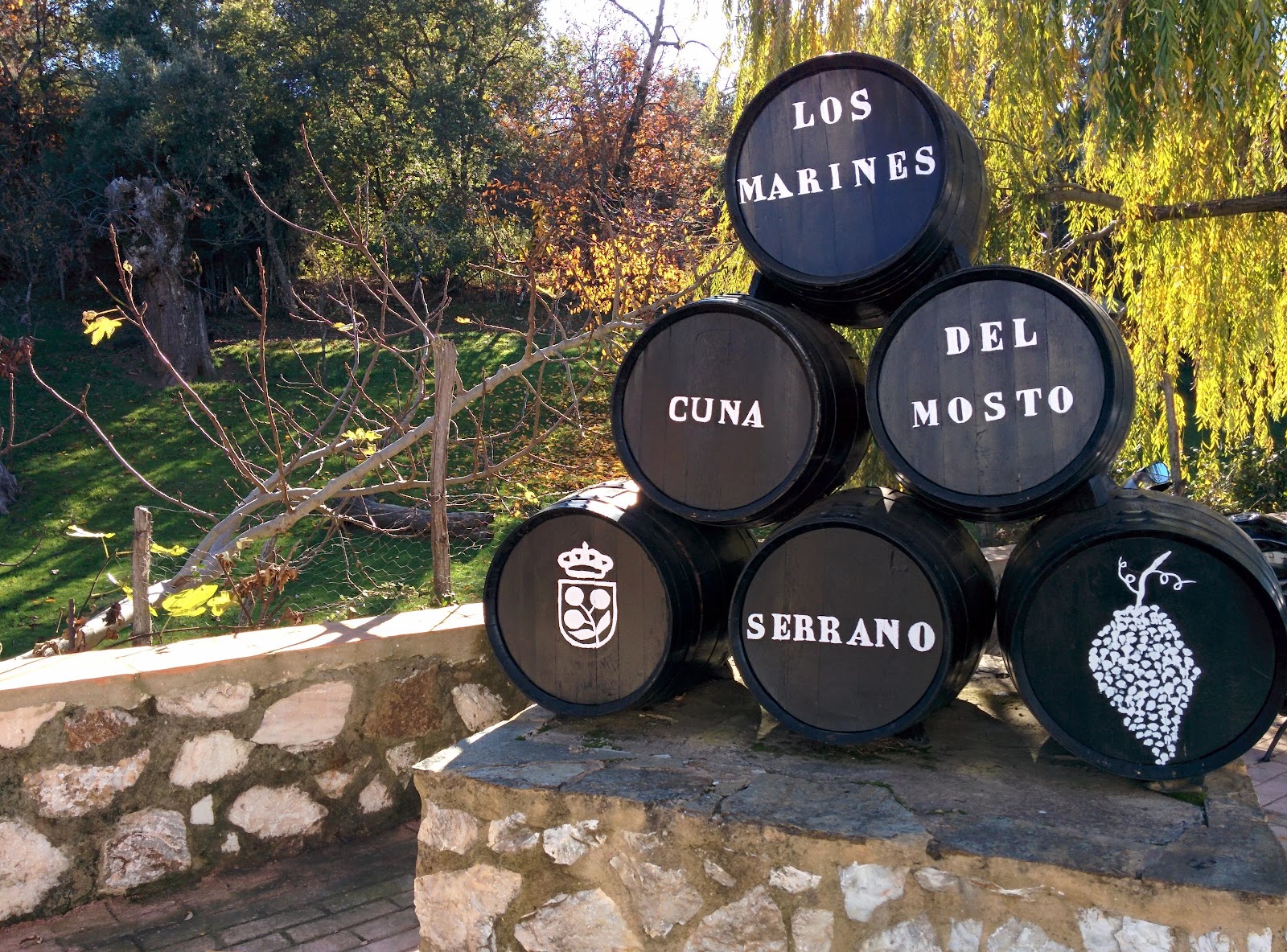
November also brings the first pours of mosto. In this part of Andalucía, the name is used for young wine, freshly made from the latest grape harvest. English speakers may know must as unfermented grape juice, so it is worth understanding the local meaning before accepting a glass.
Mosto has had very little time to develop. What you taste is closely tied to that particular harvest, shaped by the weather and grapes of the year rather than a long period of ageing. Each autumn brings its own version.
Fiesta del Mosto in Castañuelo — November 14th
Castañuelo is a small village belonging to the municipality of Aracena. Its Fiesta del Mosto brings the local harvest into a social setting, with food and conversation carrying the day well beyond the contents of the glass.
This is a community celebration in a small place, so confirm parking, timings, and any food arrangements through the Aracena municipal calendar.
Feria del Mosto in Los Marines — November 28th–29th
The month closes with another young-wine weekend in Los Marines. Its Feria del Mosto traditionally brings local wine together with regional food, crafts, and natural products.
Los Marines is a short drive from Aracena, so you can easily visit for the Feria del Mosto. Arrive early enough to wander through the village first. Orchards and chestnut groves begin almost where its streets end, giving you a sense of the countryside that produced what you are about to taste.
Check the final programme through the Los Marines Town Council. If somebody else is driving, mosto tastes considerably better without a debate over who has to take the keys afterwards.
Migas in Carboneras and Jabuguillo
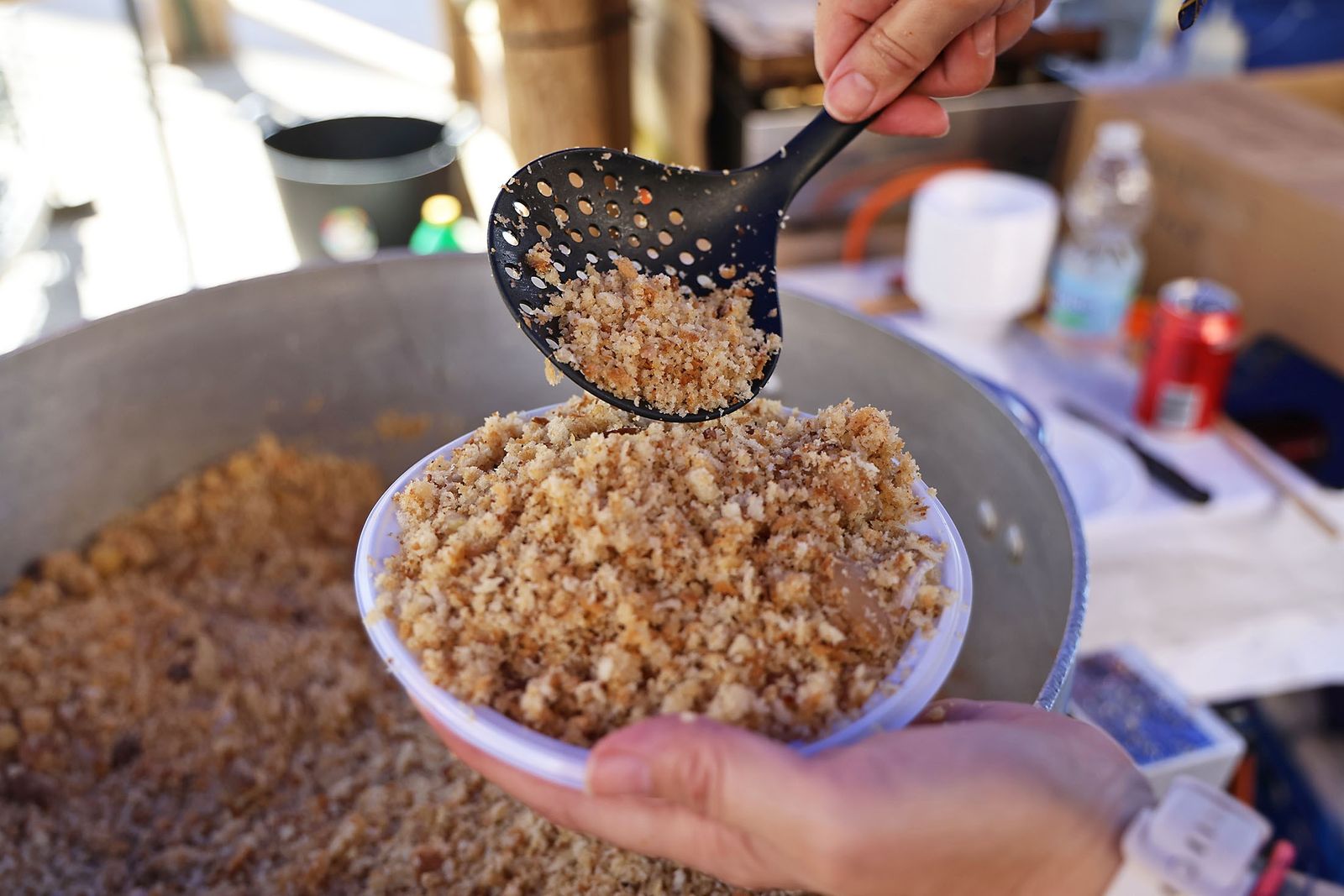
Migas originated as an economical way to use stale bread. The bread is crumbled and cooked with olive oil and garlic, with additional ingredients depending on the region and the household. Sierra recipes tend to be substantial, which helps explain their popularity during the colder months.
Carboneras holds its migas celebration on November 21st, followed by Jabuguillo on November 28th. Both events offer visitors a chance to try a traditional dish in the small villages where recipes such as this remain part of communal life.
Confirm the serving time and whether you need a ticket before setting out. Migas are prepared in limited quantities, and late arrivals may find that the pans are already empty.
Music, Theatre, and Books in Aracena
November also brings theatre, live music, and literary events to Aracena.
On November 7th, Pepe Viyuela and El Vodevil bring Guitón Onofre to the Teatro Sierra de Aracena. The seventeenth-century picaresque character arrives on the same weekend as the mushroom jornadas, giving you the unusual possibility of spending the morning studying fungi and the evening at the theatre.
Later in the month, the municipal band celebrates Santa Cecilia, the patron saint of music, with its annual concert on November 21st. Aracena has a strong musical calendar throughout the year, and this concert belongs as much to the town as it does to the stage. Check current ticket and programme information through the Aracena Town Council’s cultural programme.
Book lovers should also look for Otoño Literario, Aracena’s autumn literary programme. It brings writers and readers together at the Biblioteca Pública Municipal José Andrés Vázquez for evenings devoted to new books and conversation. The November sessions begin at 20:00: Alberto Rubio presents Old England House on November 13th, followed by Antonio Campos with El orden exacto de la hierba on November 27th. The Aracena Town Council’s cultural announcement carries the wider programme.
On November 28th, Ron Lalá brings La Desconquista to the Teatro Sierra de Aracena. The performance begins at 20:30, and current ticket information should be confirmed through the theatre programme.
CUEVATUR Brings the Underground World to Aracena
From November 11th to 14th, Aracena hosts the tenth edition of CUEVATUR, the Spanish Congress of Tourist Caves and Mines.
CUEVATUR brings researchers, cave managers, and specialists in underground tourism to Aracena for a professional programme of talks and technical discussions. Visitors will not encounter the atmosphere of a town festival, but the congress is still worth knowing about. Aracena’s history as a tourist destination is inseparable from the Gruta de las Maravillas, making the town a particularly fitting host.
Rooms may become harder to find during the congress, and cave tickets need advance planning. If the subject fascinates you, check the official CUEVATUR programme for any exhibitions or sessions available to the wider public.
Chestnut Season Continues
Chestnuts are among November’s defining foods in the Sierra, though visitors will see only part of the work behind the harvest. The groves surrounding Fuenteheridos, Galaroza, Castaño del Robledo and Los Marines are productive farmland. By this point in autumn, the spiked outer cases have split open and the chestnuts are ready to gather.
It can be tempting to collect a few while walking, especially when they have fallen beside the road. Unless you have the landowner’s permission, leave them where they are. You can support the harvest properly by buying chestnuts from local shops or ordering seasonal dishes that make use of them.
Public footpaths still offer a beautiful way to see the chestnut country in autumn. November rain, however, changes the condition of the trails. Leaves cover loose stones and slopes become slippery, so allow more time than the distance alone might suggest. Our Sierra de Aracena hiking guide will help you choose a walk suited to the weather.
The Rehiletes Begin Before December
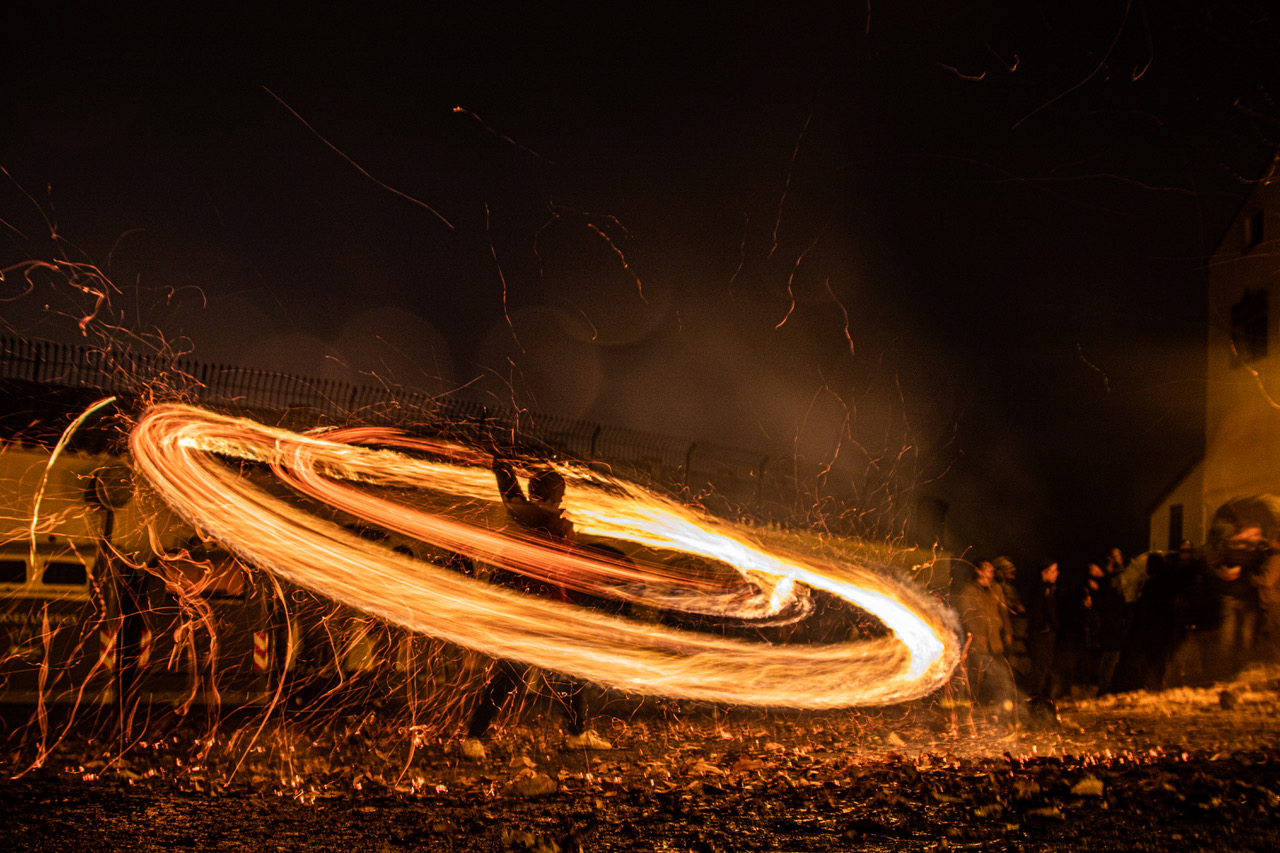
The rehiletes are best known for the night of December 7th, when they are set alight and spun through the air in Aracena and several nearby communities. Preparing them takes time, and the work begins during the final weeks of November.
The municipal calendar sets aside November 23rd–29th for making the rehiletes. Dry chestnut leaves are gathered and threaded tightly onto a slender olive branch, forming a ristra traditionally secured with a chestnut at the end.
If you visit during this period, you may see people preparing for a celebration that is still more than a week away. These workshops are also where the knowledge involved in making a rehilete is shared, often with younger generations learning directly from relatives and neighbours. Watching that process gives you useful context for the fire celebrations to come.
When You Need a Day Without an Event
You do not need to build your entire November trip around the events calendar.
Look Up After Dark
The Sierra forms part of the Sierra Morena Starlight Reserve. November brings longer nights, and a clear evening can reveal far more than you will see beneath an urban sky.
Our guide to stargazing in the Sierra de Aracena covers the best viewpoints, telescope experiences and practical advice for spending time outside after dark. Bring a warm layer. A pleasant afternoon can become a very different temperature once you are standing still beneath an open sky.
Make Cheese at Monte Robledo
If rain makes the woodland unappealing, a farm experience gives you another way to understand Sierra food. At Monte Robledo, you can meet the goats and learn how their milk becomes cheese through a practical workshop.
November suits the experience particularly well. You remain connected to the countryside without committing the whole day to a muddy trail, and the cheese you take home gives the trip a conclusion several weeks later.
Begin with a Proper Breakfast
Cooler mornings make hot coffee and toasted bread especially persuasive. Our guide to breakfast in Aracena explains the tostadas, churros and traditional bars that can prepare you for a day outside.
Breakfast is also easier than attempting to find an open café beside a remote trail at the exact moment you become hungry.
Planning a November Visit
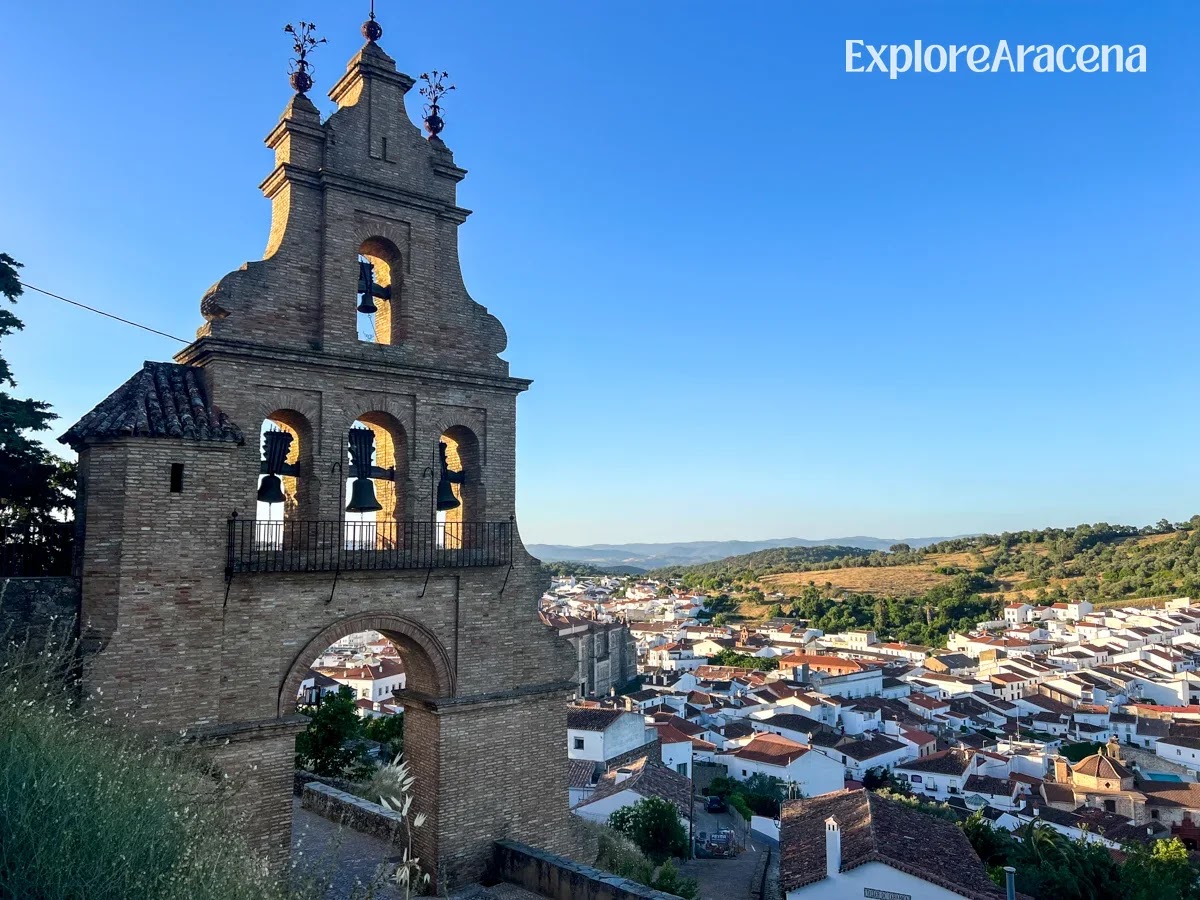
Aracena is the most practical base for this month’s larger events. It gives you the widest choice of accommodation and restaurants, alongside shops and visitor services. Our complete Aracena guide will help you organise the town around whichever November date brought you here.
A few preparations will make the trip considerably easier:
- Reserve accommodation early for the mushroom weekend and CUEVATUR.
- Book the Gruta separately; congress registration does not include an ordinary cave ticket.
- Bring waterproof footwear and clothing that can cope with mud.
- Begin woodland walks early enough to finish before the light disappears.
- Confirm village food events before driving out, including ticket arrangements.
- Check restaurant opening days and reserve if you have chosen somewhere specific.
- Download maps before leaving town, as mobile coverage can weaken in the valleys.
- Never build a mushroom meal around your own unverified identification.
If you are travelling from Seville or Huelva, our guide to getting to Aracena explains the journey. A car is particularly useful for Castañuelo, Carboneras, Jabuguillo, Los Marines and Las Veredas. Travellers relying on buses should read our honest guide to visiting Aracena without a car before committing to evening or village events.
FAQ
Do I need to register for the Jornadas Micológicas?
The complete 2026 arrangements have not yet been published. Exhibitions or talks may be open to the public, while guided field activities can have limited capacity. Check the final programme before assuming you can join on arrival.
Can children attend?
Public exhibitions can be fascinating for children who enjoy nature. Whether the woodland outing suits them will depend on its length, terrain and current age guidance. Keep young children beside you and do not allow them to taste or handle unidentified mushrooms.
Can I collect mushrooms independently?
Only where access and local regulations allow it. Much of the countryside is privately owned, and some fungi are protected. Joining an expert-led outing is the most responsible introduction.
What happens if the autumn has been dry?
Fewer fruiting bodies may appear above ground, and organisers may adjust the field activity. Talks, identification lessons and exhibitions can still make the weekend worthwhile.
Does mosto contain alcohol?
Usually, yes. In the Sierra’s autumn festivals, mosto commonly refers to young wine. Ask before drinking if you are driving or avoiding alcohol.
Is November a good time for walking?
Yes, provided you plan for shorter days and changing ground conditions. The woodland is richly coloured, temperatures are generally more comfortable and rain restores water to streams. Mud and wet leaves deserve sensible footwear.
November Belongs to the Curious
November asks you to look more closely.
A mushroom half-concealed beneath a leaf may hold up an entire walk. In Castañuelo, wine that has barely begun its life draws people around the same table. Bread once saved from waste becomes the reason two villages gather around steaming pans of migas.
We love the Sierra at this point in the year because nothing feels staged for the season. The woodland is doing what autumn requires of it, and village calendars follow the work already happening around them.
Come with waterproof shoes and a willingness to learn a few unfamiliar names. Leave space for weather, appetite, and local advice to alter the plan.
This is November in the Sierra: the land produces, and its communities gather around what it gives them.