Where to Go Stargazing in the Sierra de Aracena: Viewpoints, Tours and Nighttime Experiences
Where to Go Stargazing in the Sierra de Aracena: Viewpoints, Tours and Nighttime Experiences
The Sierra de Aracena’s dark skies make a memorable setting for an evening beneath the stars, from Peña de Arias Montano to guided telescope sessions and castle viewpoints. Here is how to choose a location, read the Moon and weather, stay safe after dark, and protect the night landscape.
Where to Go Stargazing in the Sierra de Aracena
The night sky in the Sierra de Aracena is a stargazer’s dream.
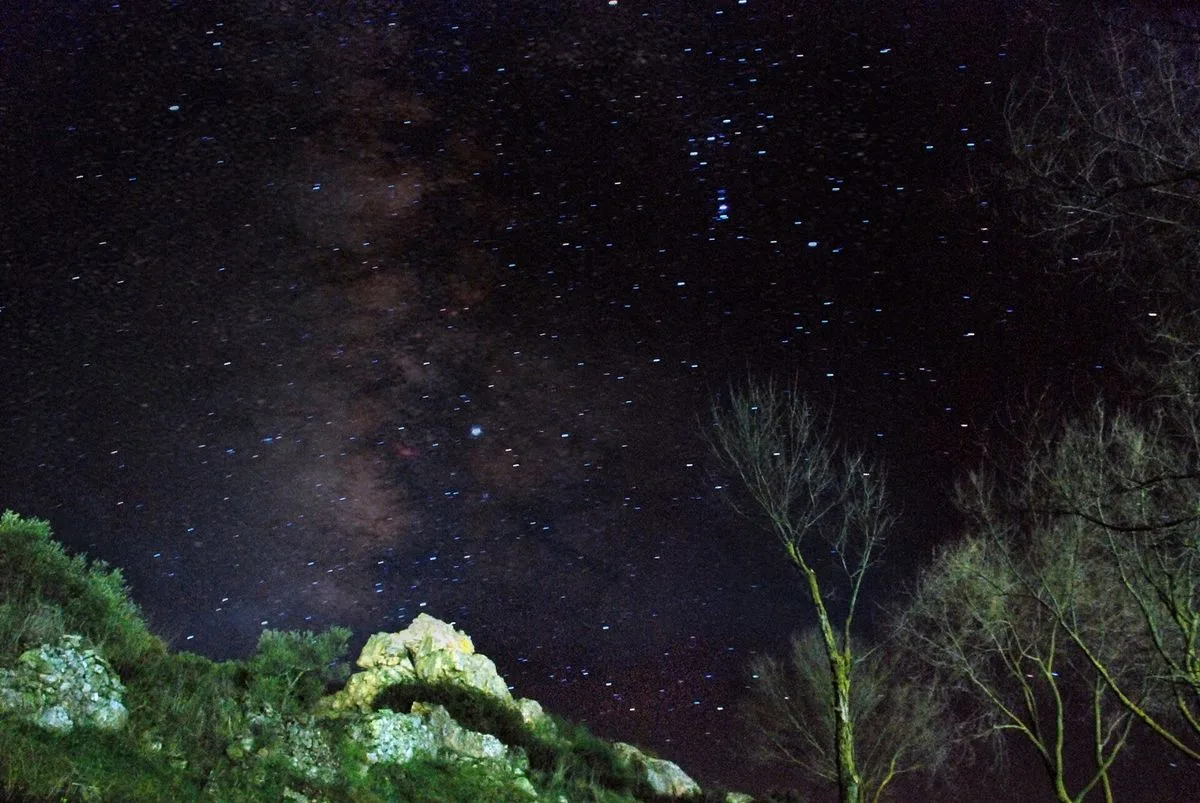
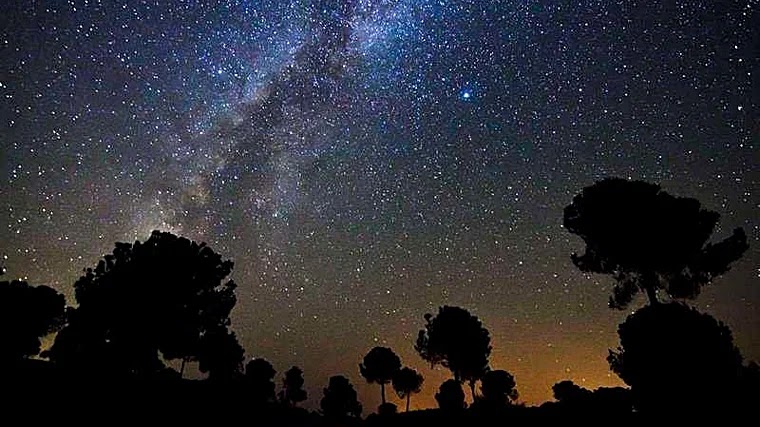
On a clear, moonless night, the Milky Way may stretch overhead in a pale band. If most of your evenings are spent beneath city lighting, its scale can be wonderfully disorienting.
There is a reason the sky looks different here. The western Sierra de Aracena forms part of the Sierra Morena Andaluza Starlight Reserve and Tourist Destination, a vast protected night-sky territory certified by the Starlight Foundation in 2014.
The Sierra’s night sky speaks to devoted students of the stars, but you do not need any knowledge of astronomy to be moved by it. The view alone is stunning, whether you experience it in solitude or share the evening with someone you love. Find somewhere safe to settle and give your eyes time to adjust as the last sunlight leaves the hills.
Of course, there is a third party in every stargazing plan: the Sierra itself, which will decide whether the clouds part and the sky is clear enough to be witnessed.
Stargazing in the Sierra at a Glance
- Our first choice: Peña de Arias Montano, above Alájar
- Best for beginners: A confirmed guided telescope session
- Best evening combination: Sunset at the Peña followed by dinner in Alájar or Aracena
- Best conditions for the Milky Way: A clear night close to the new Moon, away from village lights
- What to bring: Warm layers, sturdy shoes, water and a red torch
- What to check first: Cloud cover, Moon times, access and the drive home
What Does “Starlight Reserve” Actually Mean?
The name sounds romantic, although the recognition is based on measurable conditions. A Starlight Reserve is an area where the quality of the night sky is considered worthy of protection. The related Tourist Destination certification also considers whether visitors can experience and understand that sky through suitable places, interpretation, and activities.
Sierra Morena stretches for more than 400 kilometres across northern Andalucía. Its Starlight territory includes 57 municipalities and six natural parks, with the Sierra de Aracena y Picos de Aroche at its western end. Regional tourism information describes low levels of light pollution across much of this enormous area. Distance from large cities helps, as does the scattering of small villages between wooded hills.
Certification does not ensure a cloudless evening for you. Nor does it make every lay-by an official observing point. What it tells you is that natural darkness has value here and that protecting it forms part of caring for the landscape. The Starlight Foundation explains how artificial light affects astronomical observation, wildlife, and human well-being.
We recommend thinking about the night sky as another part of the natural park. You would not leave rubbish beside a woodland path. Use only as much light as you need, and observe from public ground without disturbing the darkness.
Where to Go Stargazing in the Sierra de Aracena
Peña de Arias Montano, Alájar
If this is your first night beneath the Sierra sky, we suggest beginning at the Peña de Arias Montano.
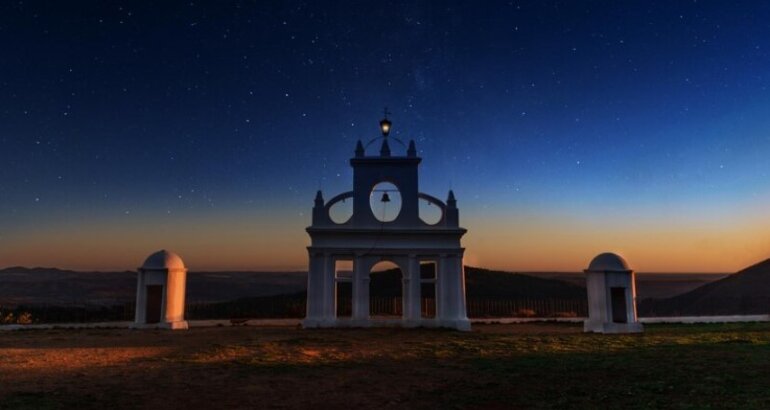
The limestone plateau rises high above Alájar. Much of the surrounding land falls away from it, leaving a generous view of the sky and dark hills along the horizon. Arrive before sunset, and the landscape will orient you. You can see where the ground changes level and find the route back to your car before a flashlight becomes necessary.
The location has its own fascinating history. The Santuario de Nuestra Señora de los Ángeles stands directly against the rock, and pilgrims fill the plateau during the great September romería. On an ordinary evening, the mood is entirely different, and the sanctuary settles into shadow. Village lights appear far below, and the first planets or stars take their places above the ridges.
We personally love a plan that gives the Peña time to change around you. Come up in the late afternoon, explore the plateau, and stay through blue hour (the deepening interval after sunset when the sky retains its colour). Once darkness has settled over the landscape, the best thing you can do for your stargazing is put the phone away. Without the glare of the screen, your eyes gradually adjust and more of the night sky comes into focus. Stars that were invisible a few minutes earlier begin to appear, making it easier to recognise planets and appreciate just how much is happening above you.
The Peña is reached by a winding road from Alájar. Check current access through Alájar’s municipal tourism information and use established parking. During religious celebrations or other events, traffic arrangements may change completely. Our guide to Alájar will help you build the rest of the day around the village.
Join a Guided Telescope Evening in Alájar
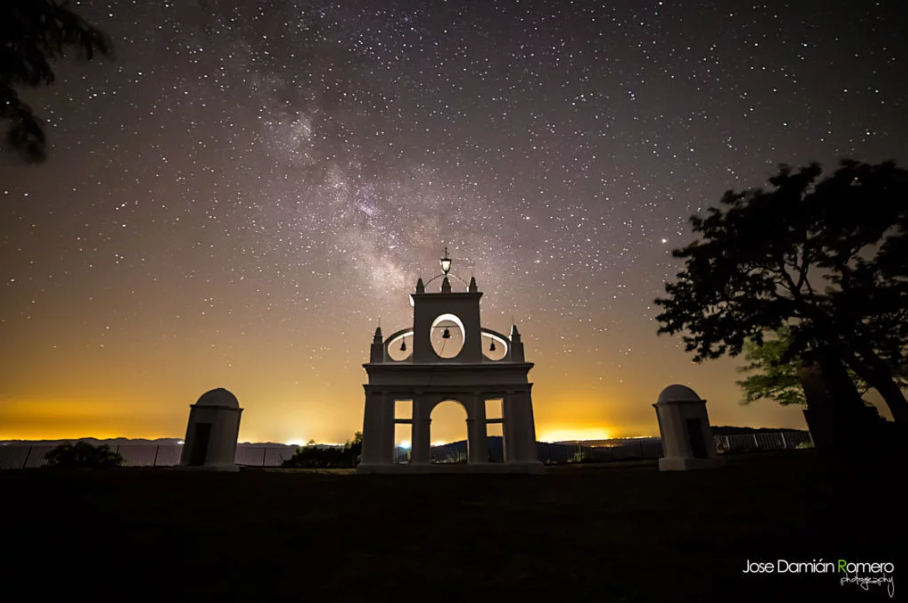
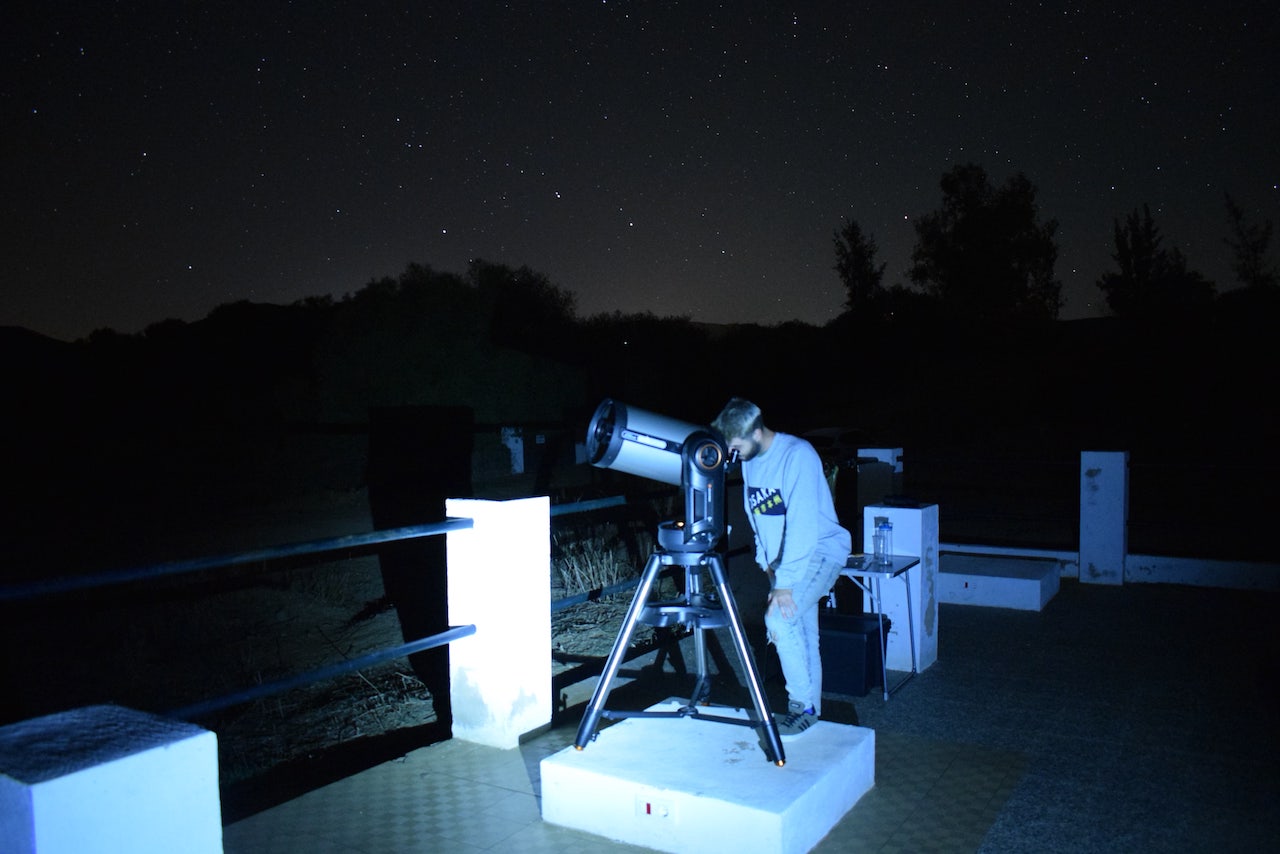
A guide can turn a beautiful view into an evening of discovery. That bright point may be a planet. A smudge that you barely noticed might become a cluster through binoculars, then an extraordinary field of stars through a telescope.
Alájar’s tourism pages have previously advertised Noches Estelares, an introductory activity with telescope observation, as well as longer nighttime sessions. The published page is older, so do not treat its prices or calendar as current. Contact the Alájar tourism office and ask which experiences are operating during your visit.
Before booking, confirm:
- The meeting point and duration
- The language used by the guide
- Whether the activity suits children
- What happens if there’s a cloudy forecast
- Whether transport is included
We suggest a guided evening for your first proper observation. You can ask the questions that feel too basic to ask elsewhere, and there is no such thing as a foolish question when the subject is an entire universe. A local guide can also choose objects suited to the season instead of asking you to search for something currently hidden below the horizon.
Aracena: Stars Above the Castle Hill
Aracena makes the easiest base for a stargazing trip. You have the largest choice of accommodation and places to eat, with the surrounding villages within driving distance.
Regional tourism information identifies the Castillo de Aracena area as one of the comarca’s astronomy interpretation points. The castle and Prioral church also give the skyline a strong foreground for evening photographs. Town lighting means you should expect fewer faint stars than at a rural location, though the upper streets can still introduce you to the night sky without committing to a late drive through unfamiliar countryside.
Use public streets and established viewpoints. The monument has opening hours, and a castle on a hill is not an invitation to enter closed grounds after dark. Our Aracena walking tour covers the climb and layout for a daylight visit. Learning the route earlier in the day makes an evening return much easier.
This option works particularly well when dinner is part of the plan. Choose somewhere from our guide to restaurants in Aracena, remembering that kitchens in Andalucía often open later than international visitors expect. Our article on late dinners in southern Spain explains the timing.
Cortegana: A Castle Silhouette Against the Sky
The fortress above Cortegana is visible from far across the surrounding hills. At dusk, its outline gives you something earthly to hold onto as the sky darkens behind it.
Tourism material also lists the Castillo de Cortegana among the region’s astronomy interpretation locations. Confirm where public access ends and whether any organised activity is scheduled. You can enjoy the castle as part of the view without needing to be inside its walls.
Cortegana lies farther west than Aracena, which makes it a useful overnight base if you plan to explore that side of the Sierra. It also places you close to one of the area’s most unusual places to sleep beneath the stars.
Other Viewpoints Worth Investigating
The Sierra contains many high places, though height alone does not make a location suitable after dark. Safe parking and legal public access matter just as much as the horizon.
Regional Starlight information identifies interpretation points in Cañaveral de León and the municipality of Santa Ana la Real, alongside the castle locations in Aracena and Cortegana. Other local tourism material refers to viewpoints around Higuera de la Sierra and Linares de la Sierra.
Treat these as leads for further planning. Ask the relevant tourism office for the current location and access conditions rather than following an old pin into the countryside. If you want to combine a daytime walk with an evening outdoors, our Sierra de Aracena hiking guide will help you choose a public route. Finish the walking portion before darkness unless an organised guide is leading the activity.
Choosing the Right Night
The best evening depends on what you hope to see. The Moon is the first decision.
A bright Moon can illuminate the ridges and make the landscape look magnificent. Through binoculars or a telescope, its craters become a world of their own. Its light also fades the Milky Way and many dimmer stars. If deep darkness is the priority, choose a date close to the new Moon and check when the Moon rises or sets.
Cloud cover matters more than the season. Thin haze can soften the entire sky, even when no obvious bank of cloud is visible. Check the hourly forecast through AEMET shortly before leaving. Wind deserves attention too; an exposed plateau becomes cold quickly when you are sitting still.
How the Seasons Change the Experience
- Spring: The countryside is lush, and evenings grow longer as the season advances. Bring a layer.
- Summer: Warm nights make lingering easy. Arrive late enough to avoid the day’s heat, and expect astronomical darkness to begin well after dinner time.
- Autumn: Earlier sunsets simplify the schedule. Clear nights can feel much colder than the afternoon suggested.
- Winter: Familiar constellations such as Orion dominate the evening sky. Crisp conditions can be excellent, provided the roads are free from mist and rain.
Meteor showers add another reason to look up. The Perseids return in August, followed by showers such as the Orionids in October and the Geminids in December. Their visibility changes every year because the Moon and weather do not keep the same schedule. Check the current calendar from Spain’s National Astronomical Observatory for exact dates before arranging a special journey.
Our Explore Aracena events calendar is also worth checking. A village festival can bring extra lighting and traffic to the place you had imagined empty, while an organised astronomy evening may solve the planning for you.
What Can You See Without a Telescope?
Quite a lot. In fact, a telescope can be a distraction during your first half-hour because it narrows the view just as you are learning the shape of the whole sky.
Begin with your own eyes. Find the Moon if it is present, then look for the brightest points. Some will be stars; others may be planets. Constellations are much easier to find when you have a reference. That might be a printed star chart, a phone app used briefly on its dimmest setting, or someone who already knows where to look. Even recognising your own zodiac constellation can give you a familiar point from which to map the stars around it.
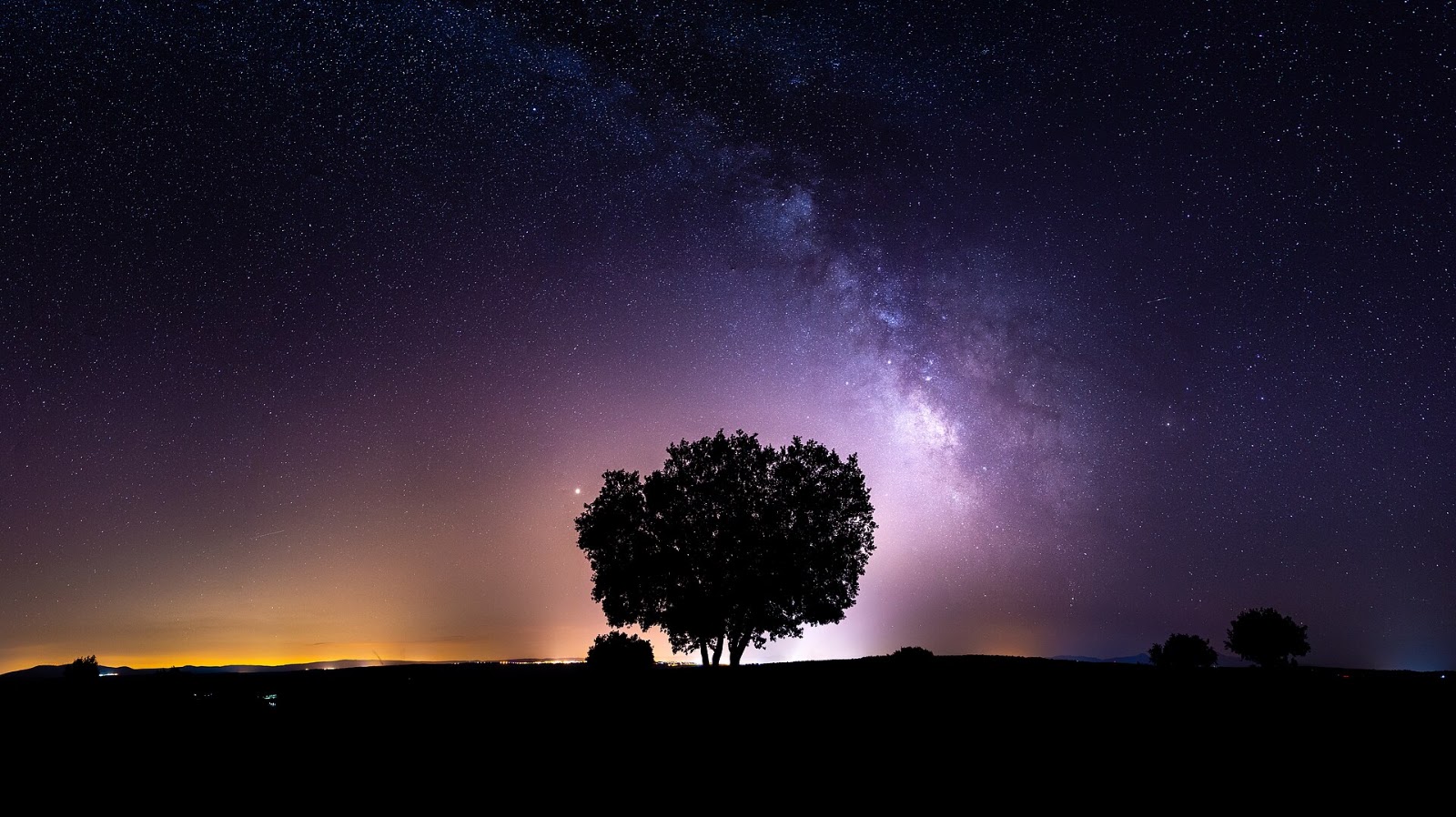
On a dark night, the Milky Way appears as a pale concentration of light rather than the brightly coloured cloud seen in long-exposure photographs. That distinction matters. Cameras collect light for far longer than your eyes can, so arrive with curiosity instead of expecting the sky to resemble an edited image.
A pair of binoculars is our favourite next step. They fit in a small bag and require almost no setup. Sweep them across the Moon, then try an area crowded with stars. The number that appear can be startling.
The Stories Written Across the Sky
Once you can recognise a constellation, the evening gains another layer. These patterns have helped people navigate, mark the seasons, and pass stories between generations. The stars themselves remain in place, but every culture has looked up and found different figures among them.
Many of the names commonly used in Europe come from Greek and Roman mythology. Orion strides across the winter sky as a hunter. The story continues through figures such as Taurus and the Pleiades. You can follow the myth from one group of stars to another, turning the sky into an enormous illustrated tale.
Those familiar names represent only one tradition. Arabic astronomers shaped much of the celestial vocabulary still used today, and cultures around the world developed their own stories from the same points of light.
Fun idea: choose one constellation visible during your trip and learn its mythology beforehand. Retelling the story beneath the stars makes a lovely part of the evening, whether you are sharing it with children, friends, or someone curled up beside you on the blanket.
Give Your Eyes Time
Night vision develops gradually. Twenty minutes away from white light makes a noticeable difference; longer is better. One glance at a bright phone can undo much of that adjustment.
Turn the screen brightness down before you arrive. Use a red filter or red torch when you need to see the ground. Even red light should be pointed down and kept as dim as practical, especially when other observers are nearby.
Guided or Independent Stargazing?
Choose a guided session when you want to use a telescope, learn the constellations, or bring children to the experience. The guide provides the equipment and interprets what is visible that particular night.
An independent evening can be wonderfully simple. Bring a blanket or folding chair and settle somewhere permitted. Binoculars will extend what you can see, though they are optional. A sky app may help with orientation; use it briefly and dim the display before holding it near anyone else.
We recommend keeping the first attempt modest. One safe viewpoint and an hour beneath the sky will teach you more than a complicated night involving several drives. Come back at another time of year and an entirely different cast of constellations will be waiting overhead.
Sleep Under the Stars Near Cortegana
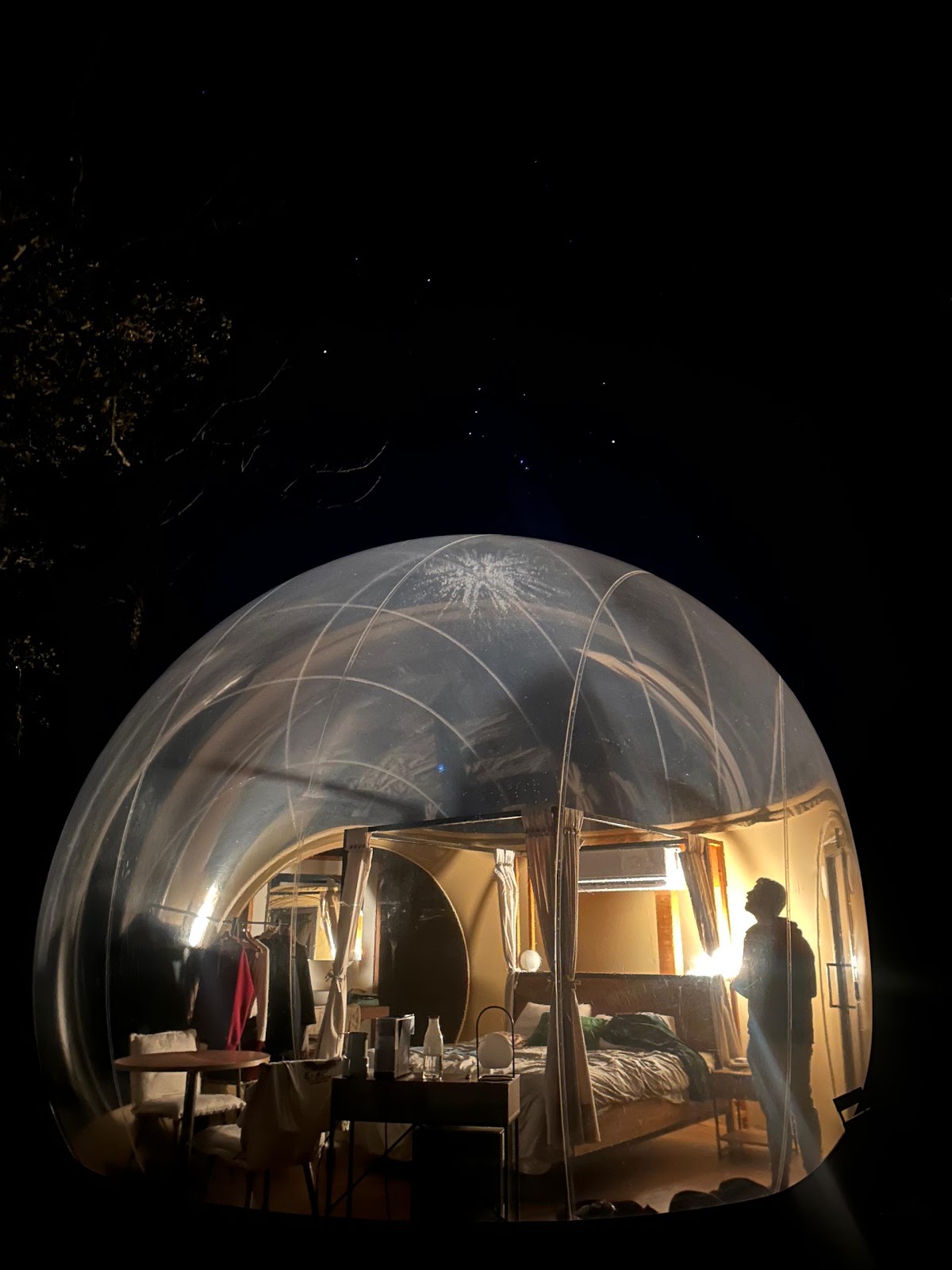
Horizonte Bubble Rooms places transparent-domed accommodation among chestnut and cork-oak woodland near Cortegana. The property describes views towards the castle, allowing the night sky to remain part of the stay after you have gone to bed.
This is an appealing choice for a romantic trip, particularly if you would rather avoid driving back along rural roads at midnight. The transparent roof does not promise astronomical perfection: moonlight, condensation, and interior lighting will all influence the view. The pleasure lies in having the entire night above your bed. Switch off the lamps, and you will see the stars sharpen into view. If you wake hours later, you can look up and see how the stars and planets have danced across to a different point in the sky.
Ask the property about the outdoor areas available to guests and any astronomy activities offered during your dates. El País included Horizonte Bubble Rooms in a feature on the growth of astrotourism in Andalucía’s inland sierras.
Photographing the Stars
A phone with night mode can produce a pleasing photograph if it is held completely still. Rest it securely or use a small tripod, then trigger the shutter with a timer to avoid shaking it.
For a camera, begin with a wide lens and manual focus near infinity. Use a tripod and experiment with exposures of several seconds. Stars will begin to trail if the shutter remains open too long, with the exact limit depending on your lens and camera.
Choose the foreground before dark. A cork oak, a ridge, or the outline of a castle can give the sky a sense of place. Do not stand in the road or climb onto restricted ground for the composition. Avoid sweeping powerful light across buildings, grazing animals, or other visitors.
Then take a few photographs and stop. We believe the best part of a Sierra night should still happen away from the screen.
What to Bring
Even a simple hour outdoors becomes more enjoyable when you are warm and can find the way back safely.
- A warm layer, including in summer
- Shoes with grip
- Water
- A red torch or headlamp with a red setting
- A charged phone with the map downloaded
- Binoculars, if you have them
- A blanket, mat, or folding chair
If you are travelling alone, tell someone where you intend to stop and when you expect to return. Mobile coverage varies across the hills. Downloading the route takes seconds and saves a great deal of annoyance when the signal disappears.
Drive slowly. Rural roads may hold wildlife, livestock, or fallen branches around a bend. Park without obstructing gates, and face the car towards the exit if the space allows. When tiredness arrives, the observation is over; the stars will be there on another night.
Private land remains private after sunset. Respect barriers and signs, even if a map appears to show a track continuing through. Fires and candles have no place at a stargazing viewpoint.
A Stargazing Day from Aracena to Alájar
1. Spend the Morning in Aracena
Begin in Aracena, where you can visit the Gruta de las Maravillas or follow our walking route through town. If you choose the cave, reserve a timed ticket before planning anything else around it.
Keep the morning manageable. Stargazing may take you well into the evening, and this is not the day for exhausting yourself before the stars appear.
2. Stay in Aracena for Lunch
Aracena offers the widest choice of restaurants in this part of the Sierra, so enjoy lunch here before continuing to Alájar. Our restaurant guide can help you choose somewhere close to the town centre.
We recommend making lunch the main meal of the day. Restaurant kitchens in Alájar may close before your stargazing session finishes, particularly outside busy weekends.
3. Drive to Alájar and Check In
Alájar is approximately twenty minutes from Aracena by car. Arrive with enough daylight to check into your accommodation and become familiar with the village before heading uphill.
Staying overnight removes the least enjoyable part of the evening: driving back to Aracena after several hours outside in the dark. The Alájar Town Council accommodation directory lists hotels and rural houses in and around the village, including Posada San Marcos.
4. Reach the Peña Before Sunset
Plan to arrive at the Peña de Arias Montano around an hour before sunset. This gives you time to explore the public areas and see the landscape in its final daylight. Choose where you will sit later and make sure you can identify the path back to the parking area.
Sunset times change dramatically across the year, so build this part of the day around the actual light rather than a fixed hour.
5. Give the Sky at Least an Hour
If a guided telescope session is available, follow the organiser’s meeting time. For an independent evening, remain at the Peña as darkness settles and resist checking your phone.
Give your eyes twenty minutes to adjust before reaching for binoculars or a star chart. Spend at least an hour looking upward; constellations that seemed impossible to find at first often become much clearer once you have located one familiar pattern.
6. Return to Aracena or Stay in Alájar
You can return to Aracena after stargazing; the drive usually takes around twenty minutes. The road is winding and much darker than it appeared during the day, so leave while you are still fully alert. If you hope to eat after returning, check kitchen hours before setting out.
Staying in Alájar allows the evening to end without another journey. The Alájar Town Council accommodation directory lists hotels and rural houses in and around the village, including Posada San Marcos. You can wake in the village the following morning and continue with a countryside walk or an unhurried breakfast before returning to Aracena.
Stargazing in the Sierra de Aracena: FAQ
Do I need a telescope?
No. Your eyes are enough for a first evening, and binoculars are an excellent addition. Book a guided session if you specifically want to look through a telescope.
Where is the best place to begin?
We recommend Peña de Arias Montano because of its open setting and proximity to Alájar. Confirm access and arrive before sunset.
When can I see the Milky Way?
Choose a clear night with little moonlight and move away from village lighting. The brightest central region is seasonal, so consult a current astronomy calendar or ask a local guide what will be visible during your dates.
Is the Peña always accessible at night?
Do not assume it will be. Religious events, works or local traffic arrangements can affect access. Check with Alájar’s tourism office before making a late journey.
Can children join a stargazing evening?
Yes, provided the chosen activity accepts their age group and you prepare for cold, tiredness and uneven ground. A shorter guided session is often easier than asking a child to wait several hours for astronomical darkness.
Can I observe from Aracena Castle?
Only from areas legally open to the public at that time. The castle itself has controlled opening hours. Public upper streets and permitted viewpoints may still offer an attractive early-evening sky.
What happens if clouds arrive?
Change the plan. Enjoy dinner in town, check the forecast for the following night, and try again. Mountain roads in fog or heavy rain are never worth forcing an astronomy itinerary.
A Different Way to Know the Sierra
When people plan a stay in the Sierra, they usually imagine days spent hiking or exploring the villages. Dinner in town brings the itinerary to a close, followed by a good night’s sleep before beginning again the next morning.
The Sierra night sky invites you to experience those hours differently. Find the right place and learn a little about what may be visible during your visit. We hope this guide has given you everything you need to begin. You may spend the evening tracing the stories held within the constellations, or simply looking up and taking in the magnificence of the view. It is the depth of the darkness that allows the Moon, planets and countless stars to shine with such clarity. That darkness is one of the Sierra’s landscapes, and staying to witness it may become one of the most memorable parts of your trip.