Meet the Goats and Make Cheese: Visiting Monte Robledo in Aracena
Meet the Goats and Make Cheese: Visiting Monte Robledo in Aracena
Monte Robledo offers one of the most grounded food experiences in Aracena: a working farm and dairy visit, a practical cheese-making workshop, a small rural-utensil museum, and a guided tasting. Here’s how to plan it, what to ask when you book, what the visit typically includes, and how to turn it into a relaxed autumn day in the Sierra.
Jamón receives most of the attention in Aracena. It hangs above bar counters and fills shop windows; every October, an entire fair is devoted to it. Yet another food tradition has been growing out of these hills for generations. Making cheese gave local goatherds a way to preserve the milk and carry its nourishment into the months ahead.
Monte Robledo brings that tradition within reach of visitors. At its farm and dairy in Aracena, you can meet the goats before joining a workshop to make a small cheese of your own, which you take home to mature. There is a small museum filled with rural utensils too, followed by the considerably easier and enjoyable work of tasting the finished cheeses.
The experience draws you past the cheese board and into the working life behind it. Children have animals to meet. Curious cooks can finally see what happens before a cheese reaches the board. For the rest of us, there is the pleasure of spending a morning with people who know their craft and are willing to share it.
Monte Robledo at a Glance
- Where: Aracena, within the Sierra de Aracena y Picos de Aroche Natural Park
- The experience: A guided farm visit with goats, the dairy and rural museum, a cheesemaking workshop, and a tasting
- Who will enjoy it: Families, couples, food travellers, and anyone happiest when learning by doing
- Languages: Spanish and English are listed; request English when booking
- Accessibility: The workshop and milking areas are described as accessible, although individual requirements should be discussed in advance
- When: A current ecotourism listing advertises Sunday workshops from 10:00 to 13:00, with alternative arrangements possible for groups
- Booking: Reserve directly and confirm the current price, meeting point and contents of your visit
The Monte Robledo ecotourism listing is useful for an overview. For your actual booking, contact the cheesemaker through its official visits and workshops page.
The Woman Who Put Aracena Goat Cheese on the Label
The story begins before Monte Robledo became a visitor experience. Its family cheesemaking tradition reaches back through earlier generations of Sierra cabreros, who kept goats and made use of their milk at the cortijo. Much of that cheese was eaten at home or sold within the surrounding community.
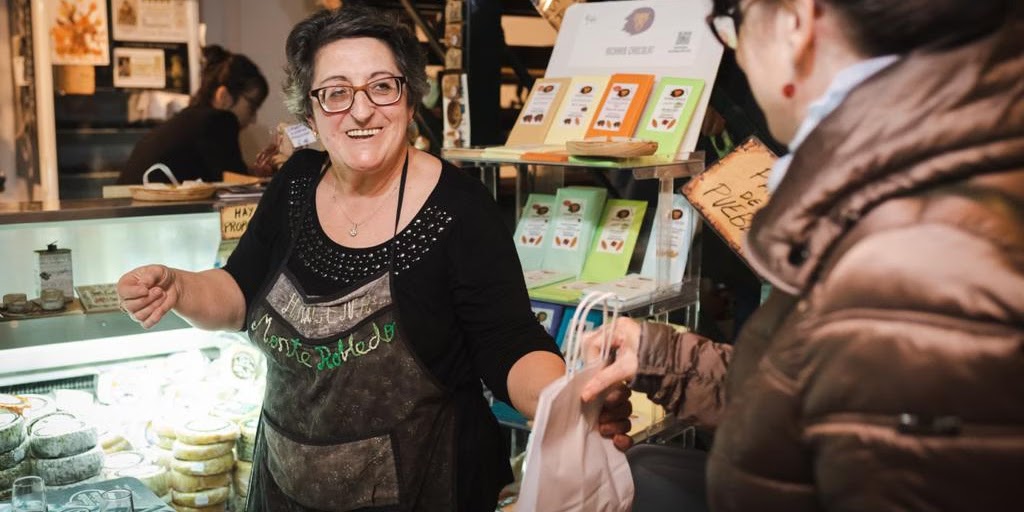
María Jesús Rodríguez gave the tradition a commercial future. In 1996, she put what has been described as Huelva’s first labelled goat’s-milk cheese onto the market. That date matters because formalising a household product requires more than a good family recipe. The cheese needed a recognised identity, a legal route to customers, and a business capable of carrying it beyond the farm.
Her work also belongs to a wider story about women building independent lives in rural Andalucía. In an interview with the Andalusian Rural Development Association, María Jesús speaks plainly about financial independence and the future of rural women. The business has since expanded into farm visits, workshops, and plans for accommodation, allowing tourism to support the agricultural work rather than replace it.
Monte Robledo now sells its cheeses well beyond Huelva, but the experience remains rooted in the same question that started the project: how can an inherited way of making food continue to support life in the Sierra today?
What You Can Experience at Monte Robledo
Monte Robledo describes several parts to its visits, although the precise arrangement can vary. Ask what will be included on your date, particularly if meeting or milking the goats is important to your family.
Meet the Goats
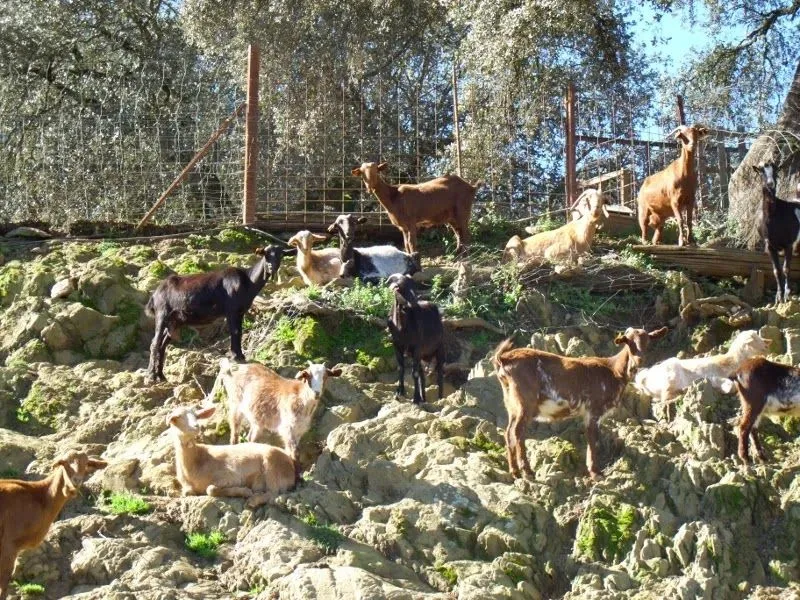
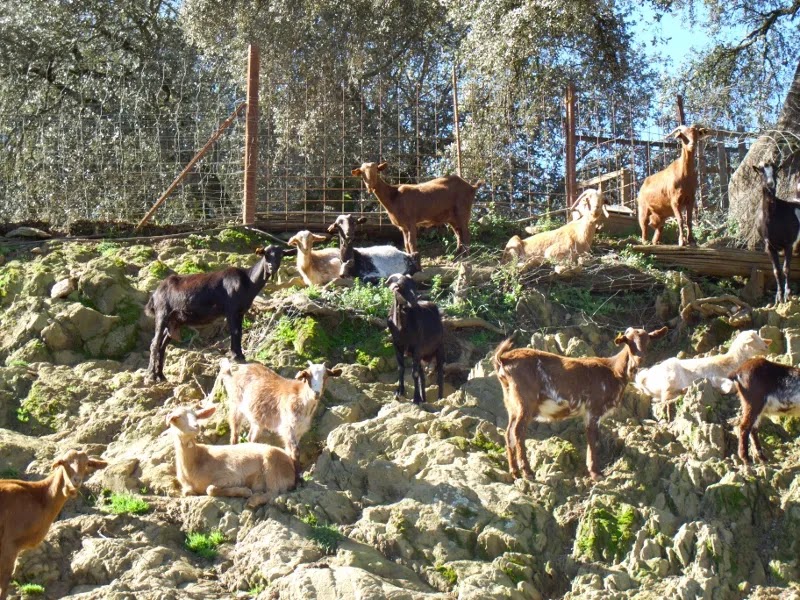
The goats bring the whole subject down to earth rather quickly. Milk is no longer an anonymous ingredient once you have stood beside the animals and seen the work involved in caring for them.
Monte Robledo advertises the chance to milk the goats, and let us be honest: they may steal the entire morning. Being close enough to one of these curious little characters, and possibly trying to milk her yourself, brings out the delighted child in almost everyone. Children will be enchanted. We expect plenty of adults will be trying very hard to behave sensibly while falling equally in love.
There is plenty to ask here. How much milk does a goat produce? Does the herd graze every day? How does its diet change with the season? Questions that sound elementary often reveal the most about how a farm actually works.
Participation, age guidance, and seasonal availability are worth confirming when you reserve. Wear closed shoes that can cope with a working farm rather than footwear chosen for the streets of Aracena.
Make a Cheese of Your Own
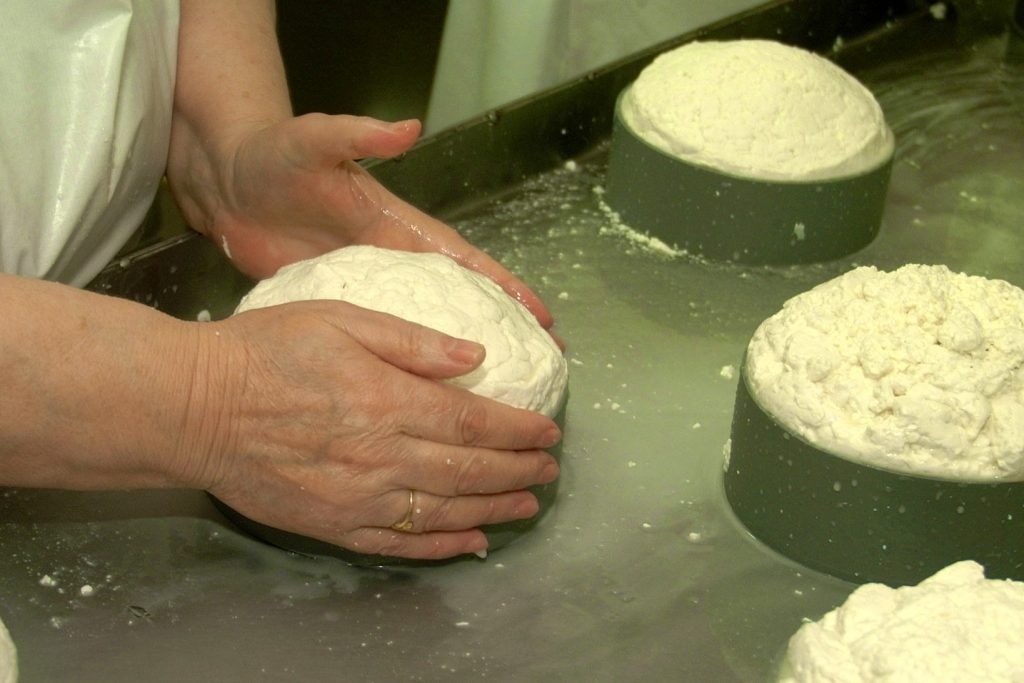
Inside the workshop, milk begins to lose its familiar form. After the rennet is added, the milk thickens and separates. Soft curds appear where there was only liquid moments ago. You scoop them from the whey and press them into a mould, watching the beginnings of a cheese take shape in your own hands.
Monte Robledo says visitors can take their cheese home and allow it to mature. Ask how yours should be stored and when it will be ready to eat, particularly if you have a long drive afterwards. The producer’s instructions matter more than general advice found online.
Making one small cheese will not turn you into a maestro quesero. Still, carrying home something you made yourself comes with a lovely little burst of pride. Once it has matured, you get to cut into your own work and discover - hopefully with great delight - that it tastes delicious.
Step Inside the Dairy and Rural Museum
The dairy shows how an old practice continues under modern production standards. It is also the place to ask about the distinction between the workshop cheese and Monte Robledo’s raw-milk products; do not assume they are made in precisely the same way.
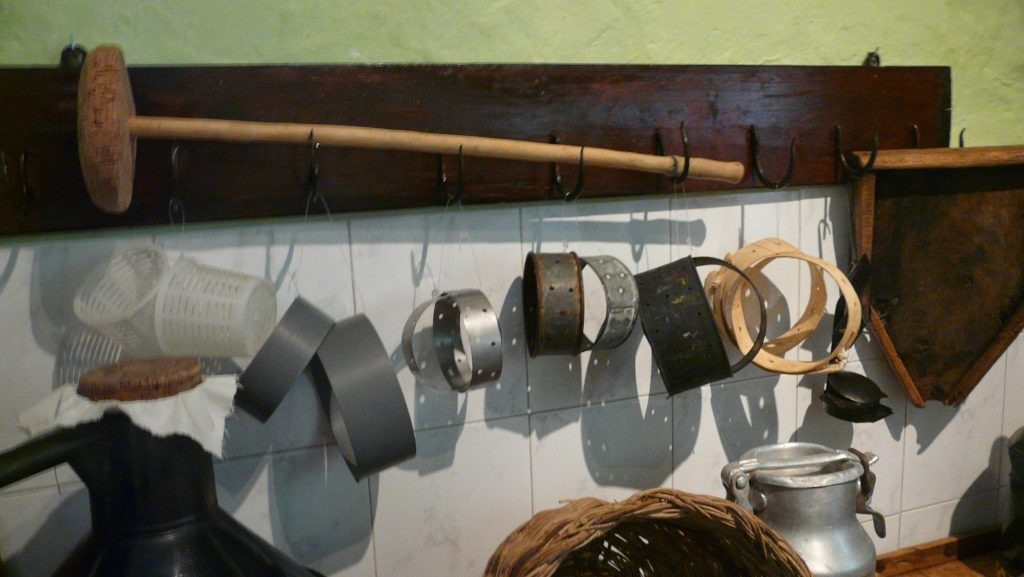
Nearby, the museum of traditional utensils carries the story into earlier Sierra homes. The objects on display once belonged to daily work, when the knowledge of a cabrero (a local goatherd) extended from caring for the herd to preserving its milk as cheese.
Allow time to look rather than treating the museum as a corridor on the way to the tasting. These objects still hold traces of the working lives that shaped them.
Taste the Cheese with Some Context
By the time the tasting begins, you know where the milk came from and have wrestled with curds yourself. The cheeses arrive with context already attached.
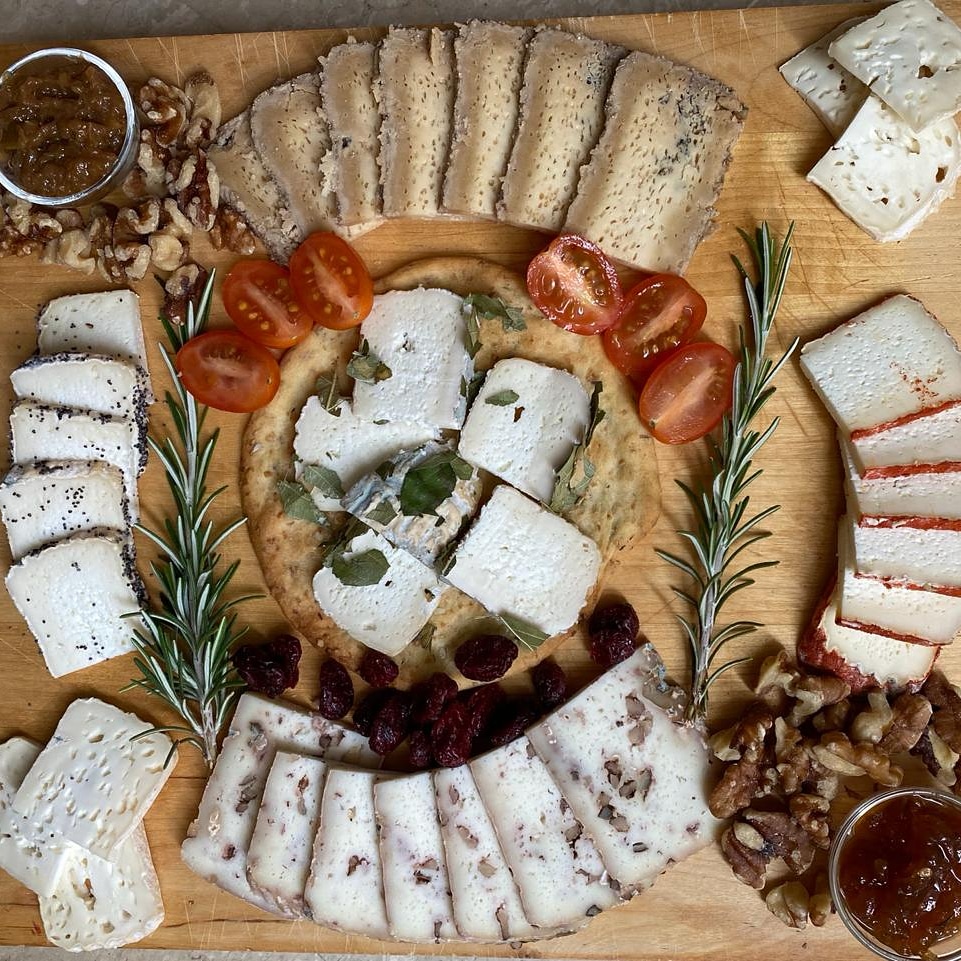
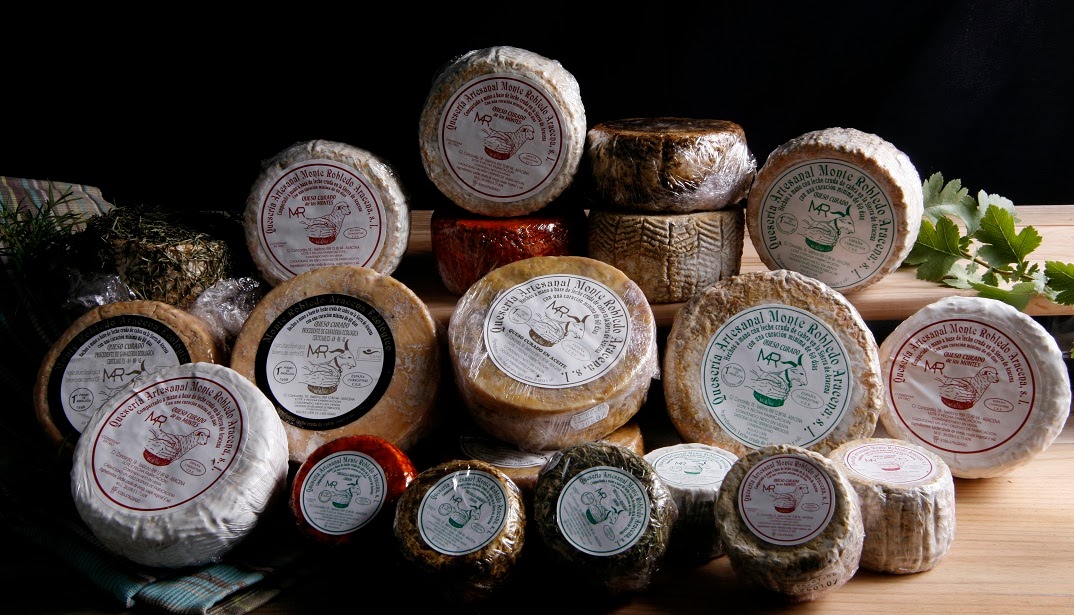
Monte Robledo produces naturally matured cheeses from raw goat’s milk. Rather than stripping away the flora that develops on the rind, the cheesemaker allows it to participate in the maturation. An earlier tasting note describes the house’s cured cheese as buttery and persistent, with mushroom-like aromas from the natural rind and the distinctive tang of goat’s milk at the finish.
The Torta de Aracena de Cabra shows a softer side of the dairy. Monte Robledo recommends serving it with toasted bread and a little olive oil. At the other end of the spectrum is cheese aged in oil, traditionally known as Queso de Todo el Año. The pieces left longest at the bottom of the jar became especially mature and piquant, earning the affectionate name Queso de la Abuela.
You may also find wheels coated in rosemary or coloured red with paprika. Taste them slowly and pay attention to the texture beneath the seasoning. If one stands out, ask whether you can buy a piece to take home.
How the Sierra Finds Its Way into the Cheese
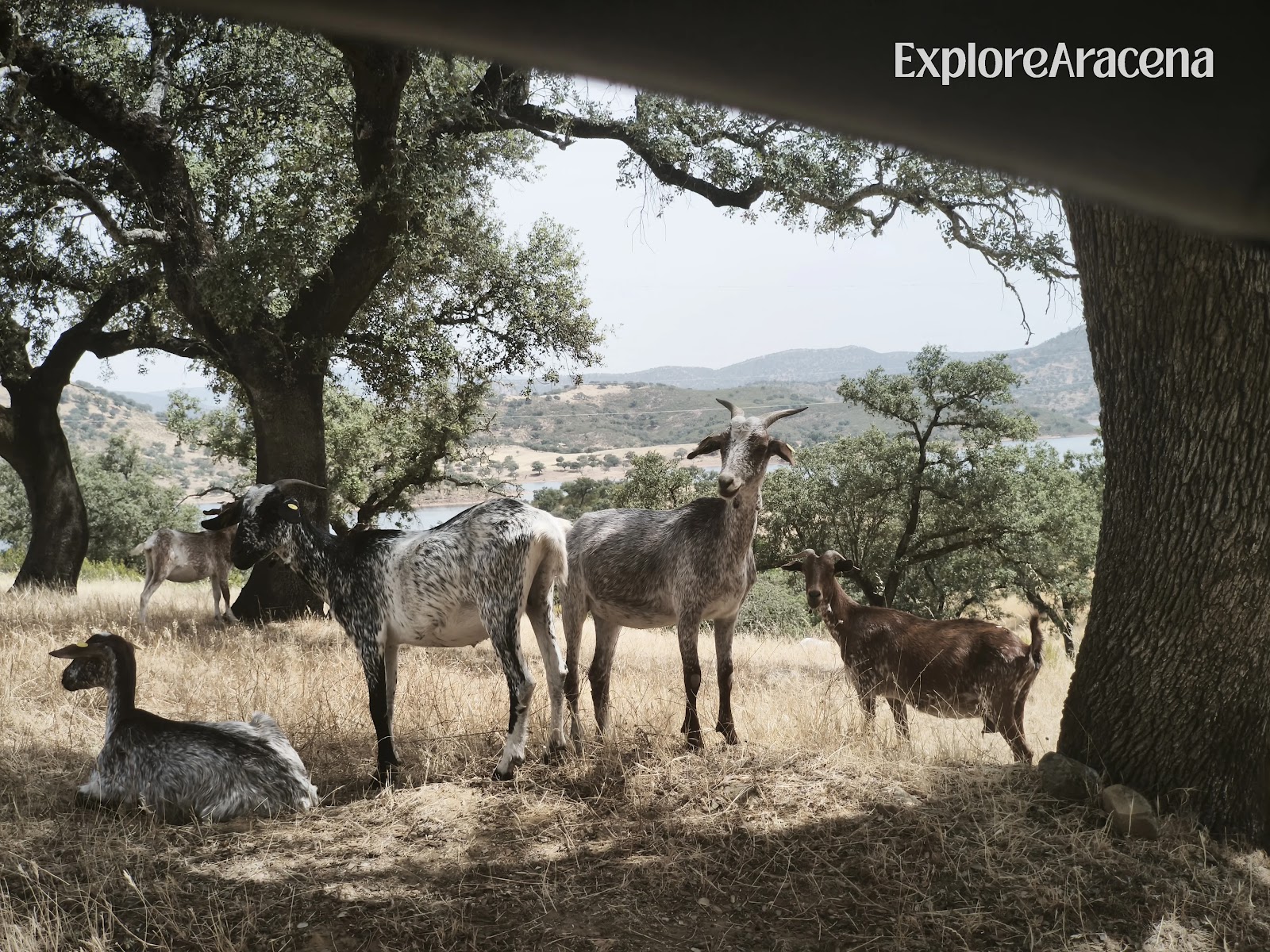
The goats at Monte Robledo are raised through ganadería extensiva, or extensive farming. Rather than spending their lives confined inside an intensive production system, they graze across the finca and feed from the vegetation growing there. Soy Ecoturista also lists the farm as organically certified.
Goats are particularly comfortable among the uneven ground and scrub of the Sierra. Their browsing takes them beneath holm oaks and cork oaks, among the strawberry trees and rockrose that Monte Robledo maintains across its land. What they eat changes with the seasons, which helps explain why an artisan cheese can carry small variations from one part of the year to another.
This kind of grazing also has a place in the care of the countryside. Goats feed on grasses, shrubs and low vegetation that can otherwise build up beneath the trees. Across Andalucía, extensive livestock farming is increasingly recognised for the role it can play in managing that growth and reducing combustible material during fire season. El País has reported on the environmental value of grazing animals, along with the economic pressures threatening the people who continue this work.
Monte Robledo’s published environmental commitments extend into the running of the farm. The business describes efforts to reduce its consumption of water and energy, replace disposable plastics, and restore traditional buildings with reused materials. It also works with local artisans, producers and guides, keeping the visitor experience connected to the surrounding community.
We love supporting businesses that make those relationships visible. Booking a workshop or buying cheese here helps a woman-led rural project continue an agricultural tradition, and you come away with a closer understanding of the animals and the landscape.
Monte Robledo’s guidance for visiting the natural park asks travellers to stay on marked paths, respect private land and leave the animals undisturbed. If your morning at the farm inspires you to spend more time outside, our Sierra de Aracena hiking guide will help you explore its old routes responsibly.
Why We Like This Experience for Autumn
Autumn makes it easier to give the experience the time it deserves. The fiercest summer heat begins to loosen its hold, and a morning at the farm can lead naturally into a walk or lunch in town. Rain brings colour back to the pasture. Around the wider Sierra, mushrooms begin appearing, and the chestnut harvest changes what you see in village shops and kitchens.
Those seasonal changes do not guarantee that every agricultural activity will be available. Milking follows the animals rather than the tourism calendar, so confirm what visitors can take part in on your date.
October visitors can explore the wider season through our guide to mushrooms, chestnuts and autumn in the Sierra de Aracena. December brings another reason for cheese lovers to return: Aracena’s annual artisan cheese market gathers makers from Huelva and elsewhere in Spain. Monte Robledo has taken part in its workshops and tastings, including sessions pairing Sierra cheese with local honey, walnuts and wine. Check the current dates through the Explore Aracena events calendar and the town council’s official programme.
Plan the Rest of Your Day in Aracena
Let the workshop set the timing. If it finishes around lunchtime, return to Aracena without squeezing another booking into the journey. Our guide to the best restaurants in Aracena will help you choose between tapas and a longer meal.
After lunch, the walk from Aracena’s market to its castle gives you a reason to move again without committing to a countryside hike. The route passes through the town centre before climbing above the rooftops.
The Gruta de las Maravillas can fit into the same day, but only if the available tour time works comfortably around Monte Robledo. Cave admission has limited capacity, and arriving late is not a charming form of spontaneity. Book ahead or save it for the following morning.
First-time visitors will find more ideas in our complete guide to Aracena. If lunch wins and the castle never happens, you have still spent the day well.
Booking Monte Robledo
Book directly rather than arriving at the farm unannounced. The public listings are useful for planning, but Monte Robledo should confirm the current arrangement for your date.
Before travelling, ask:
- Where the visit begins and where you should park
- What time the experience finishes
- Which parts of the farm programme are included
- Whether your preferred language will be available
- How children can participate and whether an age guideline applies
- What accessibility support your group requires
- How to carry and mature the cheese you make
- Whether the shop will be open after the tasting
Use the official contact form, email info@monterobledo.es, or call 658 528 800 / 959 128 994. You can also open Monte Robledo in Google Maps, but follow the meeting instructions supplied with your reservation rather than assuming the map pin marks the correct entrance.
Visitors coming from Seville or Huelva can use our guide to reaching Aracena and travelling around the Sierra. A car is the simplest option for a rural visit. If you will be relying on buses, taxis or accommodation transfers, read our guide to visiting Aracena without a car before booking.
Frequently Asked Questions
Is Monte Robledo suitable for children?
The animals and practical workshop make it a natural family activity. Ask Monte Robledo how children can participate and whether the current programme has a minimum age.
Do visitors really milk the goats?
Goat milking is advertised on the official visits page, but farm activities can depend on the animals and season. Confirm its inclusion for your date.
Can you take home the cheese you make?
Monte Robledo says visitors can mature their cheese at home. Follow the storage, transport and ripening instructions given during the workshop.
Is the experience accessible?
The workshop and milking room are listed as accessible. Because individual needs and rural ground vary, describe what your group requires before making the reservation.
Can you buy Monte Robledo cheese without taking the workshop?
Yes. Monte Robledo has a shop in Aracena as well as an online store. Check the current opening hours before making a special journey.
Cheese Tastes Different Once You Know the Farm
Your visit is not quite finished when you leave the finca. The cheese travels home still becoming itself. Weeks later, once it has matured according to Monte Robledo’s instructions, you can finally cut into it. It may not be perfect, but it will be yours.
Traditions remain alive because people keep teaching them, and others care enough to learn. Monte Robledo invites you into that exchange. The cheese you carry home is a small piece of the Sierra, a story still unfolding.