The Best Day Trips from Seville for Slow Travellers
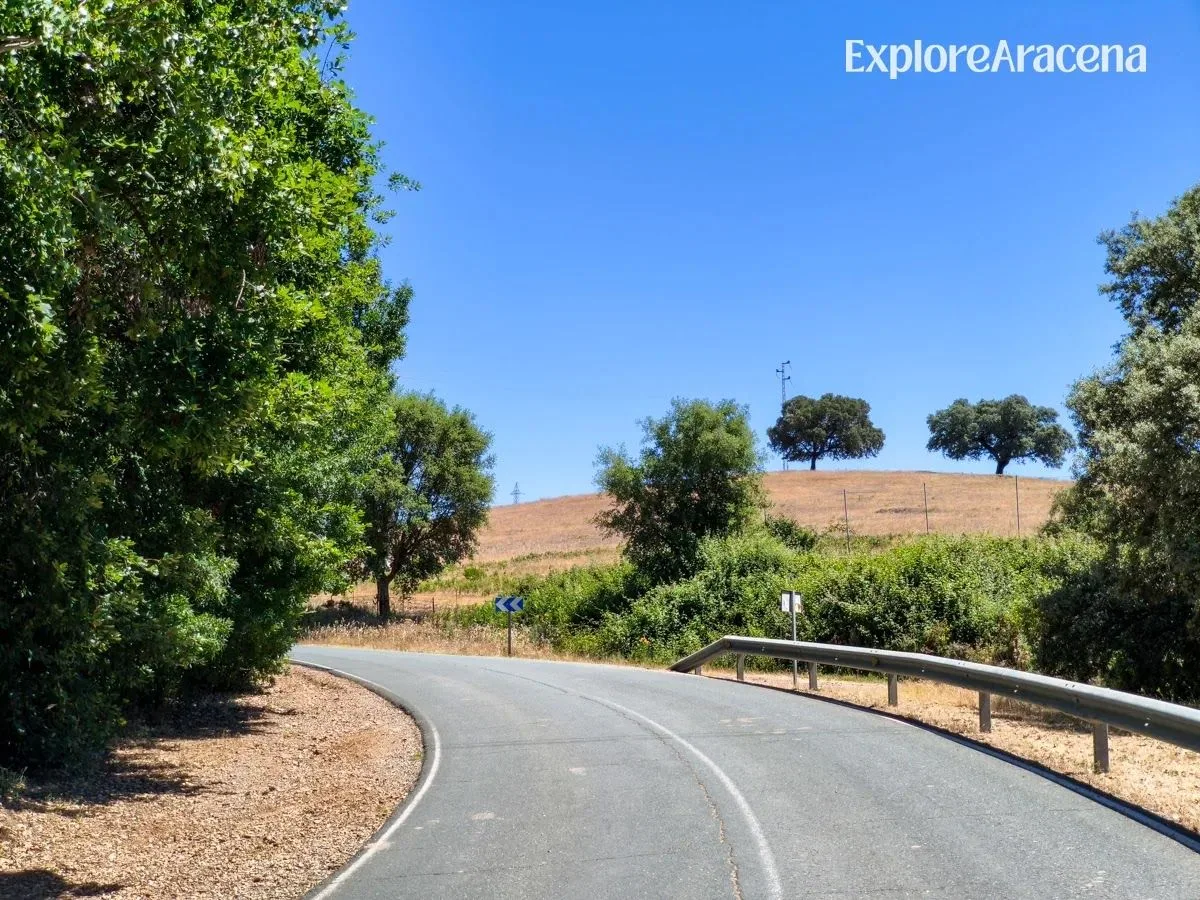
The Best Day Trips from Seville for Slow Travellers
Leaving Seville for one well-chosen landscape makes a better day than rushing between famous sights. This practical guide compares Aracena, Doñana, the Sierra Norte, the Cádiz coast and the Grazalema mountains, with honest advice on transport, timing and what each destination suits.
Seville is a sparkling city, filled with people who give it much of that shine. There is no shortage of magnetic reasons to settle in for a long stay.
Some of us, however, can only take busy city life in measured doses. One of Seville’s greatest advantages is how easily you can leave it behind for the day. A train can carry you towards the coast. With a car, the roads open towards oak woodland and mountain villages. Even the regional buses reach places where the pace feels entirely removed from the streets you left that morning.
We have organised the best nature-led day trips from Seville by region, with enough practical detail to help you understand the transport involved and what each day might realistically hold.
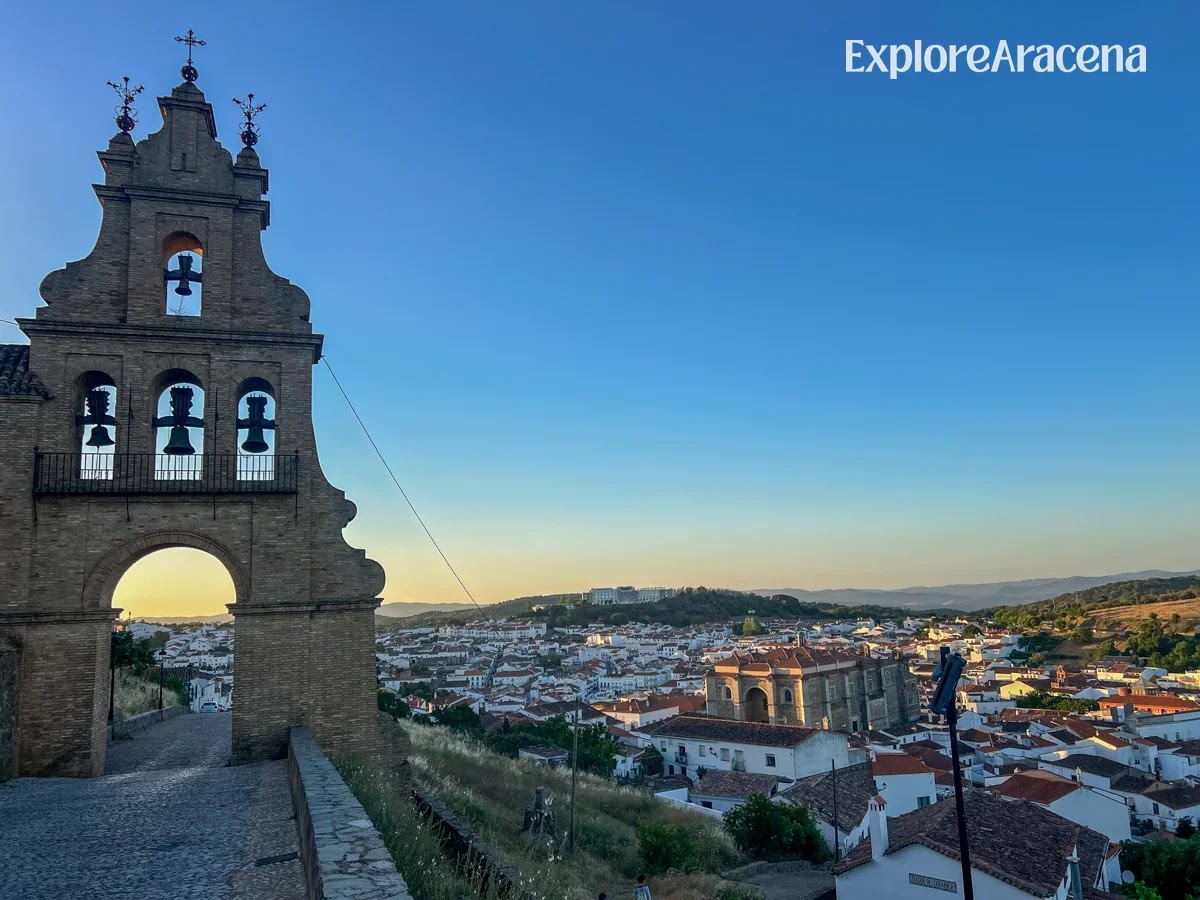
Our first recommendation is Aracena. Its combination of nature, food and places to explore on foot makes it an especially rewarding escape from Seville. The town is beautiful in its own right, with wooded hills surrounding its white streets and an extraordinary cave hidden beneath the castle.
Andalucía leaves you with no shortage of possibilities. Perhaps you are craving the beach, or the thought of an open mountain trail sounds better than another afternoon in town. We have gathered the strongest options below so you can choose the landscape that feels right for your day.
They each answer that familiar craving for nature, stillness, and somewhere the city cannot follow.
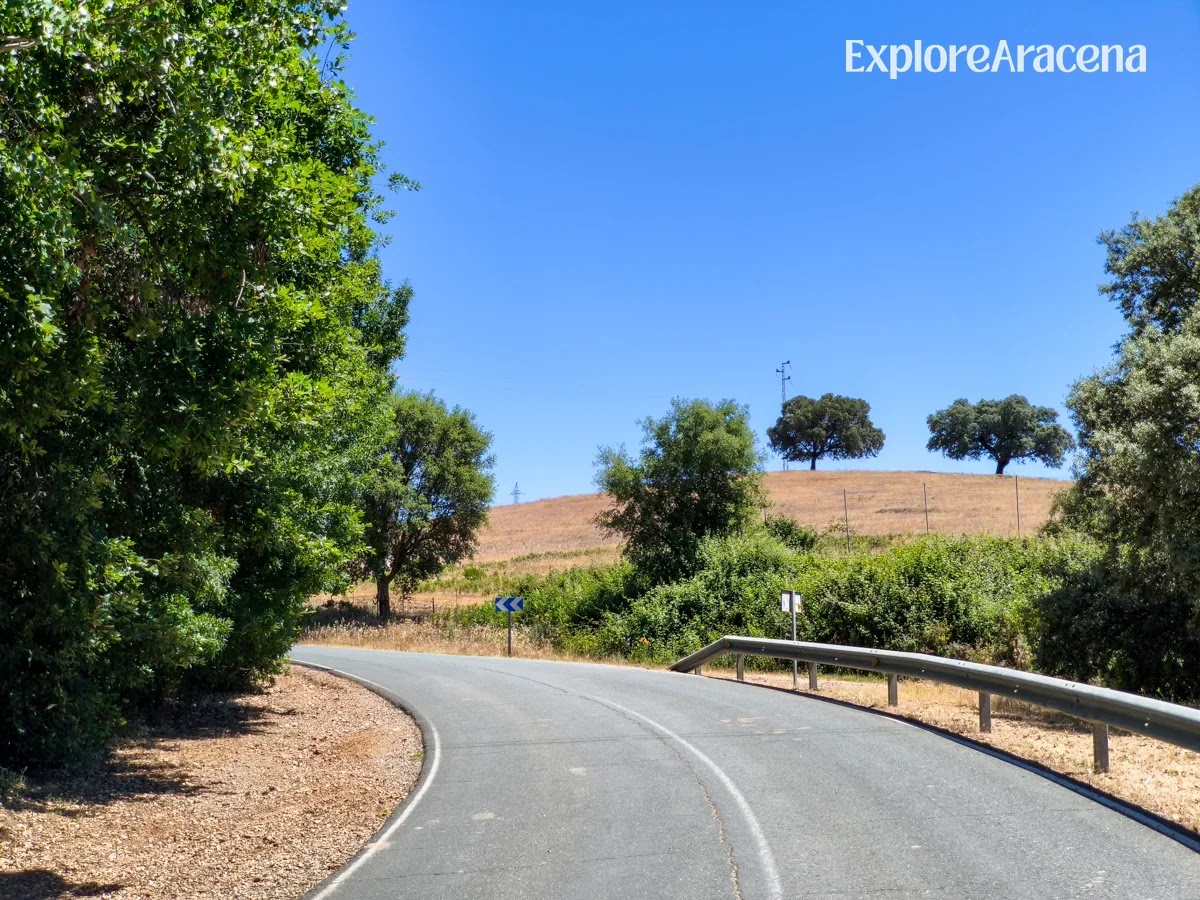
At a Glance: Where to Go from Seville
Approximate travel times vary with traffic, seasonal services, and your starting point in Seville. Always confirm the return journey before booking timed entry to a cave, trail, or organised excursion.
Day Trips in Huelva Province
Huelva province gives you two very different directions from Seville. The road towards Aracena climbs into oak woodland and small mountain towns. Further south, the land opens towards El Rocío and the wetland systems of Doñana.
Choose Huelva if you want:
- A day divided naturally between sightseeing, walking and food
- Protected landscapes that feel very different from Seville
- A destination with enough substance to fill the day without changing locations repeatedly
- The option to return for entirely different seasonal experiences
Aracena and the Sierra: Our First Choice
Aracena fits remarkably well into a single day. Its principal sights gather within the same compact town, allowing you to park once and explore largely on foot.
The entrance to the Gruta de las Maravillas opens directly onto the historic centre. When you emerge from the caves, restaurants and local shops are only a few streets away. Above them, the castle hill remains in view, ready for whenever you feel like making the climb.
Getting to Aracena from Seville
Driving is the easiest option. The journey follows the A-66 north before turning west towards the Sierra and usually takes a little over an hour. A car also gives you the freedom to stop in another village or remain for dinner without organising the entire day around the final bus.
Aracena can also be reached by coach. Damas operates the connection with Seville, although departures change between weekdays, weekends, and seasons. Check the journey in both directions before booking your cave visit. The crucial time is not simply when you can reach Aracena, but when you can get back.
Our guide to reaching Aracena from Seville explains the transport options in greater detail. We also have an honest guide to visiting Aracena without a car.
How to Spend the Day
Begin with a timed visit to the Gruta. Tours have limited capacity, and weekends can fill in advance. The official Aracena ticketing website carries current availability.
Underground, the route passes through limestone chambers where formations descend towards pools of extraordinarily still water. The visit lasts around fifty minutes. Bring a light layer even in summer and wear practical shoes. The temperature drops noticeably below street level, and parts of the route can be damp.
Once you return to daylight, continue through the centre on foot. Our Aracena walking route leads from the market towards the fortified enclosure above town. The climb is short, although the final streets and paths are steep enough to make you reconsider attempting it immediately after a substantial lunch.
Lunch is more than just a quick stop on the schedule. Aracena sits at the centre of a landscape known for jamón ibérico, goat cheese, and cooking shaped by the agricultural year. Autumn brings mushrooms and chestnuts into local kitchens. Our guide to the best restaurants in Aracena will help you choose between tapas, a traditional mesón, and a longer sit-down meal.
A realistic first visit might include:
- A pre-booked tour of the Gruta de las Maravillas
- A walk through the historic centre
- Leisurely lunch
- The climb to the castle hill
- Coffee or a drink in town before returning to Seville
If You Already Know Aracena
A return journey gives you room to explore the wider Sierra.
Alájar sits beneath the Peña de Arias Montano, where limestone cliffs rise above the village, and the sanctuary overlooks the surrounding hills. You can drive to the plateau or reach it on foot from below. A full day leaves time to continue along one of the old paths around the village.
Linares de la Sierra works beautifully for a walk and lunch, particularly if you enjoy villages that are best explored through their streets rather than a list of major monuments. Fuenteheridos places water at the centre of the visit, with the Fuente de los Doce Caños and traditional irrigation channels flowing through the village.
Walkers can use our Sierra de Aracena hiking guide to compare village-to-village routes. These paths cross working countryside, so download your route beforehand and respect gates, livestock and private land.
We recommend choosing one village, perhaps paired with a nearby walk. Trying to cover every corner of the Sierra on your first trip from Seville is unrealistic, and rushing between villages takes away from the experience you came for. Give Aracena and its surroundings enough time to show you what makes them special.
El Rocío and Doñana
Doñana unfolds across a vast meeting of marshland, dunes, pine forest, and coastline. Visitor routes begin in different places around the protected area, so the experience you have will depend on which side you approach and whether you have reserved an authorised excursion.
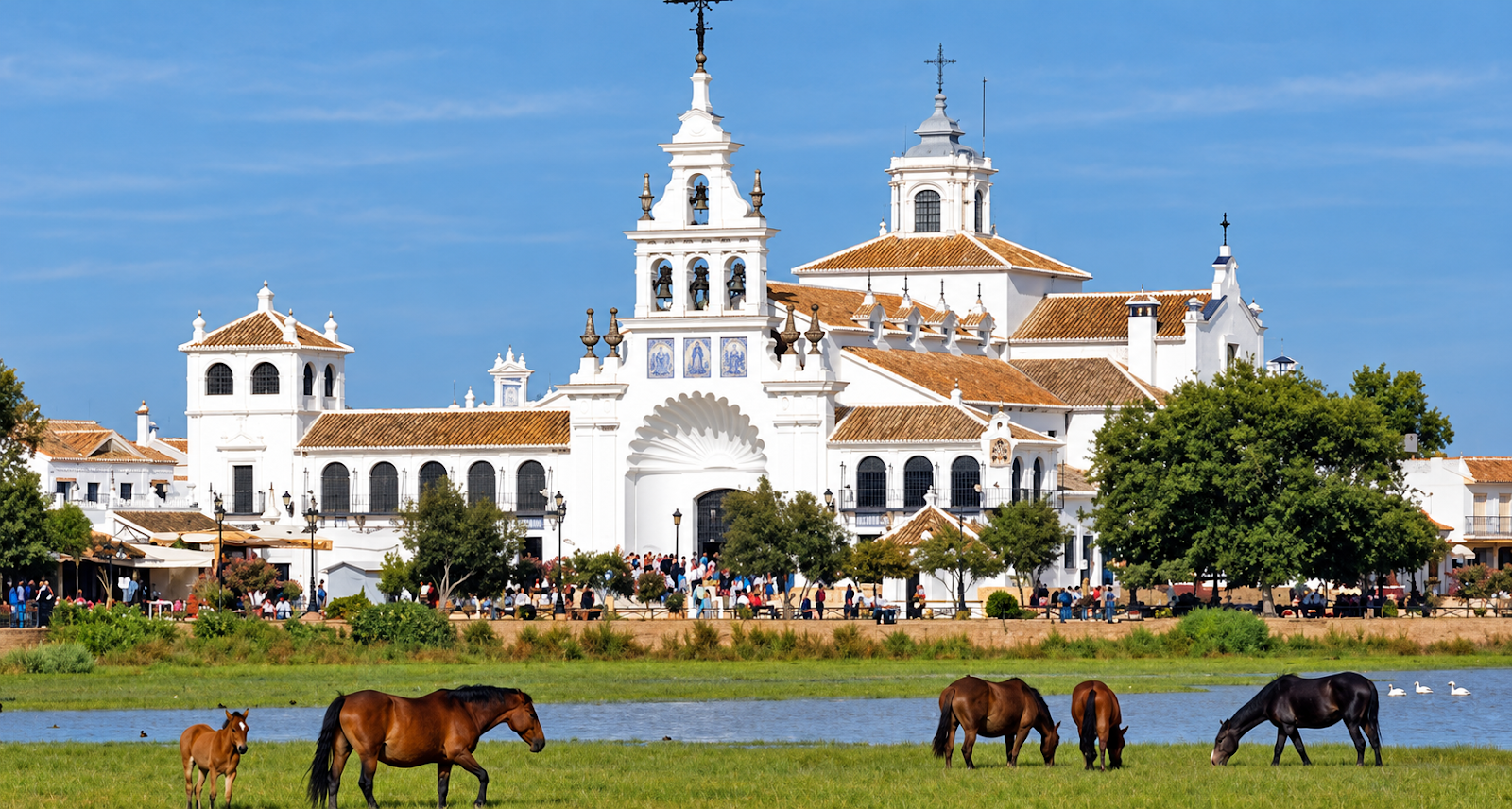
For a day trip from Seville, El Rocío provides the most convenient starting point. Its broad sandy streets lead towards the sanctuary and the marshland known as the marisma. Outside the great pilgrimage, the village has far more space than its famous images suggest.
The La Rocina Visitor Centre lies just outside El Rocío. Short paths and observatories introduce the wetland environment without requiring entry into the restricted interior. Water levels change enormously with the season, so the view in late summer will not resemble the view after a wet winter.
For deeper access, book an authorised excursion. The national park offers different itineraries from the El Rocío side and from Sanlúcar de Barrameda. These are substantial experiences rather than additions to an already crowded schedule. The official Doñana visitor guidance explains the principal routes.
How to Spend Your Day in El Rocío and Doñana
- Begin in El Rocío: Walk through the sandy streets and visit the area around the sanctuary before it becomes busier.
- Continue to La Rocina: Follow one of the short paths and spend time at the observatories overlooking the wetland.
- Stop for lunch in the village: Check restaurant opening hours before travelling, particularly outside weekends and pilgrimage season.
- Build the day around your excursion: If you have reserved a guided route into Doñana, let its departure time determine the rest of your plans. Do not expect to combine a substantial park visit with several other towns.
- Return to the marisma before leaving: Seasonal water and bird activity may have changed since the morning, especially towards the end of the day.
Getting to El Rocío
Driving gives you the most control and normally takes around an hour from Seville. Damas also operates services towards El Rocío and Matalascañas, although the timetable changes seasonally and can be altered during the pilgrimage. Check the current journey through the Damas route search before relying on it.
An organised tour from Seville is sensible if you want to enter the protected interior without coordinating transport and access separately.
Bring binoculars if you have them, but leave the wildlife checklist at home. Doñana is not a zoo, and the animals present depend on water, migration, and the hour of your visit. The pleasure lies in watching the landscape and letting it surprise you.
A Nature Day Trip Within Seville Province
You do not have to cross a provincial boundary to find mountain paths and woodland. The Sierra Morena de Sevilla rises to the north of the capital, with former mining sites, river landscapes, and small towns spread across the natural park.
Choose this area if you want:
- A day centred on walking rather than monuments
- A destination within Seville province that feels removed from the city
- Geological and industrial history in the same landscape
- The independence to travel with your own food and schedule
San Nicolás del Puerto and Cerro del Hierro
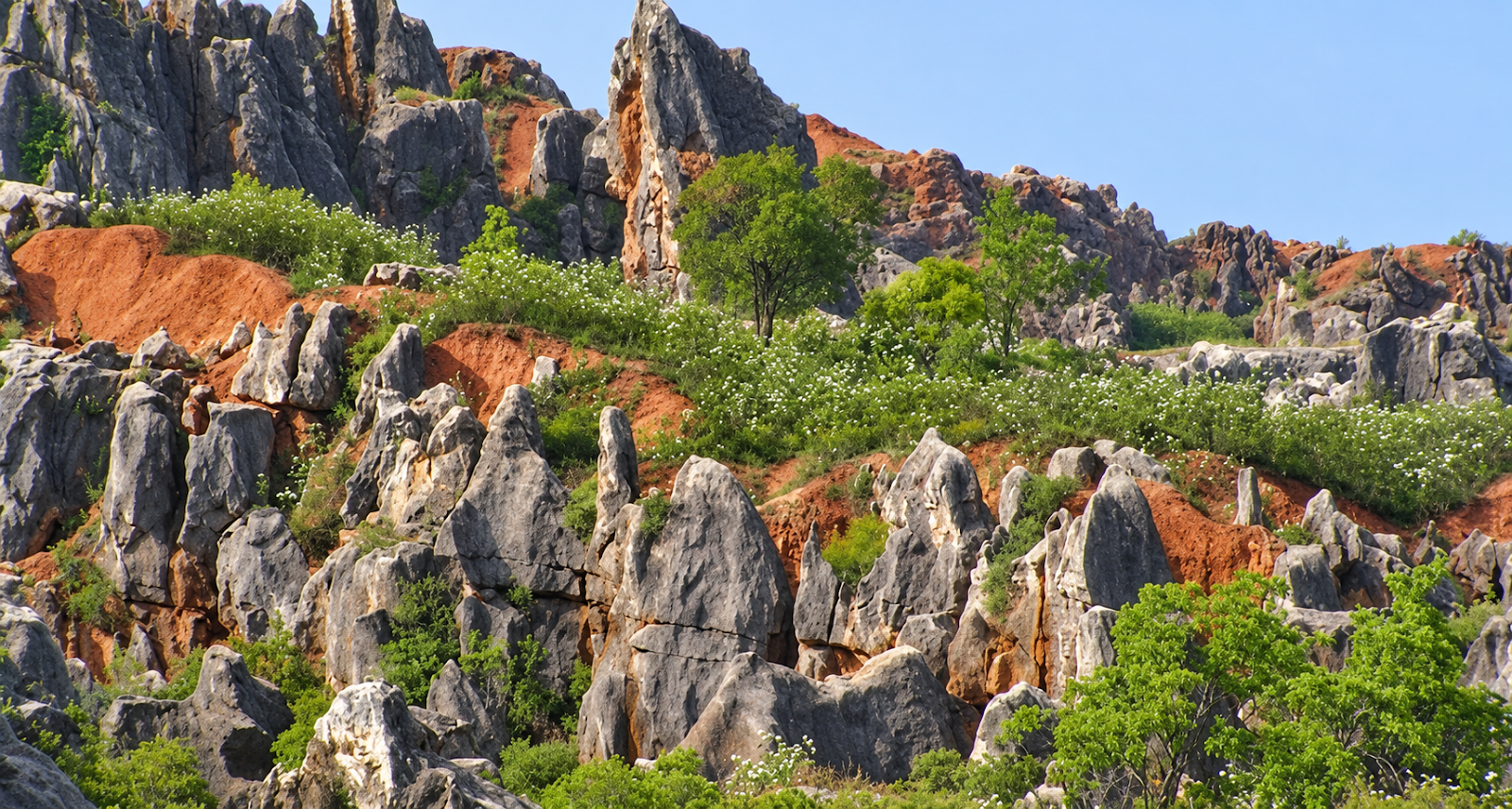
Cerro del Hierro looks as though geology and abandoned industry have been allowed to redesign one another.
Iron mining cut passages through the limestone, leaving narrow corridors and exposed walls behind. Vegetation has since returned around the old workings. You walk through a landscape where natural erosion and industrial excavation can be difficult to separate at first glance.
The principal marked route is manageable for many visitors and does not require the entire day. Allow extra time for photographs and for reading the information around the former mining settlement. The official Cerro del Hierro information provides background on the site.
Nearby San Nicolás del Puerto gives you several ways to continue outdoors after leaving Cerro del Hierro.
The Rivera del Huéznar begins here, rising in San Nicolás before flowing entirely through Seville province on its journey to the Guadalquivir. Around the village, the presence of water is part of daily life. An old stone bridge crosses the River Galindón, near a seasonal artificial river beach where residents and visitors cool off during summer. Confirm that the bathing area is operating before packing your swimsuit.
The Sierra Morena Greenway follows part of the former railway used to carry iron away from the mines. Its relatively easy surface makes it suitable for walking or cycling, and sections run beside the Huéznar beneath riverside woodland.
Further downstream, the river passes over travertine formations at the Cascadas del Huéznar. Water falls through a thick gallery forest of ash, willow and alder trees. Swimming is prohibited at the cascades, despite how inviting the pools may look.
Within the village, you can also find the Church of San Sebastián and the Ermita de San Diego. The historic bridge, river source and streets around the centre are enough for a short wander without turning the afternoon into another formal sightseeing itinerary.
How to Spend the Day
- Begin at Cerro del Hierro: Walk the principal marked route before the exposed limestone becomes too warm.
- Continue to San Nicolás del Puerto: Visit the stone bridge and the area around the source of the Huéznar.
- Stop for lunch: Eat in the village or bring a picnic for one of the designated recreational areas.
- Choose one afternoon activity: Walk a section of the Greenway, visit the Cascadas del Huéznar, or use the river beach when it is officially open.
- Check current conditions: River access, bathing arrangements and trail conditions may change with the season.
Trying to include the complete Greenway, Cerro del Hierro, the waterfalls and a long village visit would make for a rushed day. We recommend choosing Cerro del Hierro as your morning walk, then allowing the weather to decide which part of San Nicolás suits the afternoon.
Getting There
We recommend driving. Cerro del Hierro lies away from the transport connections required for a comfortable public-transport excursion, and rural buses are not designed around the trailhead.
A car also makes it easier to move between Cerro del Hierro, San Nicolás and the Huéznar. These places belong to the same excursion, but they are not all gathered around one convenient village square.
Pack water and practical shoes. Bring lunch unless you have confirmed where you plan to eat, particularly outside weekends. Mobile coverage may become inconsistent, so download any walking route before leaving Seville. The limestone around Cerro del Hierro can feel exposed in summer; spring and autumn provide much more comfortable conditions.
Day Trips to Cádiz Province
Cádiz province offers several versions of an escape from Seville. The Atlantic dominates its western edge, but the province also reaches inland towards the mountains of Grazalema.
Before choosing where to go, decide what you want from the coast. Cádiz is easy to reach by train and gives you a historic city alongside the beach. Sanlúcar invites you to settle beside the Guadalquivir for lunch, whereas Chipiona leaves much more of the day open for swimming.
Choose Cádiz province if you want:
- The simplest car-free route to the coast
- A full beach day rather than a sightseeing schedule
- Seafood and manzanilla beside the Guadalquivir
- White villages and limestone mountains further inland
Cádiz City: Best Without a Car
Cádiz makes a coastal day remarkably easy for anyone travelling without a car. Renfe runs direct trains from Seville, and the old city begins only a short walk from the station. There is no second connection to organise once you arrive.
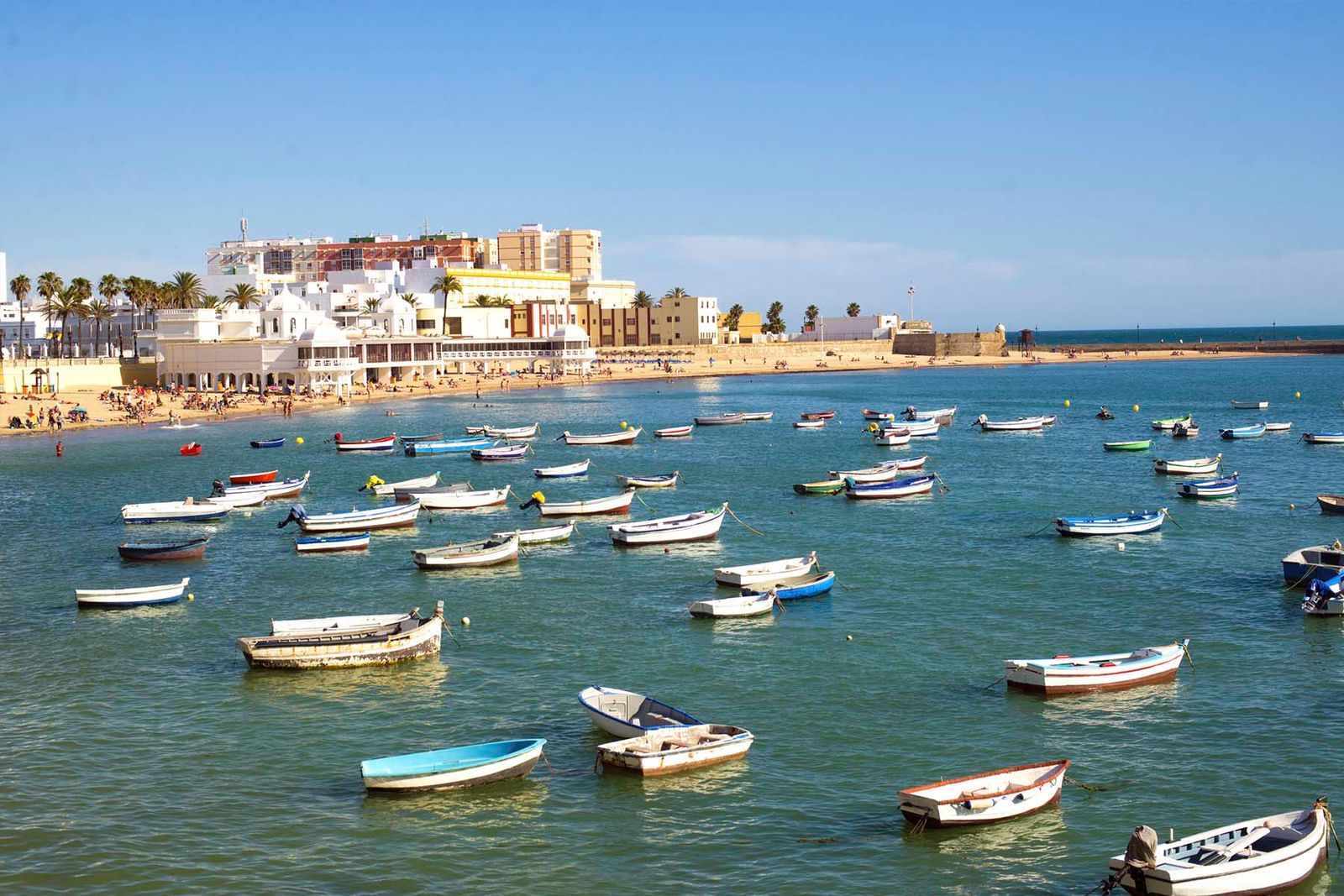
You can follow the waterfront around the Campo del Sur or cut through the centre towards La Caleta. The beach curves between the Castillo de Santa Catalina and the long causeway leading to San Sebastián. Its position close to the old town makes it easy to alternate between swimming and exploring, particularly when the Atlantic wind has other ideas for your beach towel.
How to Spend the Day in Cádiz
- Walk into the old town from the station: Take the waterfront route if you want immediate sea views, or pass through the central streets and market.
- Continue towards La Caleta: Spend a few hours on the beach or walk through the gardens surrounding the Castillo de Santa Catalina.
- Have lunch around La Viña or the Mercado Central: Both place you away from some of the most crowded restaurant terraces immediately beside the cathedral.
- Follow the Campo del Sur: This broad seafront walk carries you around the edge of the old city with the cathedral visible above the water.
- Return to the station on foot: The compact centre removes the need to coordinate a local bus or taxi before your train back to Seville.
Cádiz also works beyond the height of summer. When the weather is too cool for swimming, the seafront still gives a peaceful ambiance. The old town provides plenty to explore before the train carries you back inland.
Sanlúcar de Barrameda: Best for Lunch Beside the Guadalquivir
Sanlúcar de Barrameda is located where the Guadalquivir completes its long journey across Andalucía and opens into the Atlantic. Doñana begins on the opposite bank, giving the waterfront the broad, open character of an estuary.
Bajo de Guía places you directly beside that view. Its restaurants face the water, with fishing boats passing as lunch moves you well into the afternoon. Seafood dominates many menus, including the celebrated langostinos de Sanlúcar when they are in season.
The local wine is manzanilla, a pale and very dry style of sherry aged exclusively in Sanlúcar. Its distinctive character is closely associated with the town’s maritime climate.
The upper part of Sanlúcar should be on your list of things to see before you reach the river. Explore the Castillo de Santiago and the streets of the Barrio Alto, then make your way downhill towards the market and Plaza del Cabildo. You can also visit one of the town’s bodegas, although tours and tastings should be reserved in advance.
Doñana can be entered from this side of the Guadalquivir. Authorised excursions leave from Bajo de Guía and may combine a river crossing with a guided journey through the park. Check current departures and reserve ahead through Visitas Doñana
How to Spend the Day in Sanlúcar
- Begin in the Barrio Alto: Walk around the Castillo de Santiago and the older streets before descending towards the centre.
- Pass through the market and Plaza del Cabildo: Stop for coffee or browse the food stalls before continuing towards the river.
- Make Bajo de Guía your lunch destination: Choose a table overlooking the Guadalquivir and allow the meal to occupy a proper part of the afternoon.
- Visit a bodega: Reserve a tour if you would like to learn how manzanilla is aged and why it belongs specifically to Sanlúcar.
- Choose the Doñana excursion instead of another major activity: A guided visit will take up a substantial part of the day and should shape the rest of your schedule.
- Finish beside the water: Walk along the riverfront or continue towards the beach before returning to Seville.
Getting to Sanlúcar from Seville
Driving is the simplest option and gives you control over the return journey. Public coaches also connect Seville with Sanlúcar, although departure points and timetables may change.
Check the current service through the Bahía de Cádiz Transport Consortium.
Sanlúcar suits travellers who want the day to centre on food, wine, and the meeting point between the river and the Atlantic.
Chipiona: Best for an Easy Swim
Chipiona makes the beach the simplest part of the day. Playa de Regla lies beside the town, with places to eat and drink close to the sand. You can arrive, choose your patch and remain by the water for as long as the weather allows.
When you feel ready to walk, the seafront leads towards Chipiona’s lighthouse. At 69 metres, it is considered the tallest in Spain, although access to the tower depends on current visiting arrangements.
The corrales de pesca introduce a much older chapter of Chipiona’s relationship with the Atlantic. These stone enclosures trap fish as the tide retreats and can only be properly appreciated when the water level is right. Check the tide before setting out, then view them without climbing onto the walls or disturbing anyone working there.
For beach information, lighthouse visits and local heritage, consult the Chipiona tourism website.
How to Spend the Day in Chipiona
- Begin at Playa de Regla: Arrive early enough to enjoy the beach before the strongest afternoon sun and the busiest part of the day.
- Walk towards the lighthouse: The promenade makes this an easy break from swimming. Check beforehand if visits to the tower are available.
- Stop for lunch near the coast: Seafood is the natural choice, although the central streets give you options beyond the restaurants directly facing the beach.
- Look for the fishing corrals at low tide: Their visibility depends on the sea, so consult the tide times rather than leaving this part of the day to chance.
- Return to the water: Chipiona does not need an ambitious sightseeing schedule. Keep the afternoon open for another swim or a longer walk along the shore.
Getting to Chipiona from Seville
Driving is the quickest and most flexible option, particularly if you are carrying beach equipment or want to remain for sunset.
Direct coaches also connect Seville and Chipiona, but departure points and schedules can change. In 2026, the Seville departure point moved to Prado de San Sebastián, making it especially important to confirm the current station before travelling.
Check current journeys and buy tickets through Damas
Chipiona is our choice when swimming sits at the centre of the plan. The town gives you enough to explore between visits to the water, but it never pressures you to abandon the beach for a checklist.

Which Cádiz Coast Destination Should You Choose?
- Choose Cádiz city if you are travelling without a car or want historic streets with your beach.
- Choose Sanlúcar if lunch, wine and the Guadalquivir matter more than a full day of swimming.
- Choose Chipiona for an uncomplicated beach day close to the town centre.
- Stay overnight farther south if you are considering Conil, Bolonia or Tarifa.
Grazalema or Zahara de la Sierra: Best for Mountain Scenery
The Sierra de Grazalema brings you into a steeper, rockier side of Andalucía. Limestone peaks rise above reservoirs, and white villages appear along roads that twist through the mountains. It is one of the longest excursions in this guide, so the destination deserves a full day of its own.
Choose between Grazalema and Zahara de la Sierra rather than attempting to add both villages and Ronda to the same journey. Grazalema suits a day built around walking. Zahara is the better fit when you want a shorter climb followed by plenty of time to enjoy the view.
Choose Grazalema for Walking
Grazalema sits beneath the Sierra del Endrinal, surrounded by pale limestone and green mountain slopes. The village makes a comfortable base for a walk, with places to eat once you return.
Select your route before leaving Seville. Several trails within the natural park have controlled access, including the celebrated El Pinsapar path through the Spanish fir forest. Prior authorisation may be required, and fire restrictions can change access during warmer months. Consult the official El Pinsapar trail information instead of relying on an old route saved to your phone.
How to Spend the Day in Grazalema
- Arrive with a route already chosen: Check its distance, difficulty and access requirements before travelling.
- Walk during the cooler part of the day: An early start leaves you with more comfortable temperatures and enough daylight if the trail takes longer than expected.
- Return to Grazalema for lunch: The village gives you somewhere warm and welcoming to settle after the walk.
- Explore the centre afterwards: Follow the sloping streets at your own pace and stop at one of the viewpoints before driving back to Seville.
Choose Zahara for the View
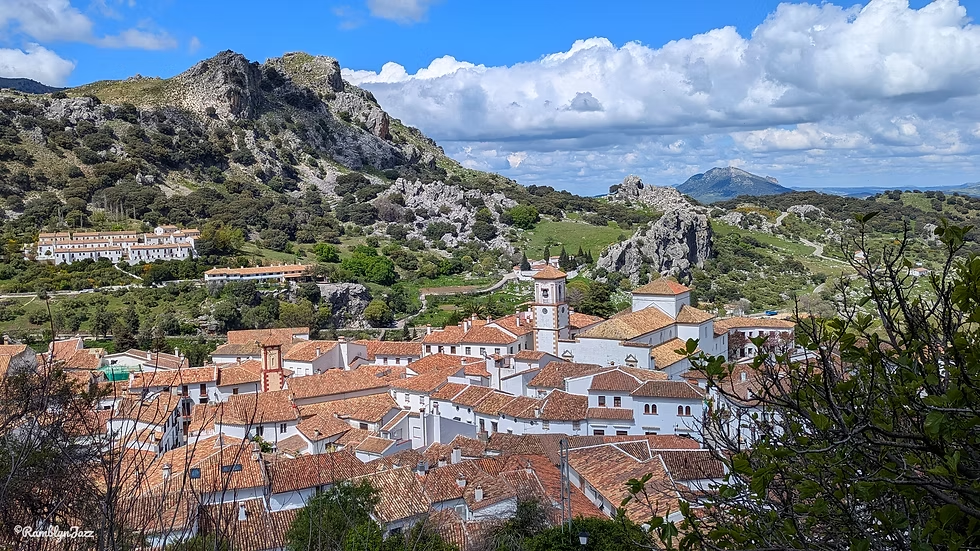
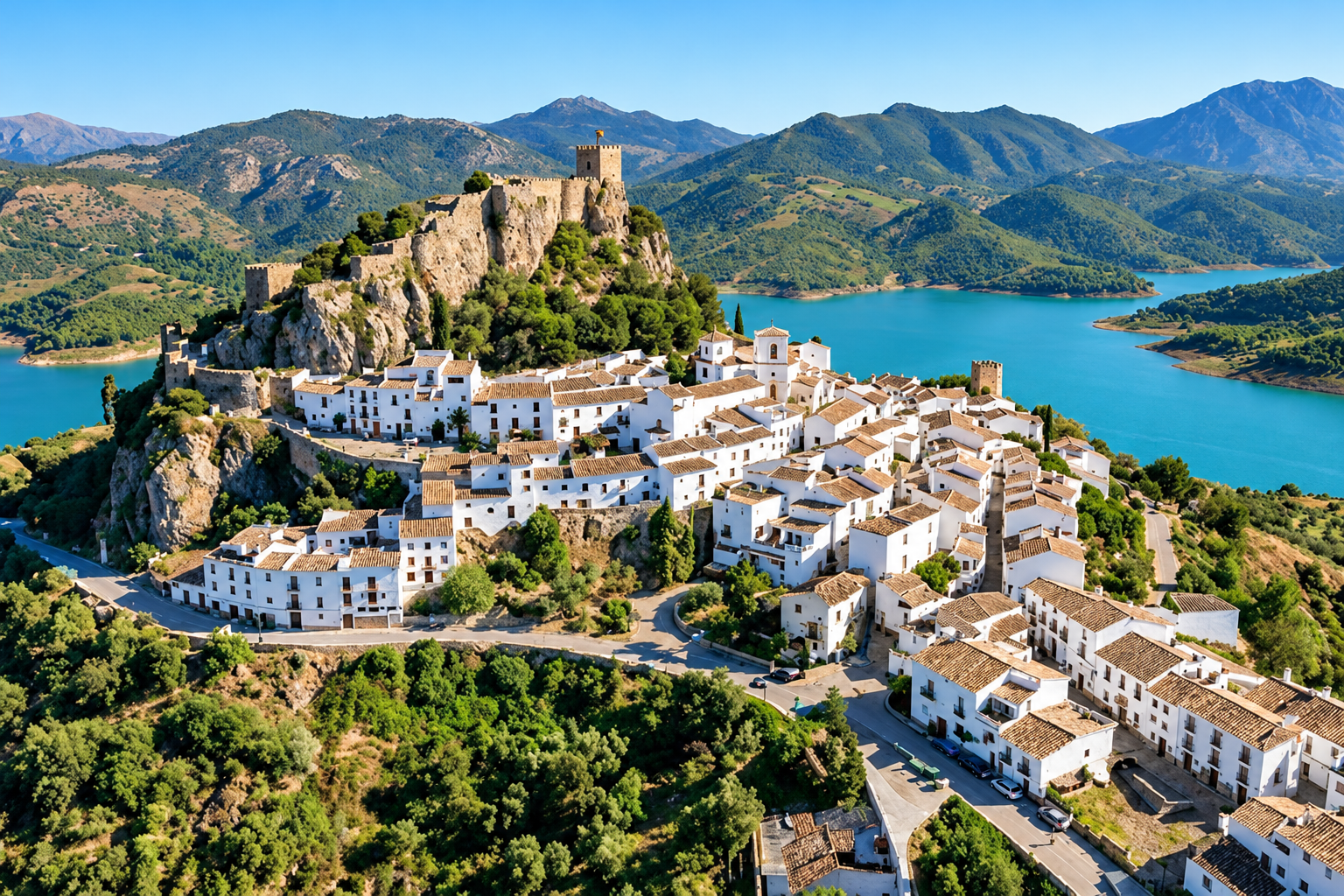
Zahara de la Sierra occupies a spectacular position above the Zahara-El Gastor reservoir. White houses cover the lower slope, followed by a rocky ascent to the remains of the medieval castle.
The climb through the village is steep, and the final approach to the castle requires suitable footwear. You can still appreciate Zahara without reaching the highest point. Views across the reservoir open from several places along the hillside, allowing you to decide how far your legs are willing to negotiate with the incline.
How to Spend the Day in Zahara de la Sierra
- Begin in the lower village: Wander through the white streets before the uphill sections begin.
- Climb towards the castle: Continue as far as feels comfortable, stopping at the viewpoints along the way.
- Take your time over lunch: After the ascent, choose a table in the village and keep the afternoon uncomplicated.
- Stop beside the reservoir if time allows: A short waterside pause offers another perspective on the village and its dramatic position above the lake.
Getting There from Seville
A car remains the most practical choice for visiting Grazalema or Zahara independently. Public transport offers too little flexibility for a comfortable day trip, particularly once walking routes and mountain roads enter the plan.
Organised excursions provide an alternative if you would rather leave the driving to someone else. Several companies operate full-day tours from Seville through the White Villages, commonly visiting Zahara, Grazalema and Ronda before returning that evening. Naturanda offers a private version with round-trip transport, and shared coach tours can also be booked through companies such as Buendía. These are generally long, structured days with limited time in each destination, so check the itinerary carefully before booking.
If you drive, leave Seville early and try to complete the winding sections before nightfall.
A Day Trip to Málaga Province
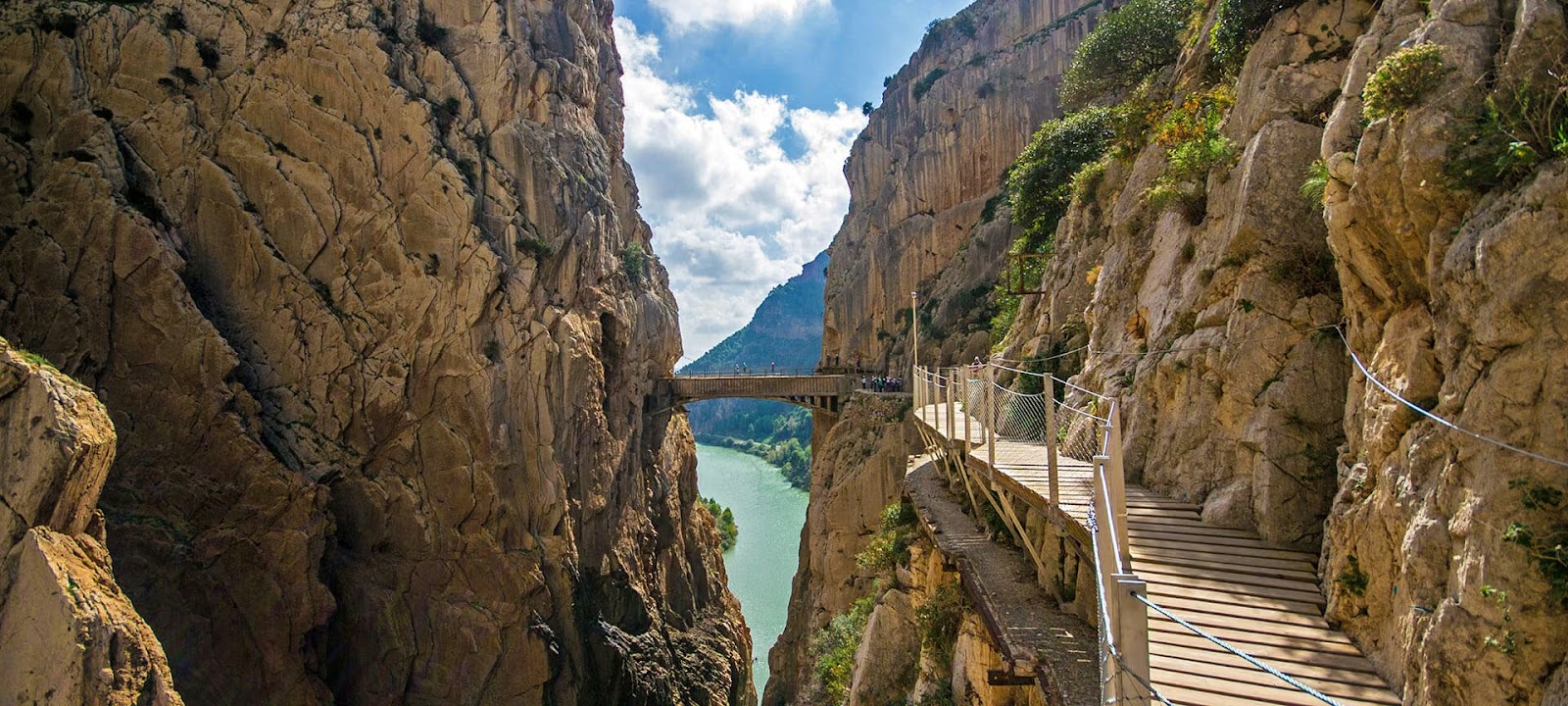
El Chorro is the farthest destination in this guide, but it offers something entirely different from the other day trips. The train carries you deep into Málaga’s limestone country, where reservoirs appear between the mountains and the walls of the Gaitanes Gorge rise above the railway.
The principal reason to make the journey is the Caminito del Rey. Its timber walkways cling to the interior of the gorge, more than 100 metres above the river in places. Once you enter, the route leads in one direction through a landscape that would otherwise be inaccessible to most visitors.
Choose El Chorro if you want:
- A mountain excursion that can be reached by train
- One exceptional walk to occupy most of the day
- A route through high gorges and suspended walkways
- An experience you are happy to reserve and organise beforehand
El Chorro and the Caminito del Rey
The Caminito del Rey follows the Desfiladero de los Gaitanes through narrow limestone corridors and sections of open valley. The original path was created for workers at the nearby hydroelectric facilities. Today’s restored walkways provide secure access, although their position against the cliff still makes the height impossible to ignore.
Admission is controlled, tickets are timed and the route can close when wind, extreme heat or other weather conditions make access unsafe. Children under eight cannot enter. Buy your ticket before arranging the rest of the day; popular dates may sell out well in advance.
This is also one place where practical clothing genuinely matters. Wear closed shoes with reliable grip and bring enough water for the full route. Helmets are supplied and must remain on where instructed.
How to Spend the Day at El Chorro
- Reserve the Caminito first: Your admission time determines which train or driving schedule will work.
- Allow time to reach the northern entrance: The railway station lies near the end of the route, so you will need the shuttle bus before beginning the walk.
- Arrive at the control point early: Reaching El Chorro is only part of the journey. The walk from the northern shuttle stop takes approximately 30 minutes or an hour, depending on the access path you choose.
- Complete the Caminito at an unhurried pace: Stop where permitted and take in the scale of the gorge, but continue moving when staff or signs request it.
- Finish in El Chorro: The route returns you to the southern side, close to the village and railway station. Depending on your return time, you may have room for a drink or something to eat.
- Protect your journey home: Leave a generous margin before the train to Seville. Services are limited, and missing one can unravel the rest of the evening.
Arriving by Train
Selected Media Distancia trains between Seville and Málaga stop at El Chorro–Caminito del Rey. Not every service does, and only a small number may align with your admission time.
Search your exact travel date on Renfe before purchasing the Caminito ticket. Check both directions carefully. Finding a suitable train from Seville is only useful if there is also a realistic service home after you finish.
El Chorro station is near the southern exit of the Caminito. The walk begins at the northern access near Ardales, reached by shuttle bus. After getting off near El Kiosko, you must continue on foot to the visitor-control point.
The official access information explains the different approach paths and the time required for each one.
Arriving by Car
Driving gives you more control over the beginning and end of the day, although it does not remove the need for the shuttle. The Caminito is a linear route, so you will not finish where you began.
Parking is available near the visitor centre and designated access areas. Decide where you intend to leave the car before travelling, then use the shuttle to connect with the appropriate end of the trail. The journey between the northern and southern areas generally takes around 15 to 20 minutes.
Consult the official parking and shuttle guidance for current stops, schedules and arrangements.
Taking an Organised Tour from Seville
A guided excursion removes the most awkward part of the planning. Transport, admission, and the route itself are coordinated for you, which may justify the higher price if the train schedules refuse to cooperate.
Naturanda operates a Caminito del Rey day trip from Seville with return transport, admission and a professional guide. The published duration is approximately 10 to 12 hours, so expect the excursion to occupy the entire day. Check the departure point, language and cancellation terms before booking.
Before Choosing Your Day Trip
A few decisions will narrow the list quickly:
- No car: Choose Cádiz first. Aracena and El Chorro are possible when the timetables align, but both require advance planning.
- A substantial walk: Compare Cerro del Hierro with Caminito del Rey. The first allows more independence; the second requires a timed ticket and coordinated transport.
- Wildlife: Build the day around Doñana and reserve an authorised visit if you want to enter the protected interior.
- Swimming: Choose Chipiona for an uncomplicated town-and-beach day
- Food beside the water: Sanlúcar is difficult to beat.
- White villages and mountain roads: Choose either Grazalema or Zahara rather than attempting both.
- A little of everything: Aracena remains our recommendation.
Why We Keep Choosing Aracena
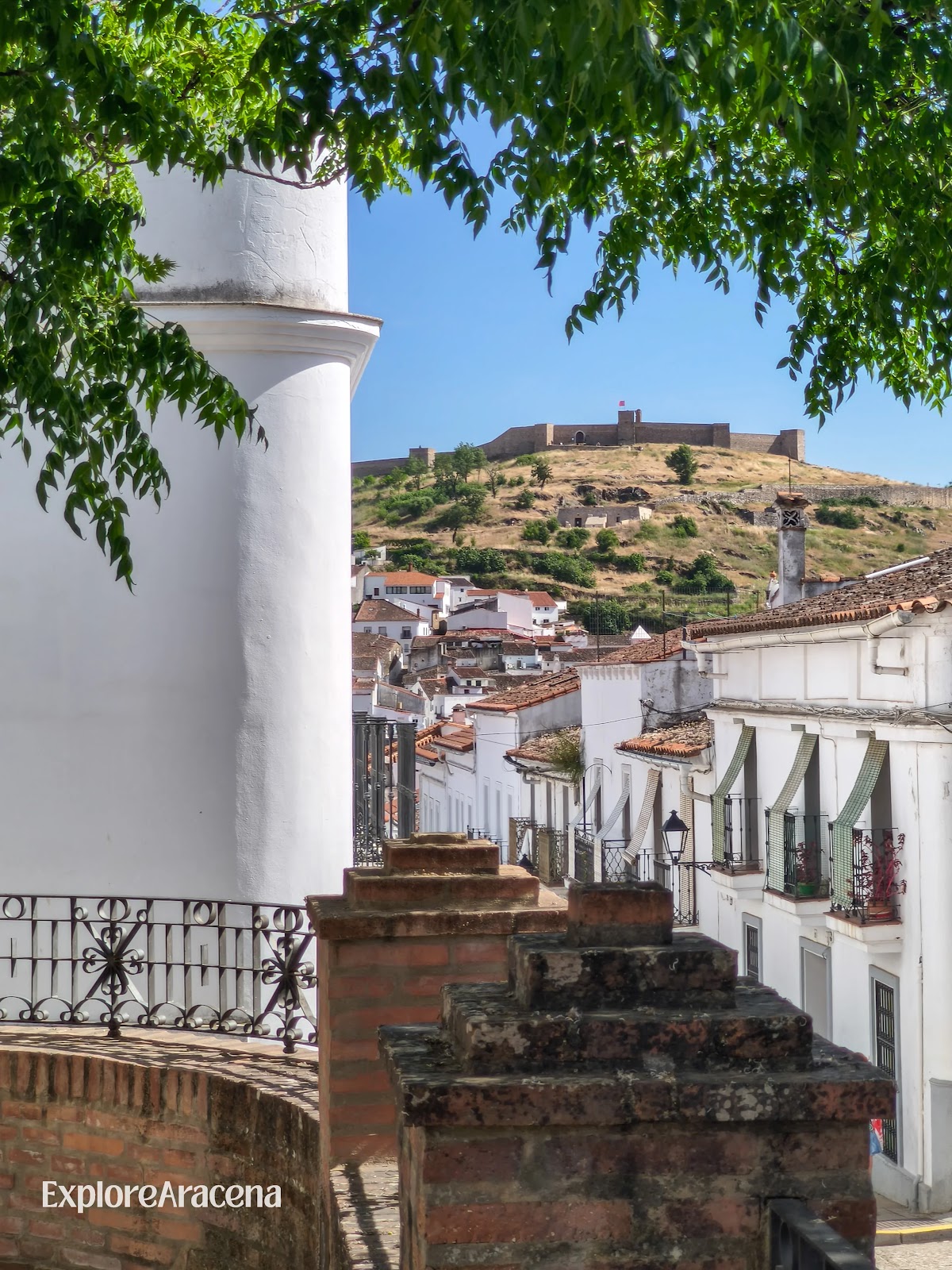
We have returned to Aracena enough times to know that one visit never feels quite like the last. One of the things we love most about Aracena is that you only need to plan one part of the day. Book your cave ticket in advance; everything else can be decided after you arrive.
That is why we recommend it so confidently from Seville. Aracena gives you nature and excellent food without requiring hours of organisation. The day can unfold enitrely on foot once you get there. There is plenty to experience, yet you never feel as though you are racing across town to keep up with it.
It also grows easily beyond a day trip. Stay for the weekend, and the surrounding villages come into reach. Walking routes take you farther into the Sierra and inevitably provides a reason to return. Aracena works beautifully for one day, but we suspect you’ll discover a desire to return for more!
Choose One Place and Give It the Day
By now, one destination has probably started to sound like your kind of day. Trust that instinct. There is no advantage in adding another town simply because it appears nearby on the map.
Aracena remains our first choice. We have returned many times and continue to find something worth writing about, eating or following farther into the Sierra. For a first escape from Seville, it offers an extraordinary amount without asking you to spend the day in transit.
Whichever direction you choose, go early and stay long enough to enjoy being there. Seville will still be waiting when you return.