Aracena Walking Tour: A Slow Afternoon from the Market to the Castle
Aracena Walking Tour: A Slow Afternoon from the Market to the Castle
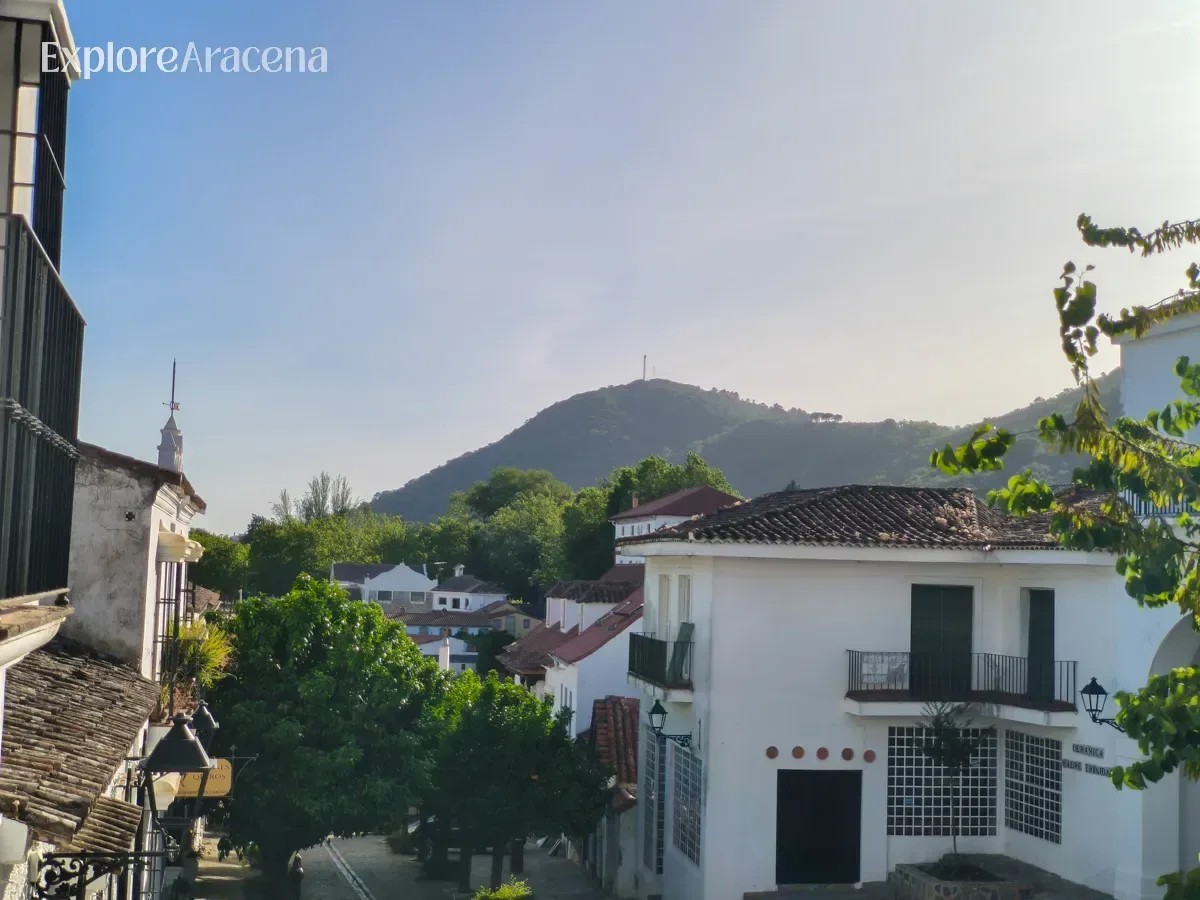
Follow our personal, slow-travel walking route through Aracena. From the market to a long family-run lunch, jamón shops, optional Gruta tickets, and a gentle climb to castle views. Practical tips included so you can copy the day exactly or adapt it to your own pace.
You could spend a week in the Sierra de Aracena and still miss the best bits if you rush through it like a checklist. But you can also have one of those rare travel days where everything feels stitched together: market chatter, a long lunch, a stranger giving directions, and a slow climb to a hilltop view.
This is our personal walking-tour in Aracena: the route we follow when we arrive in town, start at the market, and then let the streets pull us deeper into local life. It’s written for you to copy as-is, or to adapt based on what you’re craving (food, history, jamón, views, or just a gentle day that doesn’t ask too much of you).
Stops on This Walking Tour
Mercado de Abastos
Restaurante José Vicente
Hermitage (North of Aracena) and Ermita Santa Lucia
Plaza de Toros
Plaza Marqués de Aracena
Confitería Rufino
Panadería La Molinilla
Jamones y Embutidos Niño Manuel
Plaza de Doña Elvira
Gruta de las Maravillas
Plaza de San Pedro
Plaza Alta
Castillo de Aracena
Taberna Rincón de Juan
Before you start: how this walking tour works (and what to book)
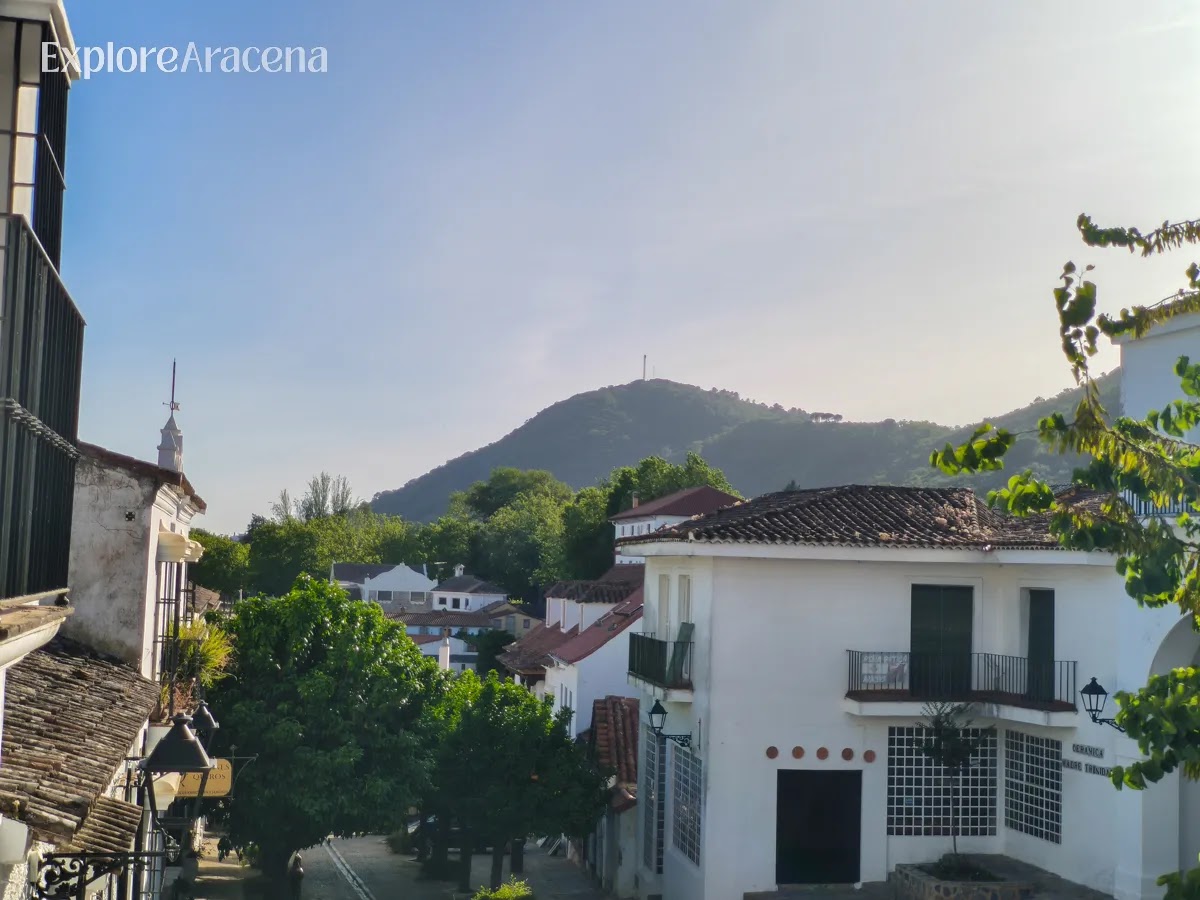
Aracena is compact, but it’s not flat. Expect a few short climbs, a couple of cobbled lanes, and plenty of excuses to stop. If you do the full route, from market to castle views and back down for a light evening bite, you’re looking at a relaxed 4–6 hours, including lunch and stops.
A few practical notes that will save you trouble:
Book the Gruta de las Maravillas in advance if you want to include it. Tickets can sell out, especially on weekends and in summer. The official booking page is typically here: https://turismoaracena.sacatuentrada.es/
Aim for a late lunch (very normal here). Many kitchens open around 13:30–16:00 for lunch, and Aracena gets day-trippers.
Wear shoes you can trust on stone. You don’t need hiking boots, but slick soles can turn “charming cobbles” into “why did we do this”.
Go slow on purpose. This route is designed for wandering, not speed.
Mercado de Abastos (Aracena Market) — start with appetite
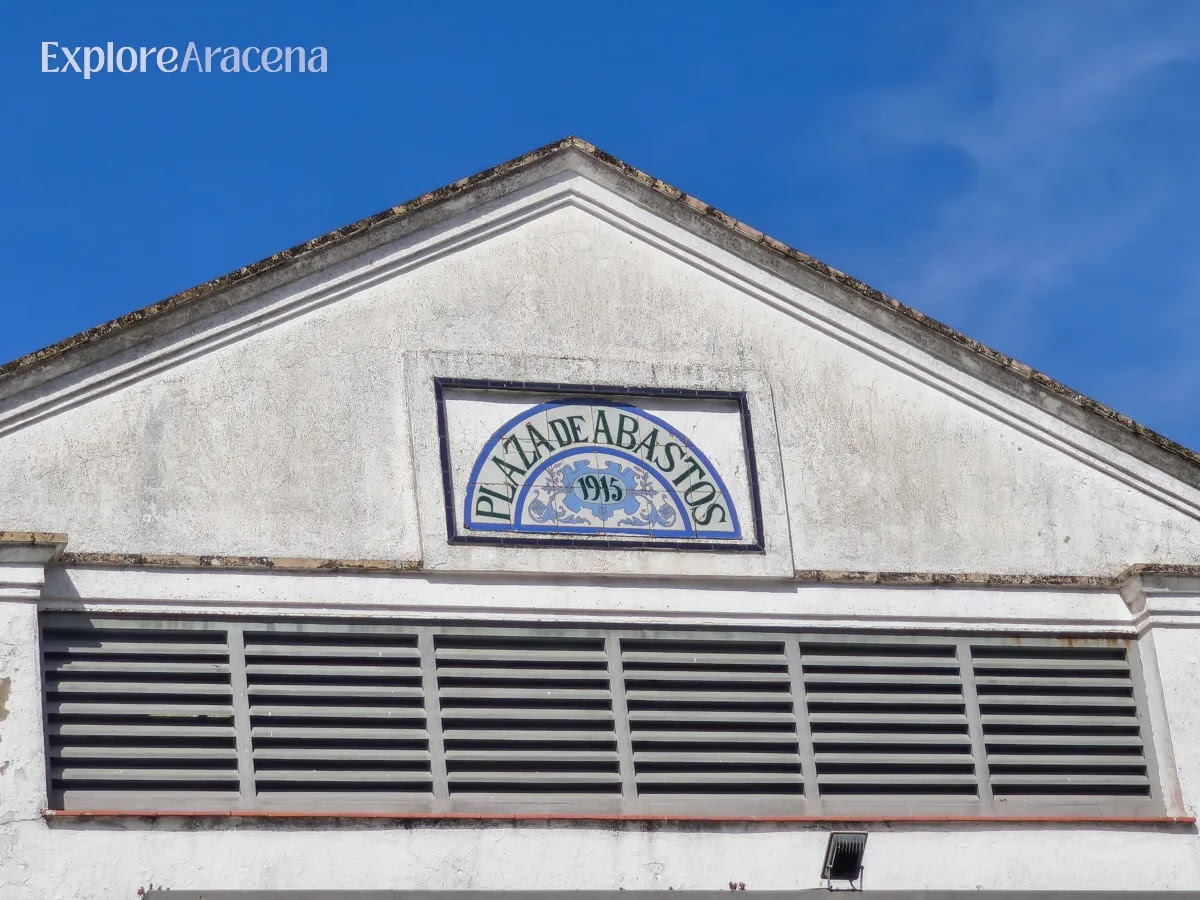
Aracena’s market isn’t huge, but it’s the kind of place that tells you what a town really eats. If you’re visiting in the morning, it’s lively. If you’re arriving closer to lunch, it’s still worth a loop: the smell of cured ham, the quiet pride in local produce, the rhythm of daily life that doesn’t care what day you have planned.
What we do here:
Walk the full loop first, then decide what to buy. You’ll see the same ingredients repeated in different forms: cheeses, olives, seasonal fruit, and the Sierra’s famous pork products.
Ask what’s in season (even if your Spanish is basic). People are used to visitors, and the friendliness here tends to be uncomplicated and genuine.
Pick up a small “walking snack” if you want: fruit, nuts, or something you can nibble later. The rest of the day is better with a backup plan in your bag.
If you want deeper context before you visit, our broader guides help:
Jamón context (because you’ll see it everywhere)
Lunch at Restaurante José Vicente (our “anchor” meal)
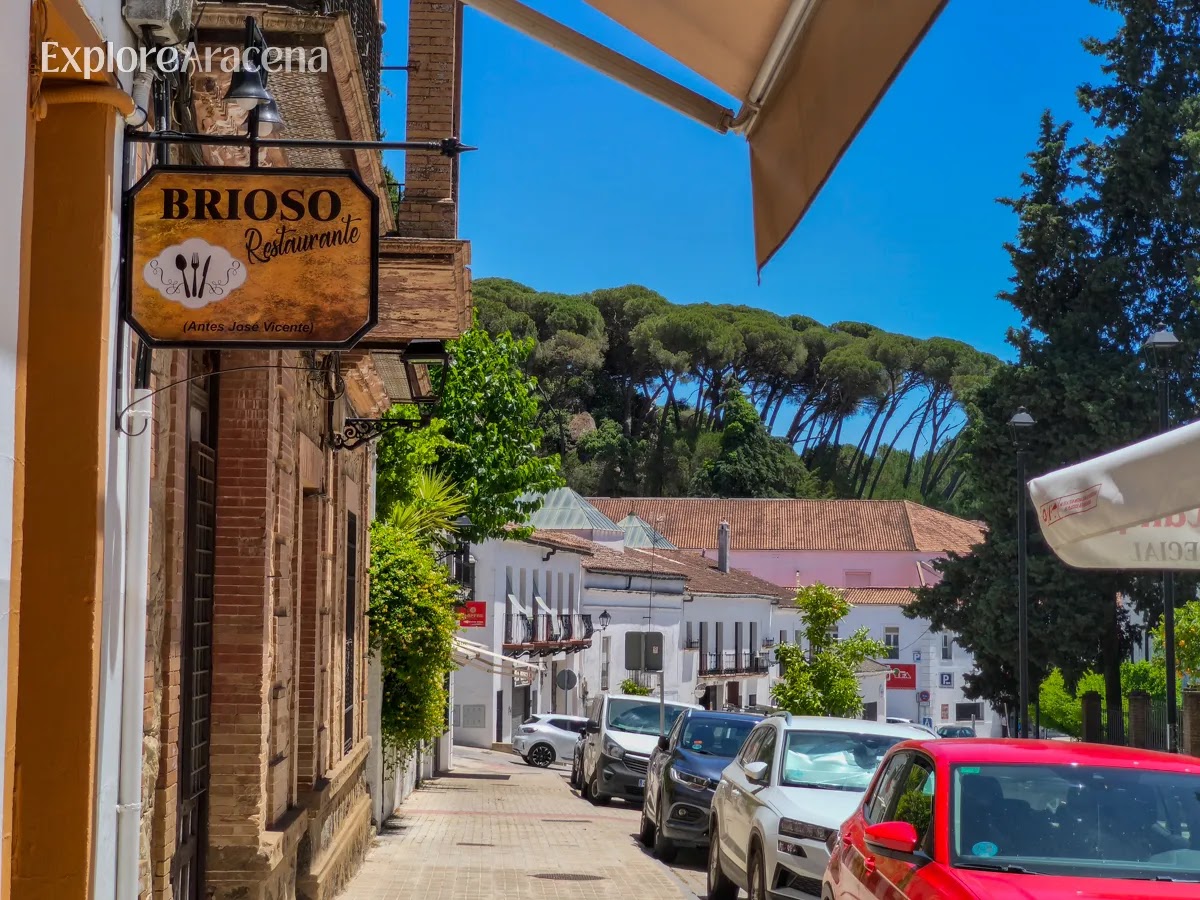
By the time we reached Restaurante José Vicente {recently renamed Brioso), we were ready for the kind of lunch that turns into an afternoon. It’s a multi-generational, family-run place with that specific Andalusian hospitality: warm without being performative, proud without being showy, and genuinely happy that you’ve come. You’re not being “served,” you’re being looked after.
If you’re eating here, a few tips:
Book ahead on weekends (a quick call in Spanish is usually enough, and staff are patient with visitors).
Order in a way that matches the Sierra: jamón and cured meats, mushroom dishes when in season, hearty stews in cooler months, and simple grilled options that taste better than they have any right to.
Don’t rush. This is not “lunch between activities.” This is the activity.
If you’re still choosing where to eat in town:
Hermitage (North of Aracena) and Ermita Santa Lucia
After lunch, you move slightly out of the center toward a small hermitage north of town.
These chapels are part of daily life here. They are not grand landmarks, but quiet, functional religious spaces that have been around for generations.
Why stop:
It shifts the pace after lunch
You start seeing how the town is laid out beyond the center
Then on to Ermita Santa Lucía. These smaller ermitas often serve as gathering points during local festivals or religious days, even if they seem quiet when you visit.
Plaza de Toros
A stop at the Plaza de Toros offers a different lens through which to understand Aracena, one rooted in the town’s social history and changing cultural identity. Built in 1864, this historic bullring once served as a major gathering place, where locals came together not just for spectacle, but for community. Its striking architecture, inspired by the grand bullrings of Andalusia, still hints at the importance it once held in daily life.
Today, the plaza has evolved beyond its original purpose, hosting concerts, festivals, and local events that keep it woven into the rhythm of modern Aracena. Whether admired for its architecture or considered as a reflection of Andalusia’s complex traditions, it’s a thought-provoking stop that adds depth and texture to any walk through the town.
Plaza Marques de Aracena
We included Plaza Marqués de Aracena in our walking tour because it offers the perfect chance to slow down and soak in the everyday rhythm of the town.
As one of Aracena’s central gathering spaces, the plaza is where daily life unfolds: locals meeting for coffee, children playing nearby, and conversations drifting from shaded terraces. Surrounded by traditional Andalusian architecture and welcoming cafés, it captures the relaxed, community-centered spirit that makes Aracena so charming.
It’s more than just a scenic square; it’s a place to pause, people-watch, and experience the town as locals do.
Confiteria Rufino
No walking tour of Aracena would be complete without a stop at Confitería Rufino, a beloved local institution known for its long-standing pastry-making tradition.
Founded in the late 19th century, this historic confectionery has become deeply woven into the town’s identity, drawing both locals and visitors with the irresistible scent of freshly baked sweets. Rufino is especially celebrated for its artisanal pastries and traditional Andalusian treats, offering a delicious taste of the region’s culinary heritage.
Iconic local specialties to look out for:
Yemas de Aracena: One of Rufino’s signature sweets, these delicate egg-yolk confections are rich, silky, and melt in your mouth. A must-try local specialty.
Tocino de cielo: A classic Andalusian dessert made with egg yolks and caramelized sugar, known for its luxuriously smooth, custard-like texture and deep sweetness. Tocino de cielo
Pestiños: Especially popular during festive seasons, these crisp pastries are flavored with anise and citrus, then glazed with honey or sugar for a beautifully aromatic bite. Pestiños
Whether you stop in for a coffee and something sweet or simply admire the charming storefront, it’s a wonderful place to experience one of Aracena’s most treasured traditions.
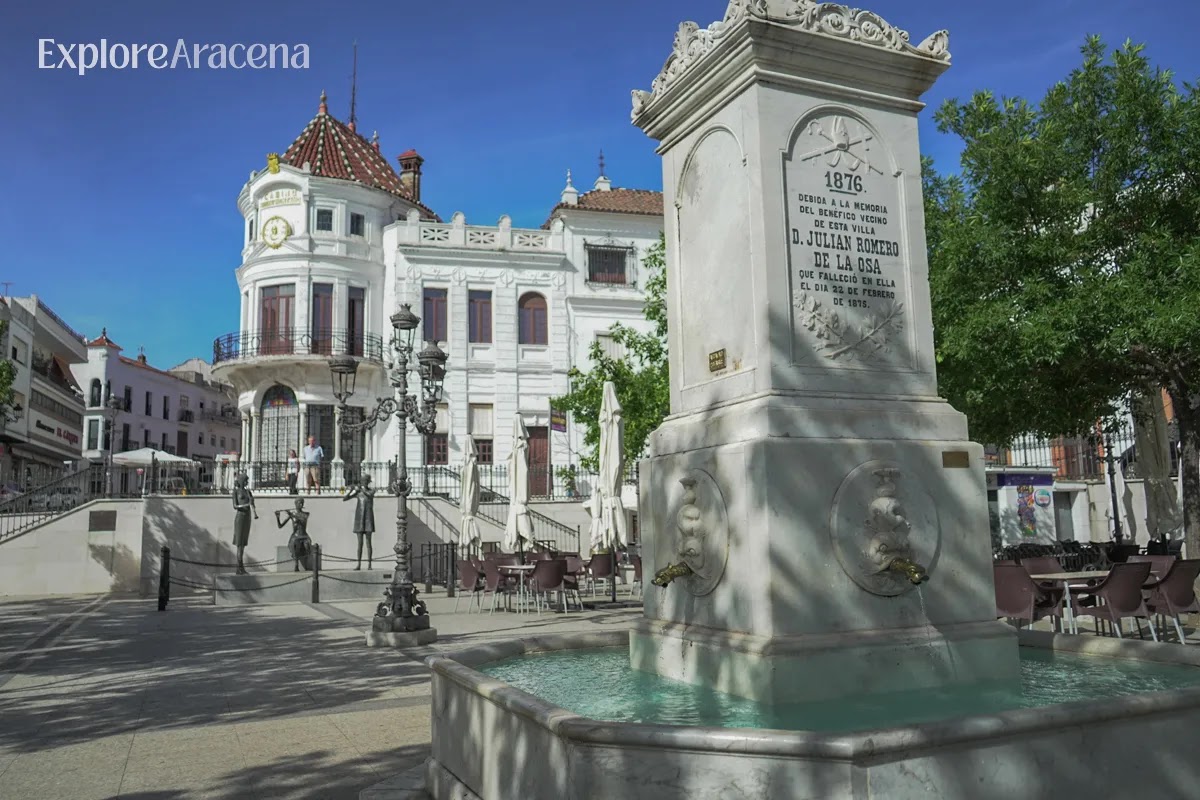
Panaderia La Molinilla
For a taste of Aracena’s everyday culinary traditions, Panadería La Molinilla is a wonderful stop to add to your walking tour.
This much-loved local bakery offers a glimpse into the comforting rituals that shape daily life in the town, where the aroma of freshly baked bread drifts into the street each morning. More than just a place to pick up pastries, La Molinilla reflects the simple pleasures of Andalusian food culture: quality ingredients, time-honoured recipes, and a strong sense of community.
Stopping here is a chance to experience Aracena through one of its most universal pleasures: fresh bread shared around the table.
What we recommend to try:
Rustic country loaf (pan de pueblo): Crusty on the outside, soft and airy inside, perfect for pairing with local cheeses or Iberian ham. Bread
Molletes: Soft, pillowy Andalusian bread rolls traditionally toasted and served with olive oil, tomato, or jamón. Mollete
Traditional pastries: Keep an eye out for seasonal baked treats, from sweet buns to flaky pastries made fresh daily. Pastry
Jamón culture, up close (Niño Manuel, if you’re lucky)
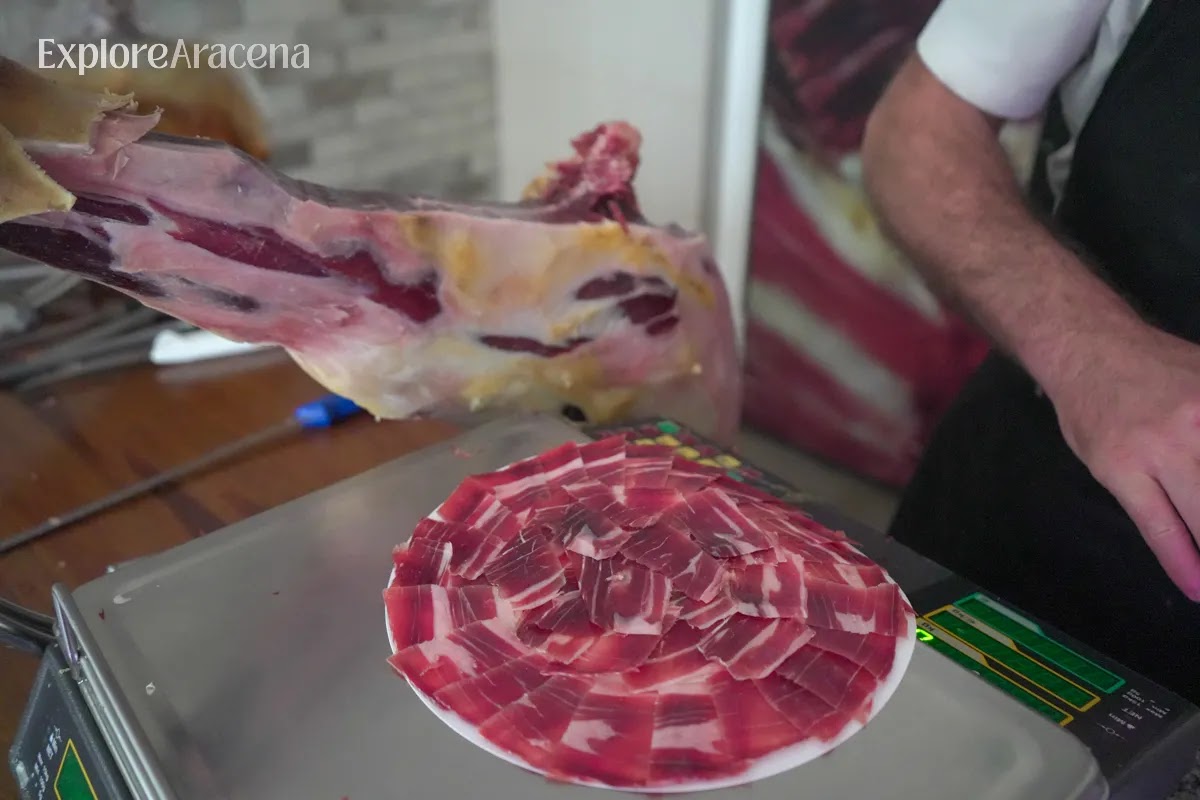
We serendipitously discovered Niño Manuel - a reminder that some of the best travel moments are the ones you never plan for. We had stopped outside to take a few photos when the shop owner stepped out and warmly invited us inside. Sometimes you walk into a shop and it’s simply a place to browse; other times, you step into a space where someone makes you feel part of the story.
During our visit, we were invited to watch a jamón being expertly sliced, one of those small but memorable rituals that feels both beautifully ordinary and deeply rooted in local tradition. In a region where jamón ibérico is central to cultural identity, stops like this offer more than just a tasting; they provide a deeper appreciation for the craftsmanship, patience, and heritage behind every slice.
If you’re hoping to bring some home or sample the very best, look for jamón ibérico de bellota, made from acorn-fed pigs and prized for its rich, complex flavour. Don’t hesitate to ask about the curing time, too; longer curing often creates deeper, more nuanced notes. And above all, savour it slowly. Like a good wine, jamón is best appreciated one bite at a time.
For a deeper guide to choosing and tasting jamón in Aracena, our Jamón Ibérico guide offers a practical introduction before you shop.
Plaza de Doña Elvira
Plaza de Doña Elvira offers another inviting place to pause and take in the rhythm of Aracena. With its open space, shaded corners, and gentle flow of locals passing through, the plaza feels like a natural meeting point within the town.
It’s the kind of place that encourages you to slow down, whether that means sitting for a moment on a nearby bench, people-watching, or simply enjoying the calm atmosphere.
Stops like this reveal one of Aracena’s greatest charms: even its quieter corners feel deeply connected to everyday life and community.
Optional detour: Gruta de las Maravillas (booked, calm, worth it)
If your schedule allows, and especially if you’ve planned ahead, the Gruta de las Maravillas is an optional detour well worth making.
As one of Spain’s most extraordinary cave systems, it offers a striking contrast to the sunlit plazas and winding streets above ground. Descending into the cave feels like stepping into another world, where dramatic limestone formations, underground lakes, and cathedral-like chambers have been shaped slowly over millions of years.
Because visits are guided and tickets often sell out in advance, it’s best to plan this stop ahead of time. While not essential to the walking route itself, for many visitors it becomes one of the most unforgettable experiences in Aracena.
Key advice:
Book tickets first, then build the rest of the walk around your timeslot
Arrive a bit early. It’s not hard, but last-minute stress ruins the mood.
You can review our deep dive guide about Gruta de las Maravillas to see if it’s something you’d like to add to your day and get all the information you’ll need to know.
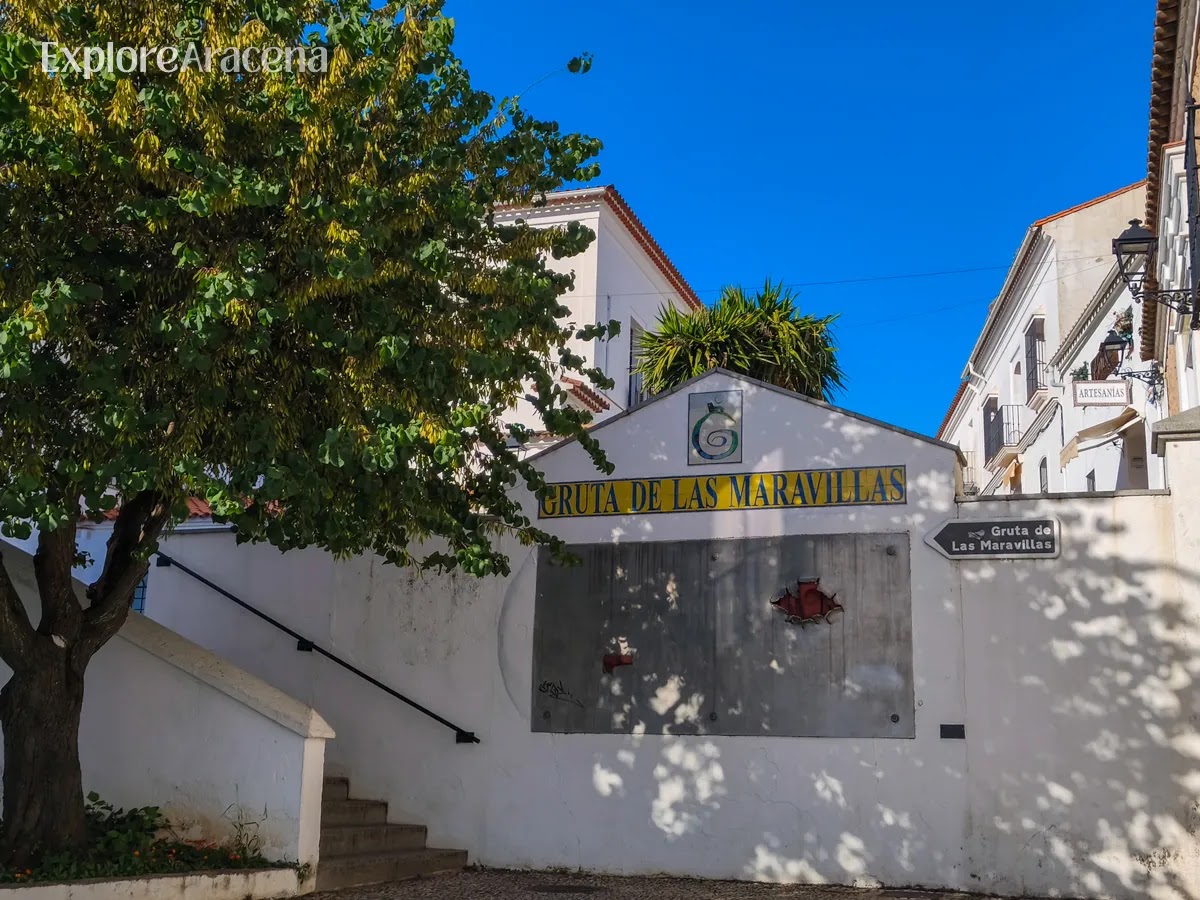
Plaza de San Pedro
Plaza de San Pedro brings a quieter, more reflective energy to the walking tour. Rich with local character, this plaza feels slightly removed from the busier parts of town, offering space to appreciate Aracena’s layered history at a gentler pace.
The surrounding architecture and historic details hint at centuries of daily life unfolding here, while the peaceful atmosphere invites visitors to linger a little longer. It’s a lovely reminder that Aracena’s beauty often lies not only in its major landmarks, but in the quieter spaces between them.
The Historic Heart of Aracena: Plaza Alta
As you arrive at Plaza Alta, the historic heart of Aracena begins to reveal itself more fully.
With its elevated position and strong connection to the town’s oldest quarters, this plaza offers a powerful sense of place, where centuries of history feel close at hand. The surrounding architecture and atmosphere evoke Aracena’s medieval roots, making it an especially meaningful stop as your walk moves deeper into the historic center.
More than just a scenic square, Plaza Alta serves as a gateway to some of the town’s most iconic landmarks, connecting past and present in a way that feels distinctly Aracena.
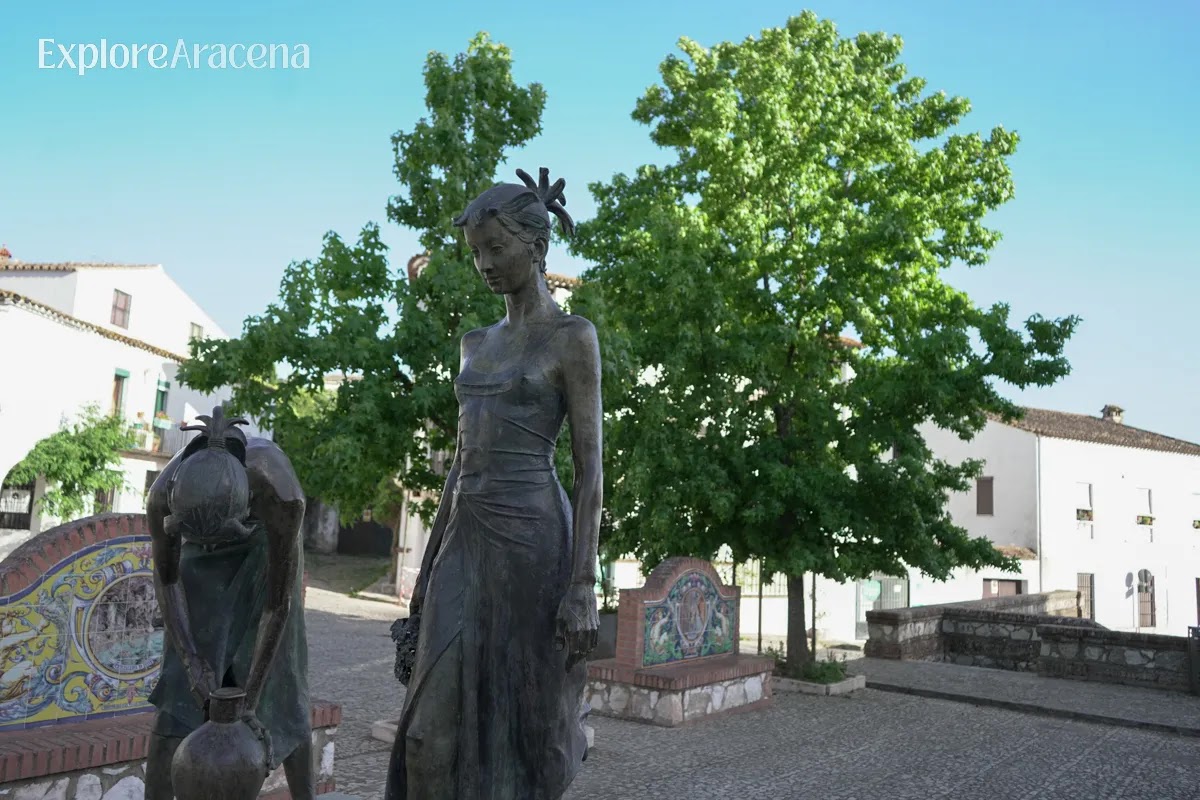
Golden Hour at Castillo de Aracena (and the moment the town opens up)
As the day begins to soften, make your way to the Castillo de Aracena for golden hour, arguably one of the most magical times to experience the town. Perched high above Aracena, the castle rewards the climb with sweeping views over terracotta rooftops, rolling hills, and the vast landscape of the Sierra beyond. In the warm evening light, the stone walls seem to glow, and the town below takes on an almost dreamlike stillness.
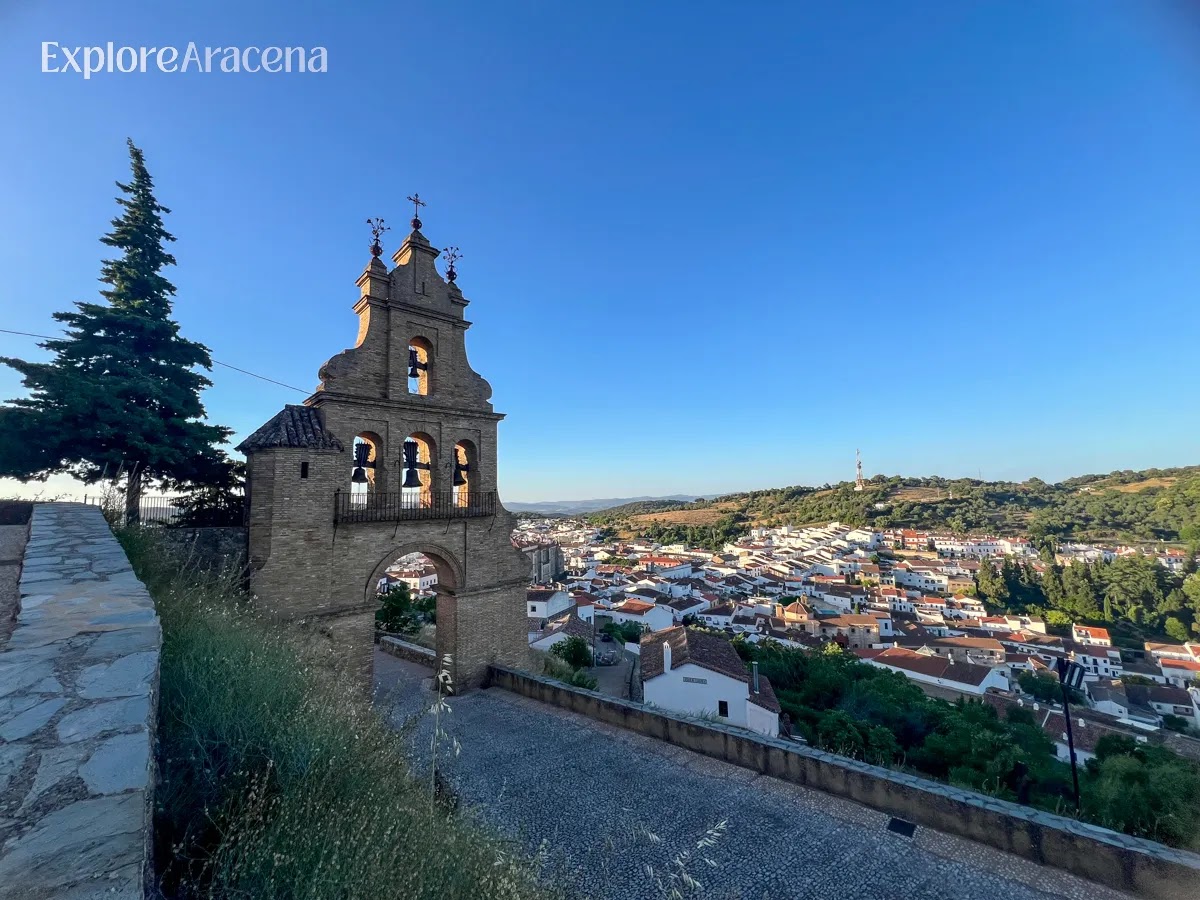
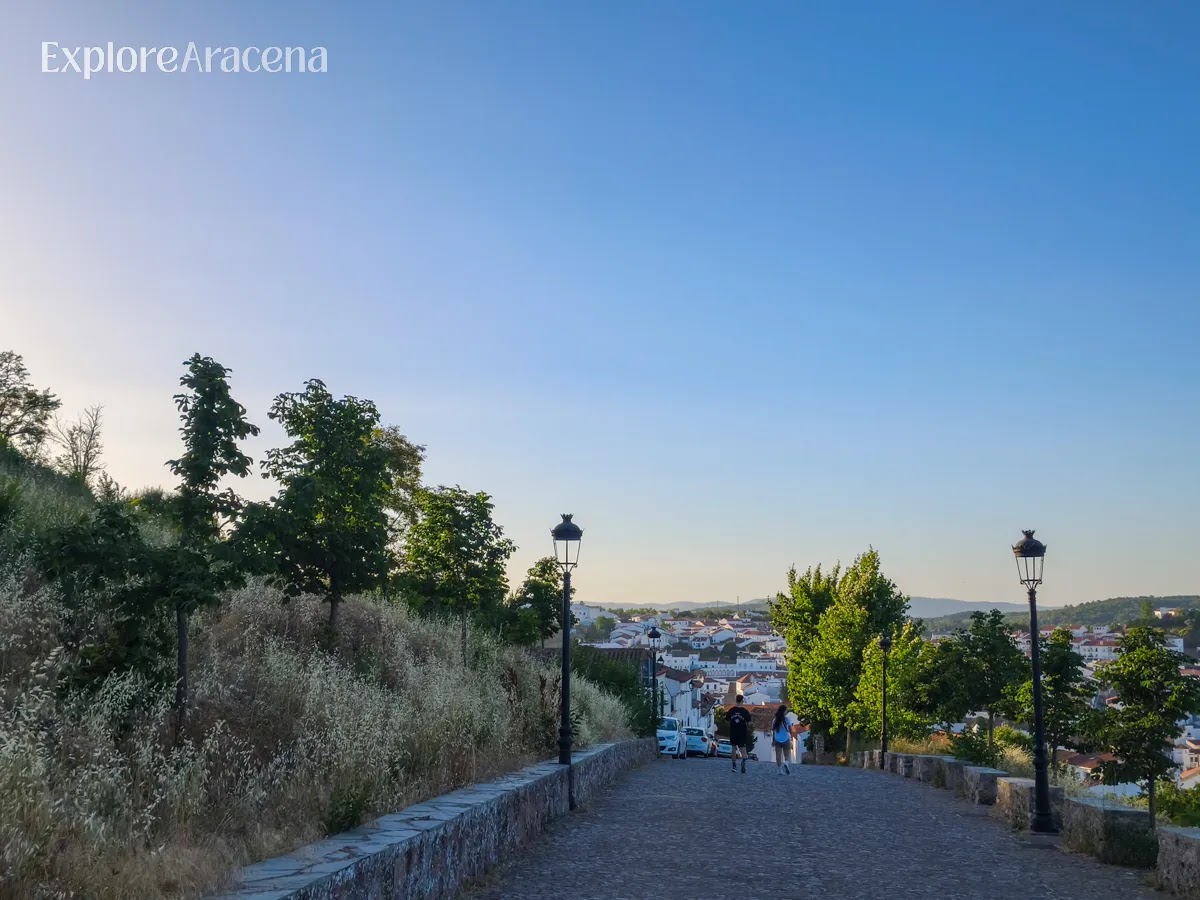
Getting there became one of our favourite memories of Aracena, an experience that is a testament to the kindness of locals. At one point, slightly turned around, we asked a woman for directions. What followed was one of those meaningful travel moments: warm smiles, shared laughter, and a kindness that needed very little shared language to be understood. Not only did she provide us with directions, but she decided to walk with us part of the way. It reminded us that what makes a place memorable is often not just the landmarks themselves, but the people who bring them to life.
In Aracena, that warmth seemed to meet us again and again.
If you want practical background on the castle and the historic setting, the official town site is useful.
Tapas at Taberna Rincón de Juan
After a day spent wandering through plazas, bakeries, jamón shops, and centuries of history, there’s no better way to end your walk than gathered around a table with good food. For us, that final stop was Taberna Rincón de Juan, where the evening naturally slowed into the relaxed rhythm of shared tapas and conversation.
This is where Aracena reveals one last layer of its charm. Plates arrive to the centre of the table, glasses clink, conversations spill into the night, and the boundaries between locals and visitors feel wonderfully blurred. Whether you order classic Andalusian tapas, local cheeses, or, of course, more exceptional jamón ibérico, dinner here feels less like the end of an itinerary and more like an invitation to linger.
And perhaps that’s the best way to understand Aracena. Not as a checklist of sights, but as a place best experienced slowly: through shared meals, unexpected conversations, quiet plazas, and the generous spirit of the people who call it home. Long after the castle views fade and the last tapas plate is cleared, that feeling is what stays with you. If you're curious how Aracena compares to other Andalusian towns, that's worth a read before you plan your route.