The Best Time to Visit Aracena: A Seasonal Guide
The Best Time to Visit Aracena: A Seasonal Guide
When is the best time to visit Aracena? From wildflower-filled spring walks to autumn’s mushrooms, chestnuts and jamón, each season brings a different rhythm to this mountain town.
The Best Time to Visit Aracena: A Month-by-Month Guide
From spring wildflowers and long walking days to autumn mushrooms, chestnuts and jamón, every season reveals a different side of the Sierra.
The Short Answer
If you’re wondering about the best time to visit Aracena, here’s how we like to put it: spring (March to May) and autumn (October to November) offer the most rewarding experiences for hitting everything on the checklist.
Spring is when everything feels alive again. Green hills roll out in every direction, wildflowers take over the fields, and the air invites you outside for longer than you planned. Autumn, on the other hand, is when Aracena leans into what it does best: food, tradition and a slower, richer rhythm. Think mushrooms, chestnuts and the acorn-rich montanera season.
Both seasons feel balanced, grounded and deeply connected to the landscape that defines this part of Andalusia. If you’re travelling with intention, these are the moments that stay with you.
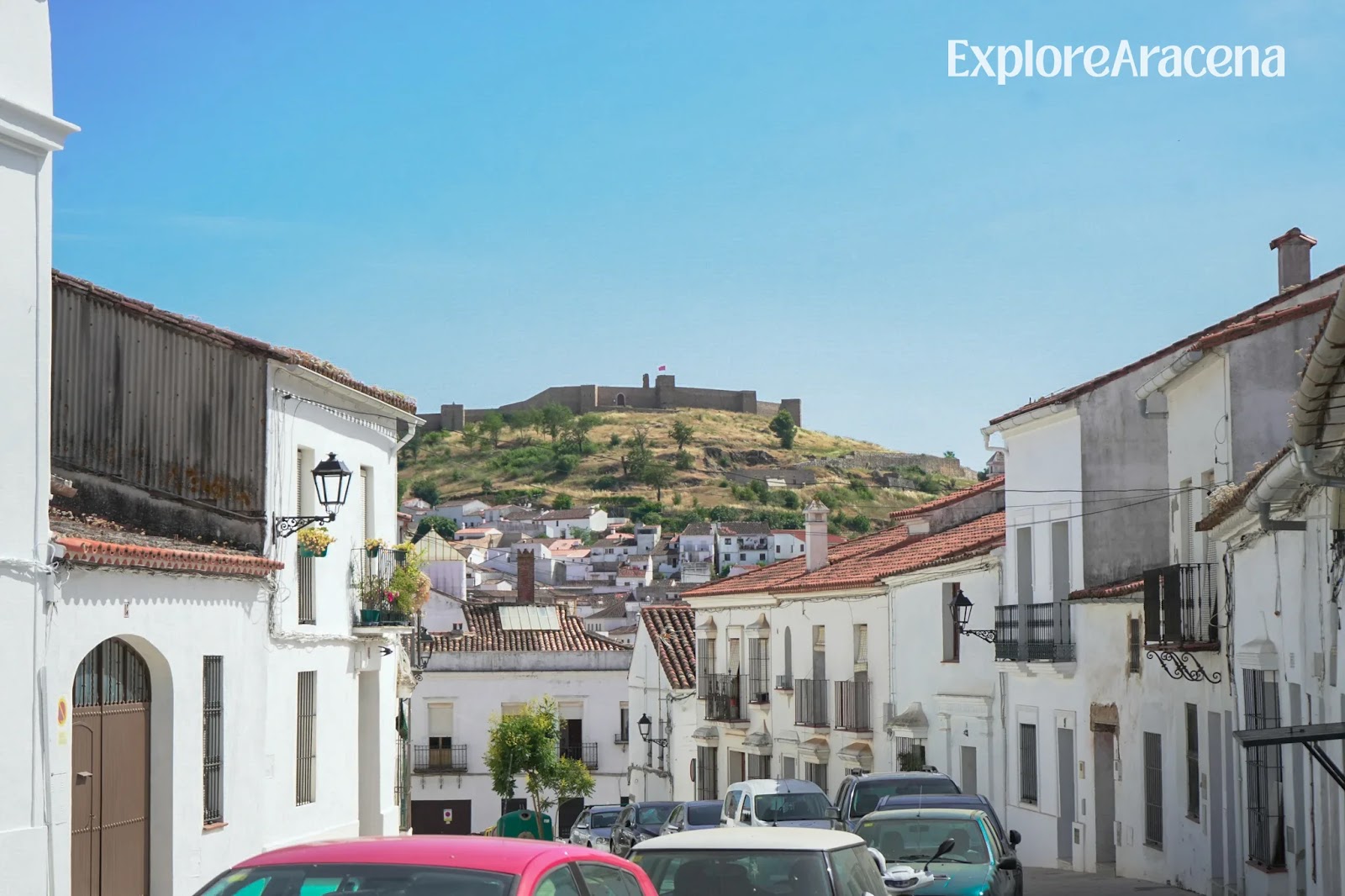
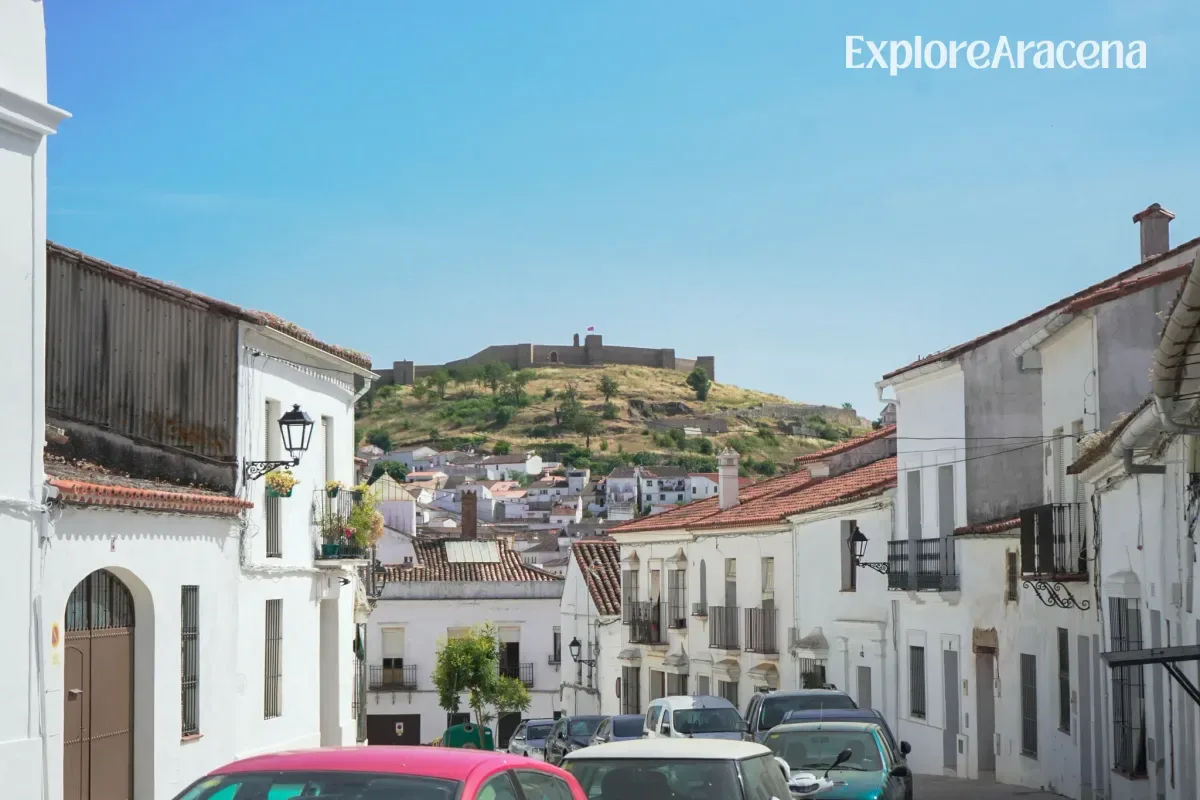
Aracena Castle watches over the town from its hilltop, framed by whitewashed streets and blue Andalusian skies.
Month by Month
January & February
Winter in Aracena is quiet in a way that feels increasingly rare in todays world. We’ll be honest: it’s not the most obvious time to plan a trip. But if you’re someone who values atmosphere over convenience, this season can be magnetic.
Mornings are cold, sometimes brushing freezing, and the town wakes slowly. Streets stay still a little longer and cafés feel more local than usual. By night, the temperature drops quickly, reminding you that this is mountain Andalusia, not the coast. You’ll soon discover that layers are necessary!
There are fewer visitors, and yes, some restaurants reduce their hours. But what you gain is space and solitude. Out in the countryside, the dehesa feels raw and elemental. Mist lingers between the oak trees, and everything takes on a softer, more introspective tone.
We tend to think of this as Aracena at its most reflective. It’s not for everyone, but for the right kind of traveller, that’s exactly the point. Winter in Aracena feels like the soul of slow travel.
March to May
For most travellers, March to May is the best time to visit Aracena, Spain. This is when the town truly opens up. Spring doesn’t arrive subtly here; it shifts the entire mood of the landscape. Hills turn green, wildflowers scatter across open fields, and suddenly, spending the entire day outside feels like the only plan worth making. There is a touch of magic in the air that you can almost see reflected in the glimmer of your eyes.
Days are generally mild to warm, which means you can walk, explore, and linger without thinking too much about the heat. If you’re someone who travels to connect with a place through movement, this is your season.
The Sierra de Aracena and Picos de Aroche Natural Park feels especially generous at this time of year. Trails are inviting, the gradually longer light stretches your day, and there’s a sense of ease to everything. We find ourselves returning to routes between Aracena and Linares de la Sierra, the quiet circular walks around Fuenteheridos, and the ridge views near Alájar. Each offers something slightly different, but in spring they all feel rewarding and enjoyable in the best way.
If you’re planning your trip around hiking in the Sierra de Aracena, spring gives you the freedom to go further without battling the heat. In town, the walk from the market to the castle is an easy way to experience Aracena at street level.
One thing to keep in mind: Semana Santa (Holy Week) brings a shift in energy. The town becomes more vibrant, more social and more alive. It’s a beautiful time to witness local tradition, but accommodation fills quickly, so it’s worth planning ahead.
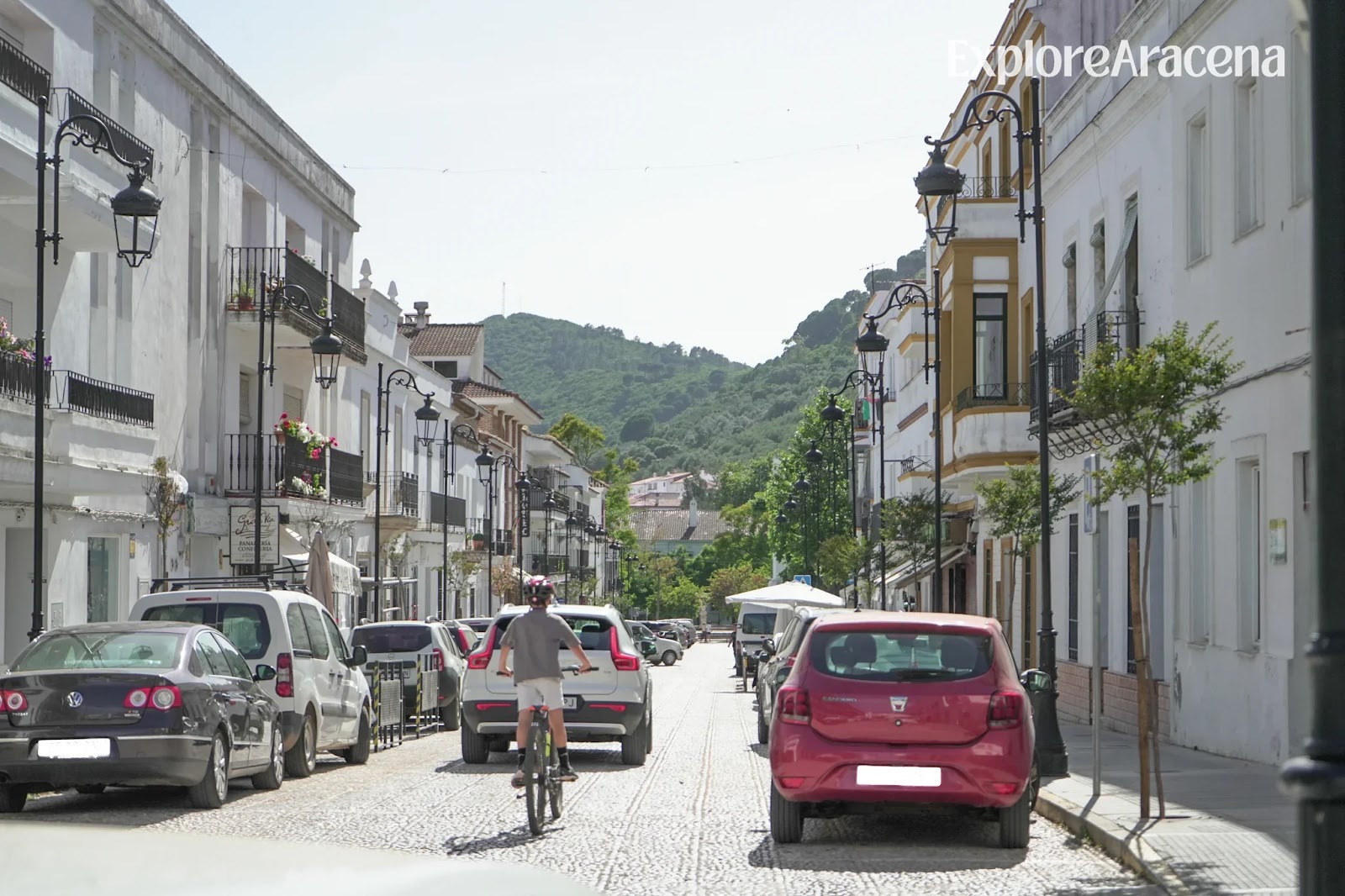
Exploring Aracena by bicycle as the town and surrounding landscape come alive with greenery.
June to August
Let’s be direct with you, because this is where it matters. If you have flexibility, July and August are not our first choice. Daytime temperatures often climb into the high 30s and can push beyond 40°C during heatwaves. While Aracena sits higher than cities such as Seville, the heat can still be intense. Long walks in the middle of the day become uncomfortable and potentially unsafe, and the landscape shifts from green to dry gold.
That said, if summer is your only window, it’s about adjusting your expectations and your rhythm. Mornings start early. Afternoons are for shade, rest and long lunches that stretch a little longer than planned. Evenings are when the town comes back to life: people gather outside in the cooler air, lingering over food and conversation well into the night.
There are still wonderful moments to enjoy. Stepping into the cool stillness of the Gruta de las Maravillas feels like a reset in the middle of the day, while the stark, golden landscape has its own beauty. The cooler places near Aracena become part of the rhythm too, where locals go to cool off by natural pools, shaded trails, and the like.
One exception is late July, when the Aracena Blues Festival brings a different kind of energy to those hot nights.
August is peak holiday time for many Spanish families, so accommodation can become limited and the town feels busier, especially around the town's own Feria de Aracena in late August. If you’re set on a summer visit, aim for June or early September and plan your days with intention.
Before any summer hike or long outdoor day, check the official AEMET forecast for Aracena and avoid the hottest hours.
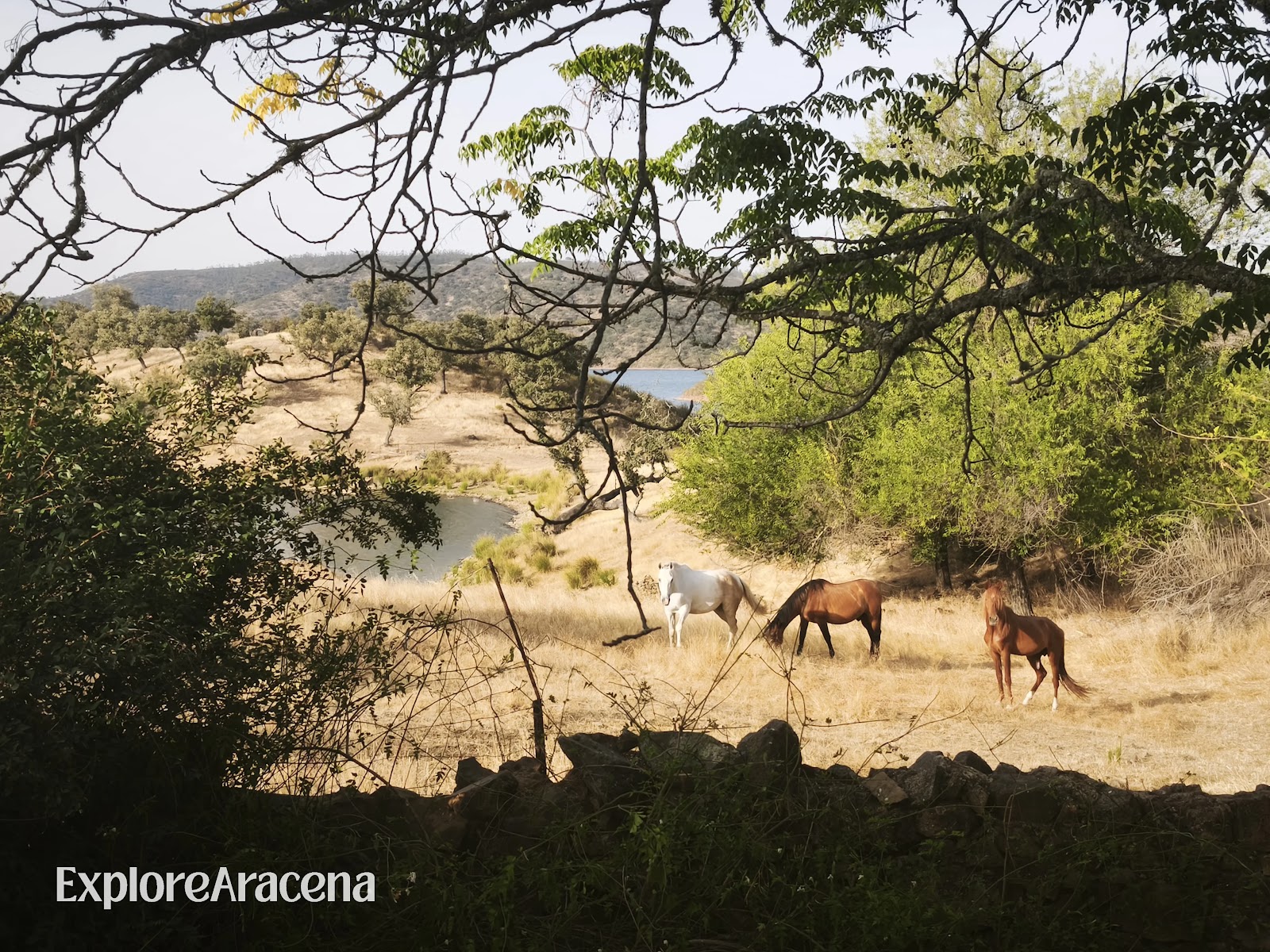
Horses graze beside the water in the Sierra de Aracena, where the landscape shifts with every season.
September
September sits in between, and we have a soft spot for it. The heat lingers, especially at the beginning of the month, but there’s a subtle change in the air. As the month progresses, the first autumn rains may arrive and the landscape begins its slow return.
Walking through the countryside in late September offers a sense of anticipation. The land may not be fully green yet, but you can see the first hints of change. You can feel the transition happening around you.
If you enjoy witnessing a place in motion, this is a fascinating time to visit. You’ll also find fewer crowds and warm weather, making September a strong option if you’re looking for balance.
October & November
If spring belongs to the landscape, autumn in Aracena belongs to flavour. Many locals will tell you this is the best time of year, and we understand why.
The forests begin to change colour, creating an extraordinary visual experience. The air cools, and everything shifts towards food and tradition. Mushroom season begins, chestnuts appear in markets, and daily life feels more rooted in the land.
This is also the beginning of the montanera, the acorn-feeding period that is central to the production of Jamón Ibérico. Across the dehesa, Iberian pigs roam beneath holm and cork oaks, feeding on acorns in a natural cycle that helps define the flavour and identity of the region.
In late October, the town traditionally hosts the Feria Regional del Jamón y del Cerdo Ibérico, bringing food, culture and community together in one place. Event dates vary from year to year, so confirm the current programme before planning a trip around it.
There’s something deeply satisfying about Aracena in autumn; a generosity that’s hard to describe but easy to feel. You don’t just visit, you take part in it.
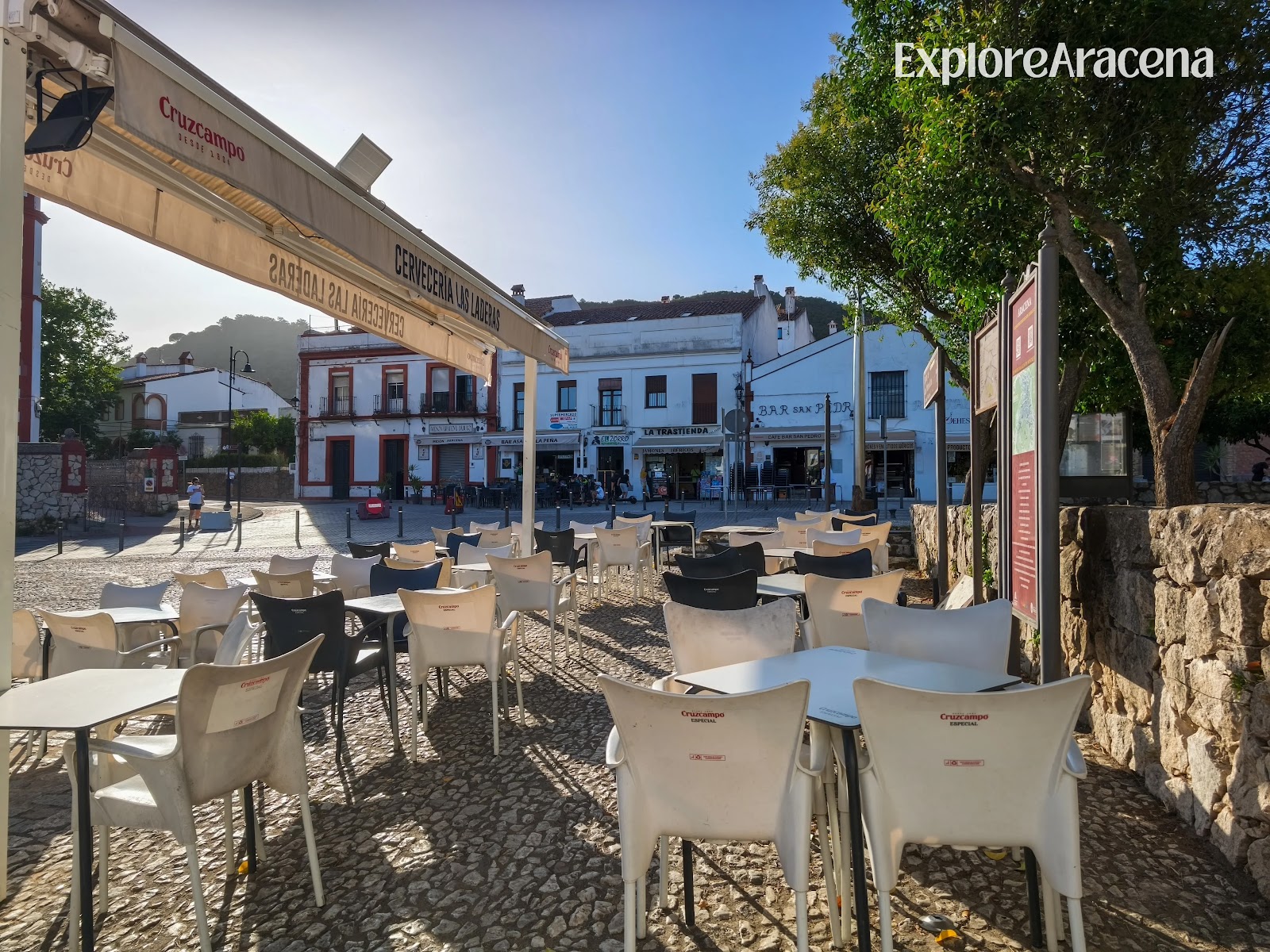
Sunset settles over a plaza in central Aracena before the tables fill and the town eases into the evening.
December
December in Aracena is understated and atmospheric. The town doesn’t try to compete with larger cities at Christmas, and that’s exactly its charm. Decorations and lights bring a festive rhythm without making the streets feel busy or overdone.
The plazas fill in the evenings, and small seasonal markets may appear with local crafts, sweets and produce. It feels local in the best sense of the word. Neighbours gather, children run between stalls, and the scent of roasted chestnuts drifts through the cold air.
Bars and restaurants lean into the season too. Menus become a little richer, a little more indulgent. This is the time for slow dinners, good wine and simply watching the town move around you.
If you’re travelling through Andalusia in winter, Aracena offers something the cities often don’t: space, calm and simplicity. It feels noticeably different from other Andalusian towns, especially during the quieter months.
The days may be shorter, but they are filled with beautiful intention. It’s not the most dynamic time to visit, but if you’re looking for a peaceful winter escape in southern Spain, it has a quiet charm of its own.
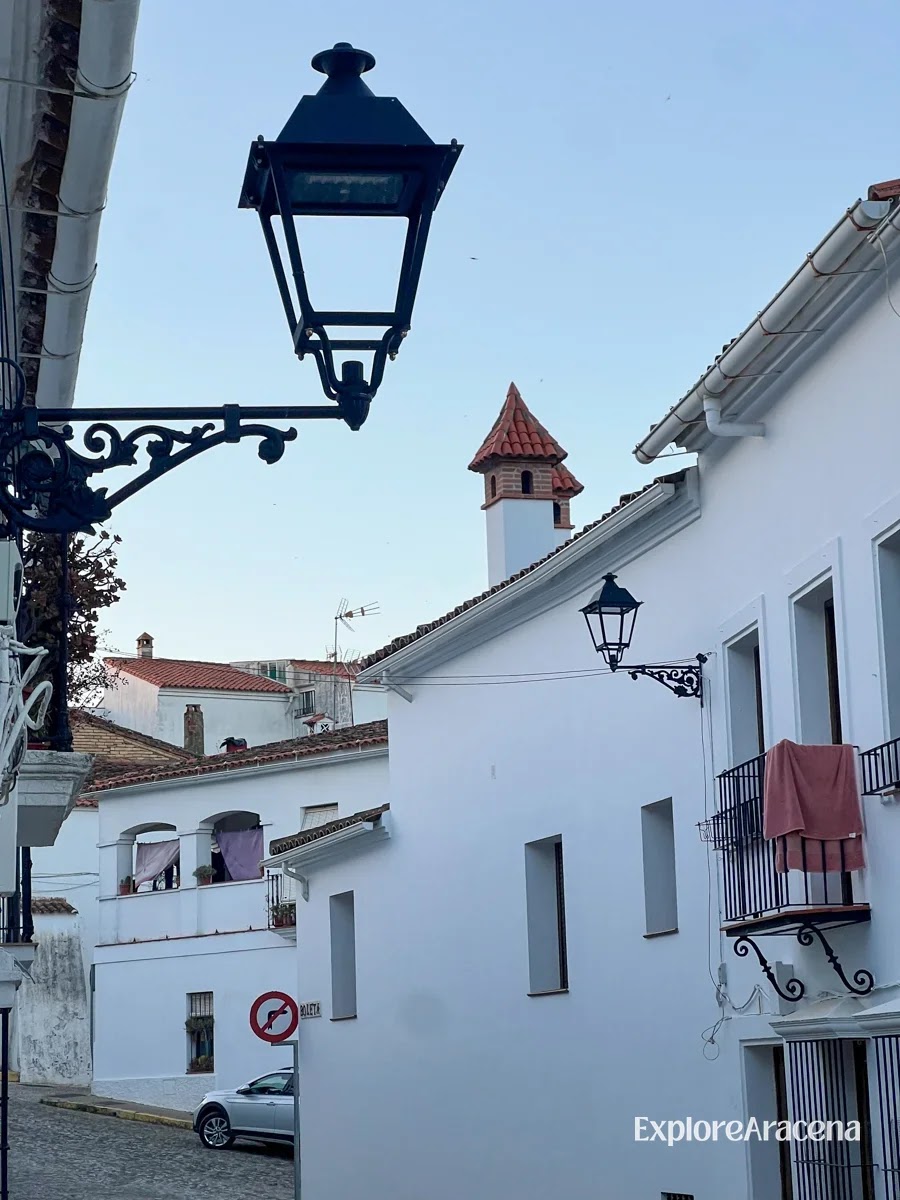
A traditional lantern hangs above one of Aracena’s quiet whitewashed streets.
The Honest Summary
If you’re planning when to visit Aracena, it really comes down to the kind of experience you’re looking for:
Spring (March–May): Come for green landscapes, wildflowers and the best hiking conditions. This is when everything feels open and easy to explore.
Summer (June–August): Come only if you’re comfortable with intense heat. Early mornings and evenings can still be lovely, but your days will need structure.
Early autumn (September): A transitional moment: warm, quieter than summer and full of subtle shifts in the landscape.
Autumn (October–November): Come for food, culture and depth. This is when Aracena feels most grounded and connected to its traditions.
Winter (December–February): Come for atmosphere: slower days, fewer visitors and a more local rhythm, especially around the festive season.
Every season offers a different version of Aracena. The question is less about what’s best, and more about what kind of traveller you are when you arrive.
Once you’ve chosen your season, the final questions are practical: how to get to Aracena and whether you want to explore without a car.
And if you're still weighing Aracena against other Andalusian towns before you commit, this comparison breaks down how it stacks up.