Aracena vs Other Andalusian Towns: Which Village Should You Visit?
Aracena vs Other Andalusian Towns: Which Village Should You Visit?
Trying to choose between Aracena and other famous Andalusian towns? This guide compares Aracena with Ronda, Grazalema, and Zahara de la Sierra to help you decide which village best fits your travel style.
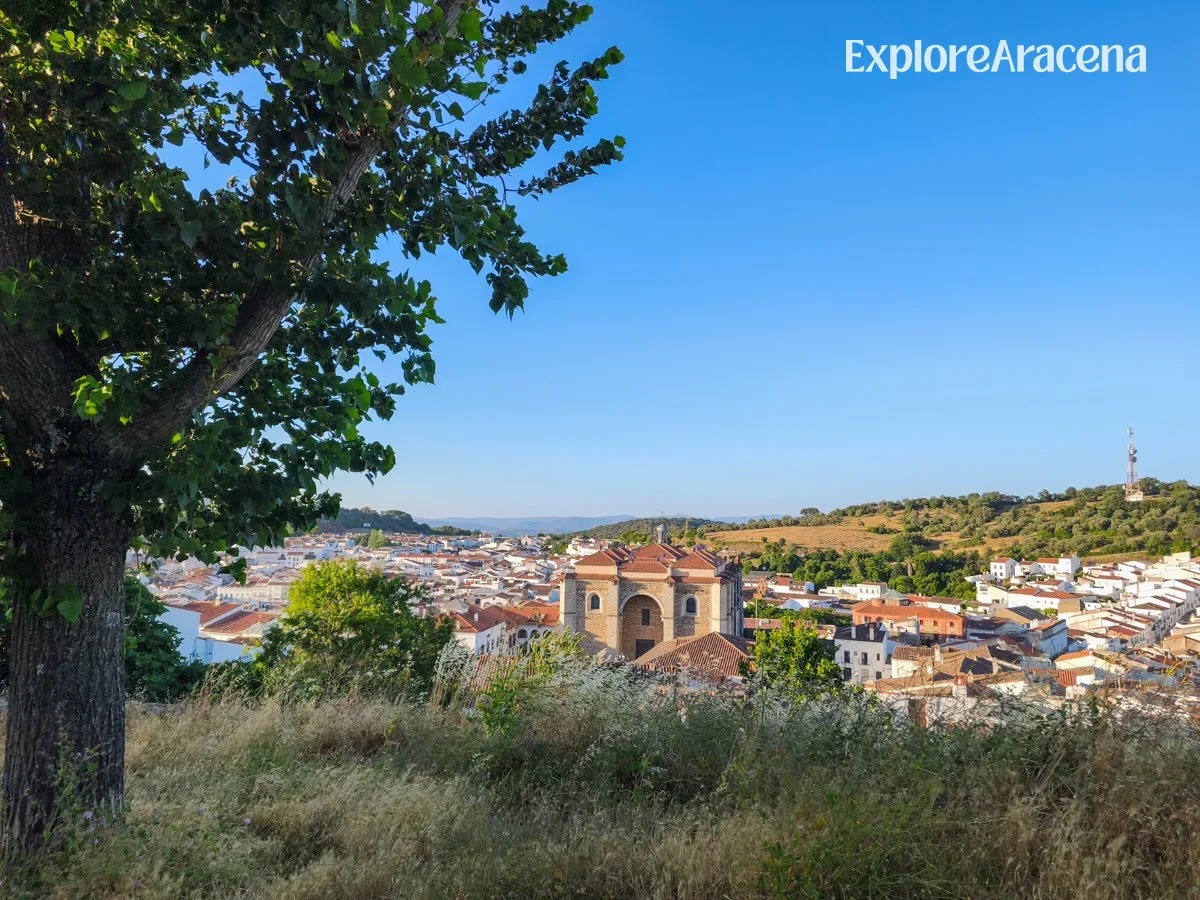
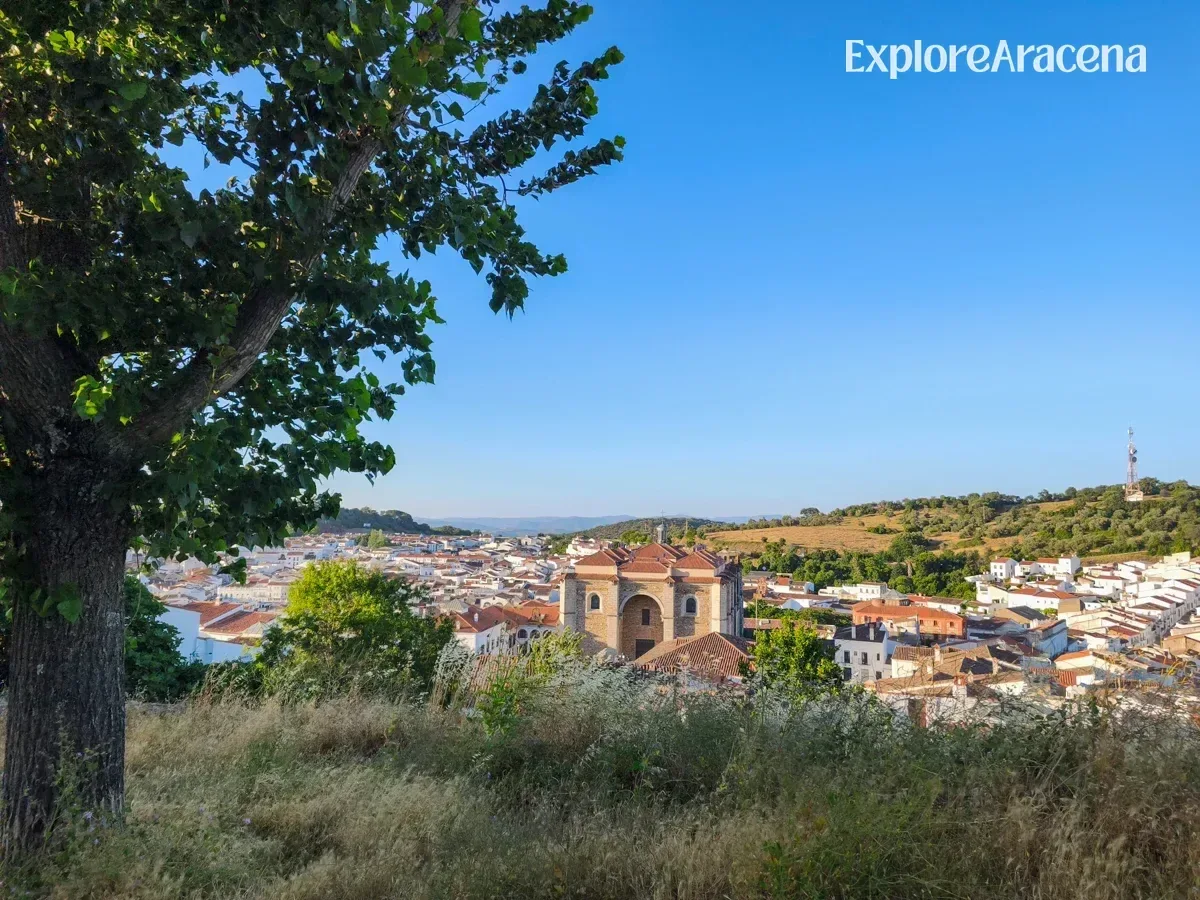
The walk to Aracena Castle rewards visitors with beautiful views over the town and the surrounding green landscape.
Why Compare Aracena to Other Andalusian Towns?
When people begin planning a trip through Andalusia, the same destinations tend to appear first:
Ronda.
Grazalema.
Zahara de la Sierra.
Frigiliana.
They are often described as some of the most beautiful towns in southern Spain, and after visiting several of them ourselves, that reputation is well deserved. Their beauty is undeniable, and they’re towns near major cities like Seville worth visiting.
What many international travellers don’t realise, however, is that a town named Aracena tells a different story to its visitors that feels like unlocking a secret. It isn’t simply a photogenic white village; Aracena provides a more meaningful experience. When you think of hidden towns in Andalusia, this is most definitely one of them.
It’s a place where landscape, gastronomy, and local life weave together rather than compete for attention. The town sits in the wooded hills of the Sierra de Aracena, surrounded by oak forests and a constellation of small rural villages scattered throughout the valleys.
Instead of a scenic stop on a road trip, Aracena feels more like a destination where you slow down and stay a while.
Understanding the subtle differences between these towns can help you choose not just the most beautiful destination, but the one that fits the rhythm of travel you’re looking for. We’re here to help answer the question: which Andalusian town should you visit?
Quick Comparison: Aracena vs Other Andalusian Towns
Each town has its own strengths. The key question is what kind of experience you are looking for.
Aracena vs Ronda
Few towns in Spain are as instantly recognisable as Ronda.
The town rises dramatically above a deep gorge carved by the Guadalevín River, its two halves joined by the famous Puente Nuevo. The first time you stand on that bridge, looking out across the vast canyon and the white buildings clinging to the cliffs, it becomes immediately clear why Ronda appears on so many Andalusian travel itineraries.
But popularity has its trade-offs.
During the peak travel months, buses arrive steadily from the Costa del Sol and nearby cities. Visitors spill into the historic centre, cameras in hand, following the same viewpoints that have been admired for centuries. The town remains undeniably beautiful, but it can feel busy and staged. It is notably catered towards tourism rather than an authentic local experience.
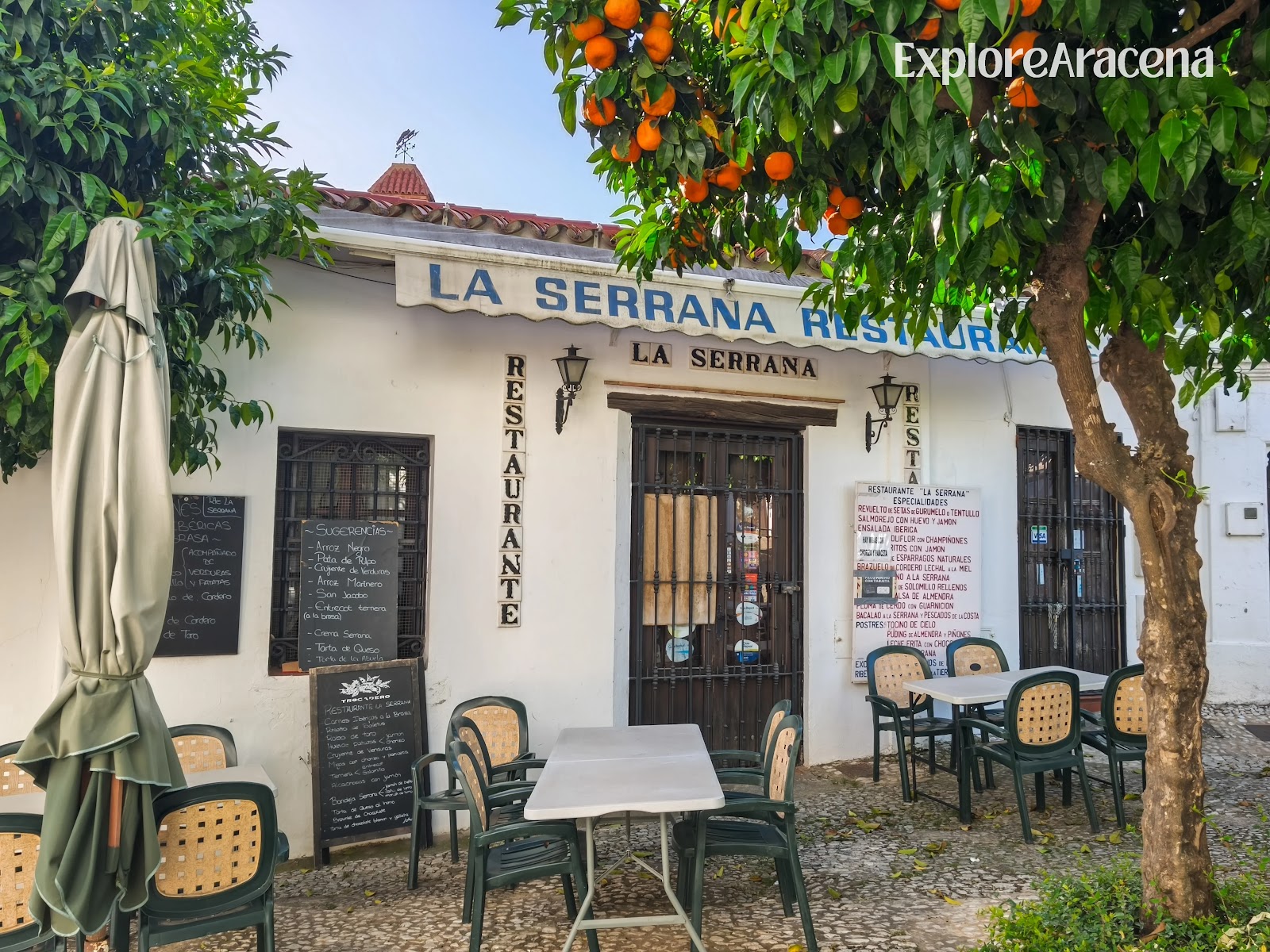
Orange trees and cobblestone streets surround La Serrana, a charming restaurant near the Gruta de las Maravillas.
If you’re looking for something quieter, this is where Aracena begins to feel different. It’s an alternative option instead of crowded Andalusian towns.
Instead of dramatic cliffs and constant movement, the town unfolds with steady calm. The people are friendly and offer smiles with “hello’s” on the street, inviting you into their stores and eager to share their stories.
Among the wooded hills of the Sierra de Aracena, oak forests stretch across the landscape and narrow roads wind through small rural villages. The nature is captivating, and sighs of tranquilty often escape at the scenery.
Life here moves at its own pace; it’s easy to find yourself contemplating the construct of time and enjoying the slower rhythm of the town.
What Aracena offers is a different kind of richness:
forested mountain landscapes
hiking routes through oak woodlands
a slower, more local rhythm
a deep food culture centred around Jamón Ibérico
Beneath the town lies one of its most remarkable secrets: the Gruta de las Maravillas, an extraordinary cave system you can visit on a guided tour, filled with underground lakes and shimmering stone formations.
If your priority is iconic architecture and dramatic scenery, Ronda is difficult to surpass.
However, if you’re drawn to nature, food, and places where travel feels less hurried, Aracena often feels less like a stop on the journey and more like somewhere you truly arrive. It is the epitome of rural Andalusia travel.
Aracena vs Grazalema
When you first arrive in Grazalema, you immediately understood why it’s considered one of the most picturesque white villages in Andalusia.
Set within the dramatic mountains of the Sierra de Grazalema Natural Park, the village is a vision of whitewashed streets, flower-filled balconies, and traditional Andalusian architecture. Everything feels beautifully preserved, almost suspended in time.
It’s also quite small.
Walking through Grazalema often felt like wandering through a perfectly composed postcard: charming, photogenic, and peaceful.
Aracena is beautiful as well, yet different. For one thing, it is one of the authentic villages in Andalusia and functions more like a working town than a purely scenic village. Spending time here, you notice more everyday life: bakeries opening in the morning, locals meeting for coffee, restaurants that felt designed for the community as much as for visitors.
The landscape can also be surprising, different from expectations. While Grazalema is surrounded by the dramatic limestone peaks of the Sierra de Grazalema Natural Park, the countryside around Aracena, in the Sierra de Aracena, feels greener, softer, and more wooded. Rolling hills of oak forest stretch in every direction. It’s a beautiful pastoral site to behold.
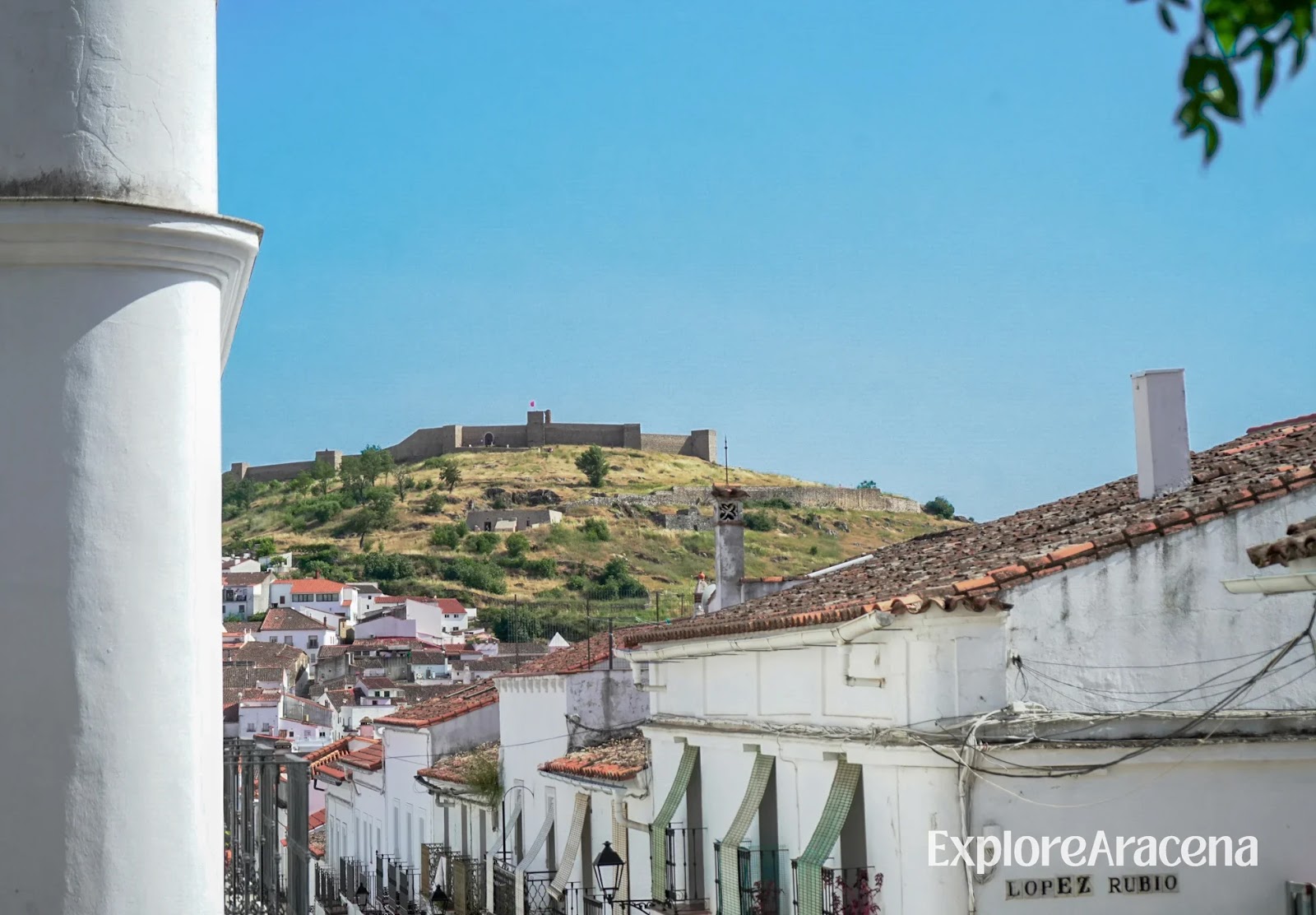
Aracena Castle rises above the town, visible between its traditional whitewashed buildings and shaded windows.
The landscape is impressive, but we cannot overlook the importance that food plays in this community.
Aracena has a particularly strong gastronomic identity thanks to its deep connection to Jamón Ibérico. It’s not just something you taste here, it’s something woven into the culture and soul of the region.
If your main goal is classic white-village photography, Grazalema truly excels.
If you enjoy lingering somewhere for a few days exploring the countryside, discovering local food, and getting a true sense of everyday Andalusian life, then Aracena offers a little more space to settle in.
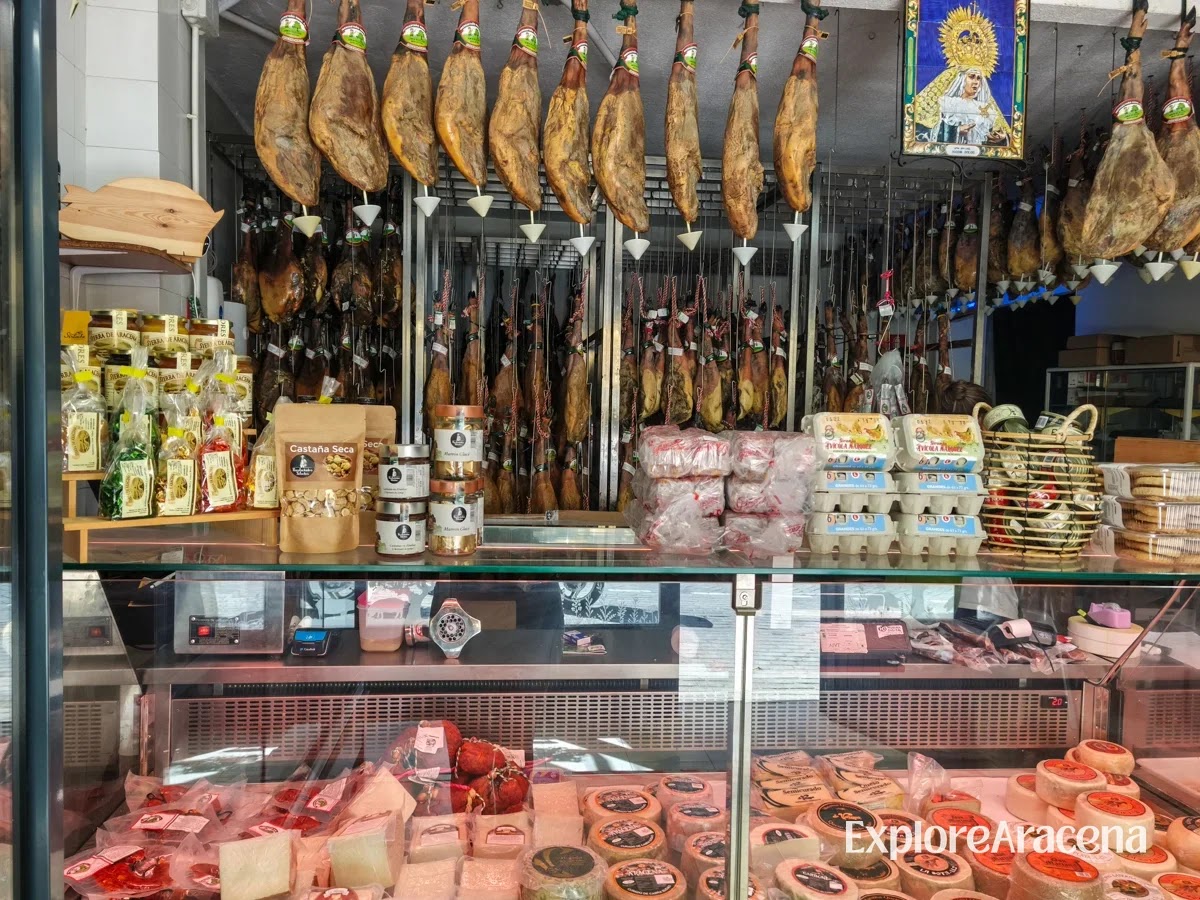
A local shop showcases some of the Sierra de Aracena’s most beloved products, including jamón ibérico, cheese and preserves.
Aracena vs Zahara de la Sierra
Zahara de la Sierra is frequently listed among the most beautiful and best villages in Spain.
The town rises steeply above the shimmering waters of the Embalse de Zahara-El Gastor, a turquoise reservoir that almost looks enchanting against the surrounding mountains. Above the village, a small fortress called the Castillo de Zahara de la Sierra sits watchfully on the hilltop.
Climbing through the narrow streets toward the castle, the views unfold in every direction. From the upper lanes, the landscape opens into one of the most striking panoramas in Andalusia.
It’s genuinely spectacular, but Zahara is also remarkably small.
Many travellers seem to arrive, wander through the village, climb to the viewpoint, and continue on their way along the famous route of the Pueblos Blancos.
Aracena offers a more layered experience.
Here you’ll find:
a historic castle hill overlooking the rooftops
a lively town centre where locals gather
restaurants, bakeries, and local markets
walking access to countryside trails
What we find especially appealing is how easily the town connects to the surrounding countryside. From Aracena, it’s simple to walk or drive out into the rolling landscapes of the Sierra de Aracena.
Instead of being a brief scenic stop, Aracena works well as a base for exploring the wider Sierra region at a slower pace.
Why Aracena Feels Different from Many Andalusian Villages
Many Andalusian villages are undeniably beautiful, but many of them are also quite small.
They’re perfect for short visits, the kind where you wander through whitewashed streets for an hour or two, admire a viewpoint, take a few photos, and then continue on along the road. These towns are ideal for scenic drives through the countryside, where each stop offers a different postcard view.
What is striking about Aracena, though, is how complete it feels as a destination.
Rather than existing as a quick stop between larger cities, the town offers enough depth that you’ll find yourself naturally slowing down and wanting to stay longer. There are layers to discover here, and they reveal themselves gradually.
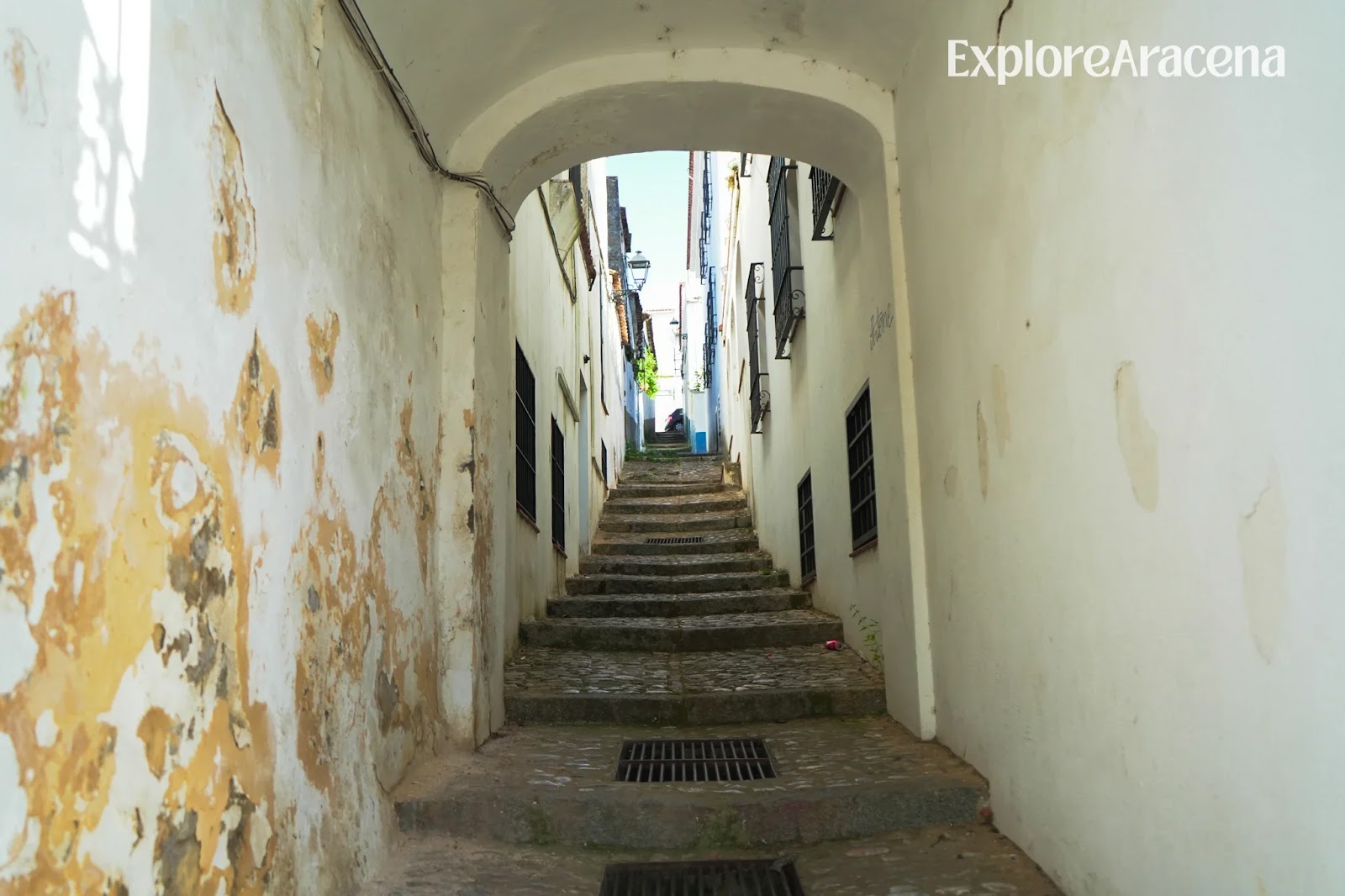
Hidden stairways and sloping streets are part of the charm of exploring Aracena on foot.
Within a relatively small area, Aracena offers an unusual variety of experiences:
Exploring the underground lakes and vast chambers of the Gruta de las Maravillas
Walking and hiking through the oak forests of the Sierra de Aracena
Discovering one of Spain’s most respected regions for producing Jamón Ibérico
Visiting historic landmarks like the hilltop Castillo de Aracena and the nearby Iglesia del Castillo de Aracena
Spending time in a lively town centre filled with local bakeries, cafés, markets, and restaurants
Because of this combination of nature, food, history, and everyday local life, Aracena feels less like a brief sightseeing stop and more like somewhere you can truly settle in and get to know more intimately for a few days. It’s one of the best quiet towns in Andalusia.
Unlike some smaller villages that grow quiet once the day-trippers leave, Aracena maintains a steady rhythm throughout the year. Locals gather in cafés, bakeries open early in the morning, and markets continue to serve the surrounding villages.
For travellers who enjoy slower exploration, wandering through landscapes, lingering over meals, and discovering places beyond the obvious viewpoints, Aracena offers a deeper and more immersive experience of Andalusia.
Which Andalusian Town Should You Choose?
In our experience, the best choice really depends on the kind of journey you’re hoping to have.
Each of these towns offers something memorable, but they each tell a slightly different story about Andalusia.
Choose Ronda if you’re looking for dramatic landscapes and one of the region’s most iconic landmarks, the Puente Nuevo spanning the deep gorge of the Guadalevín River.
Choose Grazalema if you’re drawn to classic white-village scenery set against the rugged mountains of the Sierra de Grazalema Natural Park.
Choose Zahara de la Sierra if you want one of the most striking viewpoints in Andalusia, overlooking the turquoise waters of the Embalse de Zahara-El Gastor.
Choose Aracena if you’re looking for a deeper rural experience built around nature, gastronomy, and everyday local life in the hills of the Sierra de Aracena.
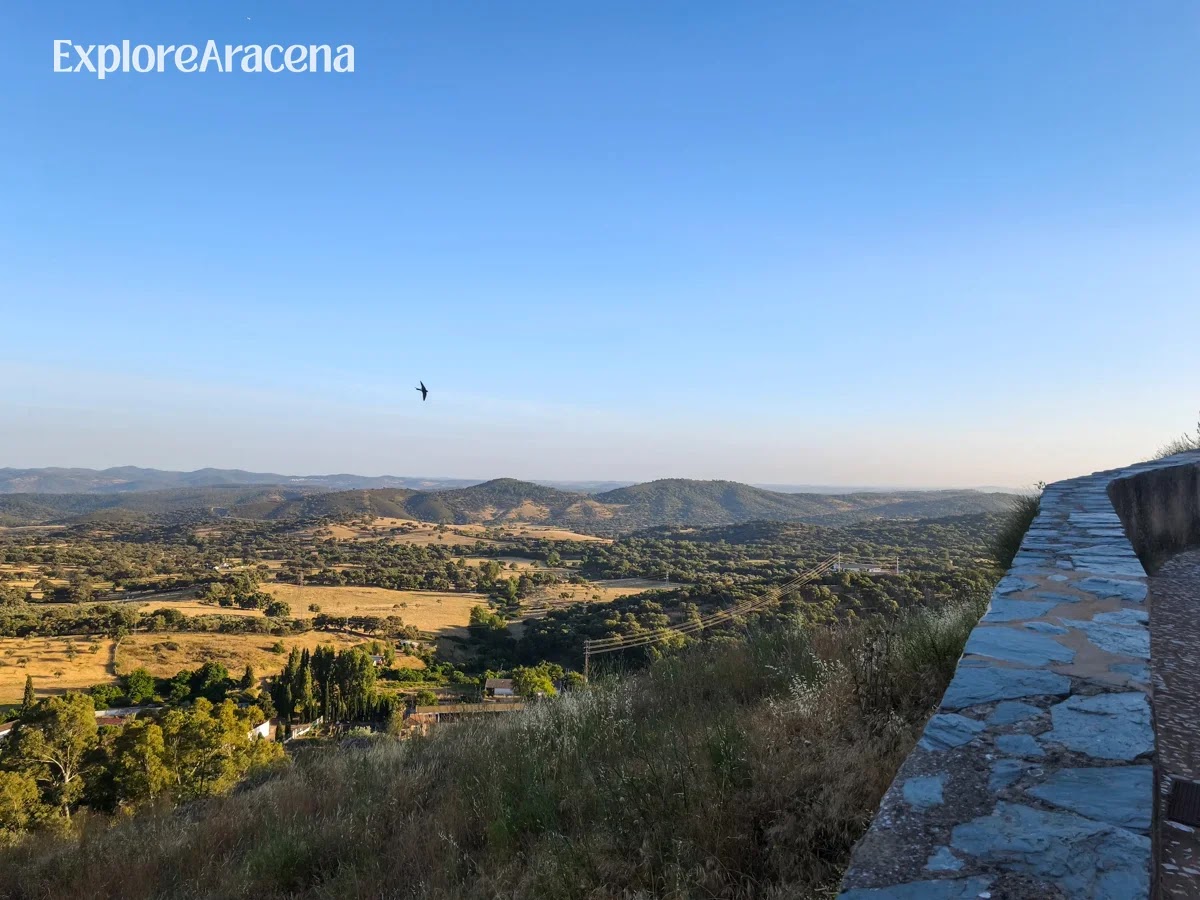
From Aracena Castle, the view stretches across the peaceful hills and natural landscapes of the surrounding sierra.
For many travellers, the most rewarding approach is to visit several of these towns on the same trip. Andalusia is a region where landscapes shift quickly: dramatic cliffs, mountain villages, reservoirs, and forested hills can all appear within a few hours’ drive.
If you’re searching for a place where you can stay a little longer, somewhere that invites you to slow down and settle into the rhythm of the countryside, Aracena stands out.
Final Thoughts
So, is Aracena worth visiting?
Andalusia is filled with beautiful towns, each with its own atmosphere and sense of place.
Ronda impresses with drama. Grazalema with mountain beauty. Zahara de la Sierra with extraordinary views.
Our time in Aracena revealed something a little quieter, but no less memorable.
Here, caves, forests, and centuries-old food traditions come together in a way that feels deeply rooted in the surrounding landscape. You can descend into the underground world of the Gruta de las Maravillas, wander through oak forests, and taste locally produced Jamón Ibérico all within the same small corner of the region.
For travellers exploring western Andalusia, or building a slower, more immersive itinerary through southern Spain, it’s a town well worth paying attention to. It holds a special place in our hearts and we recommend adding it to the itinerary.